

Средь оплывших свечей и вечерних молитв; Средь военных трофеев и мирных костров; Жили книжные дети,не знавшие битв; Изнывая от мелких своих катастроф В.Высоцкий
Joined January 2010
- Tweets 156,840
- Following 2,496
- Followers 36,004
- Likes 8,484
23,342 Photos and videos



Pinned Tweet

18 Mar 2024
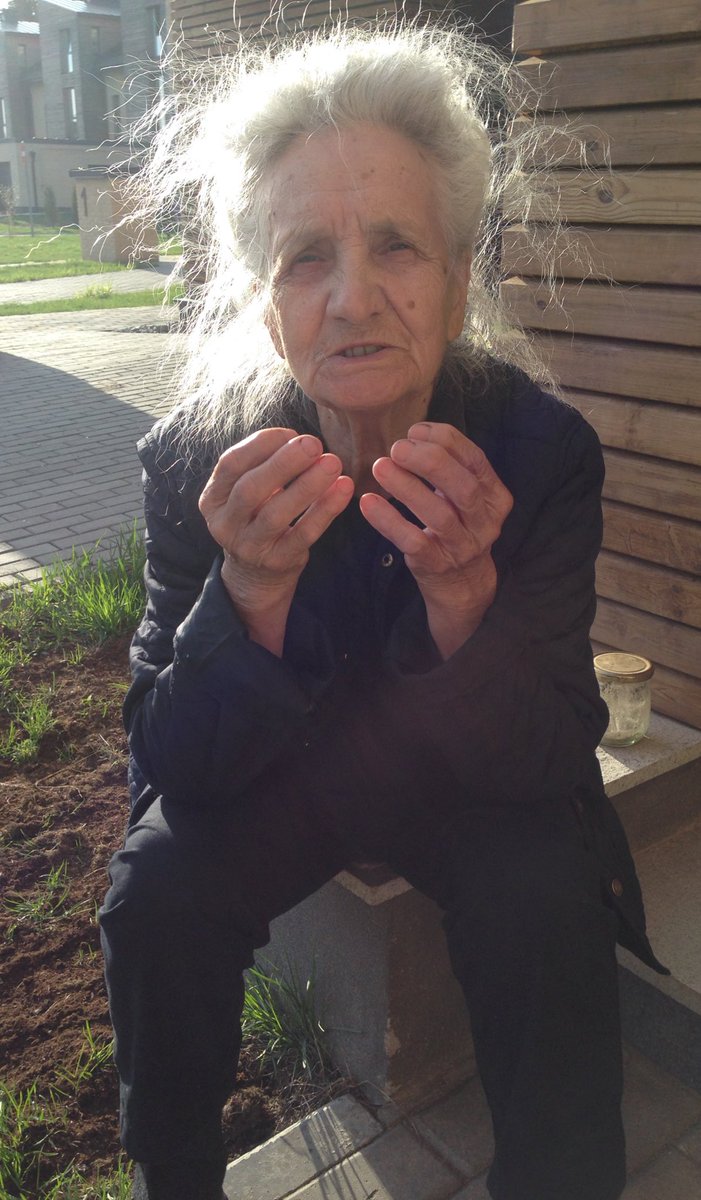
🔥Мамуля, пережила #блокаду, осталась круглой сиротой. Память ей и всем людям ленинградским - моей бабушке Дарье, умершей там от голода в январе 1942, и деду красноармейцу Ивану, павшему под Тосно (рубеж Ям-Ижоры) в марте1942-го.#Ленинград #Мама #Память #Блокада #ЖивиИпомни🙏🏻🙏🏻🙏🏻

295
38
148
28,658
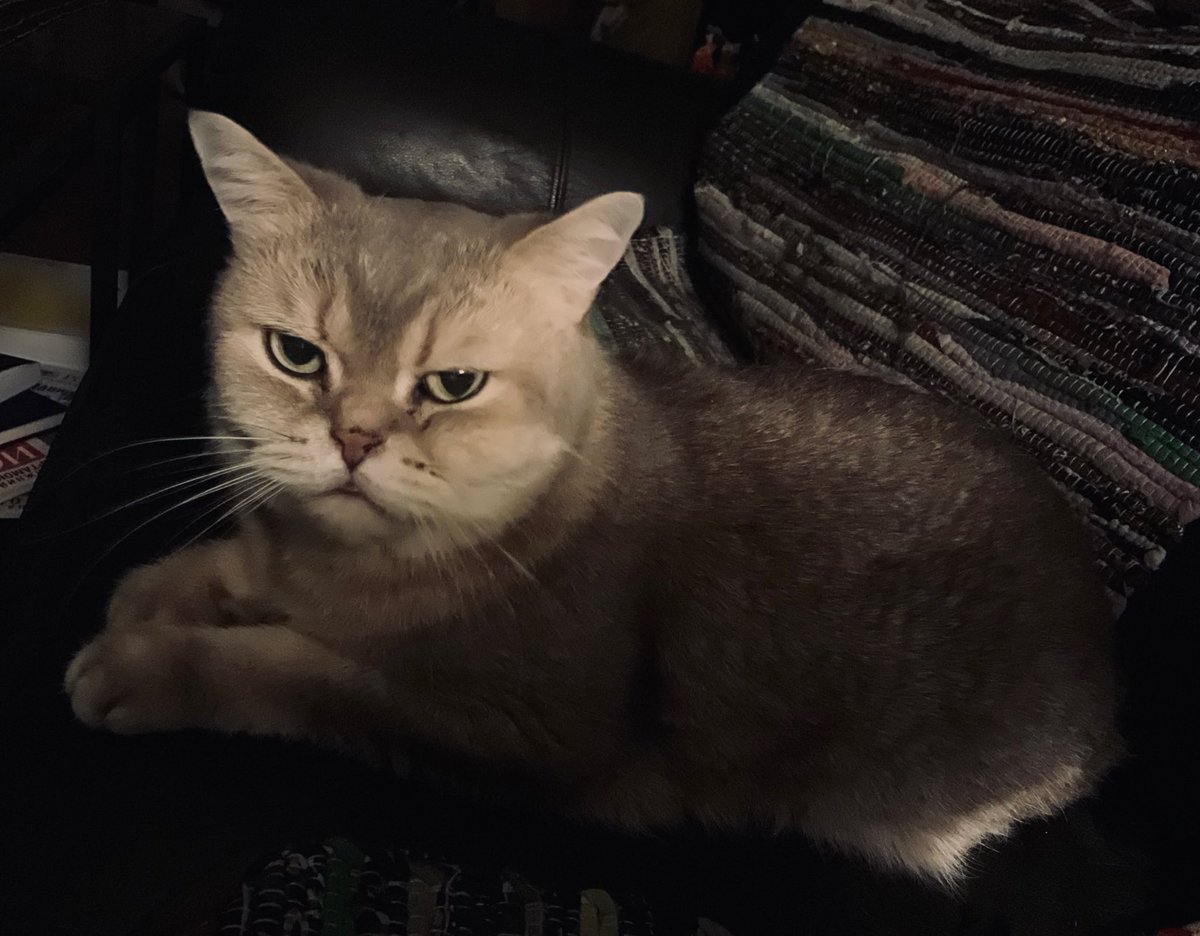
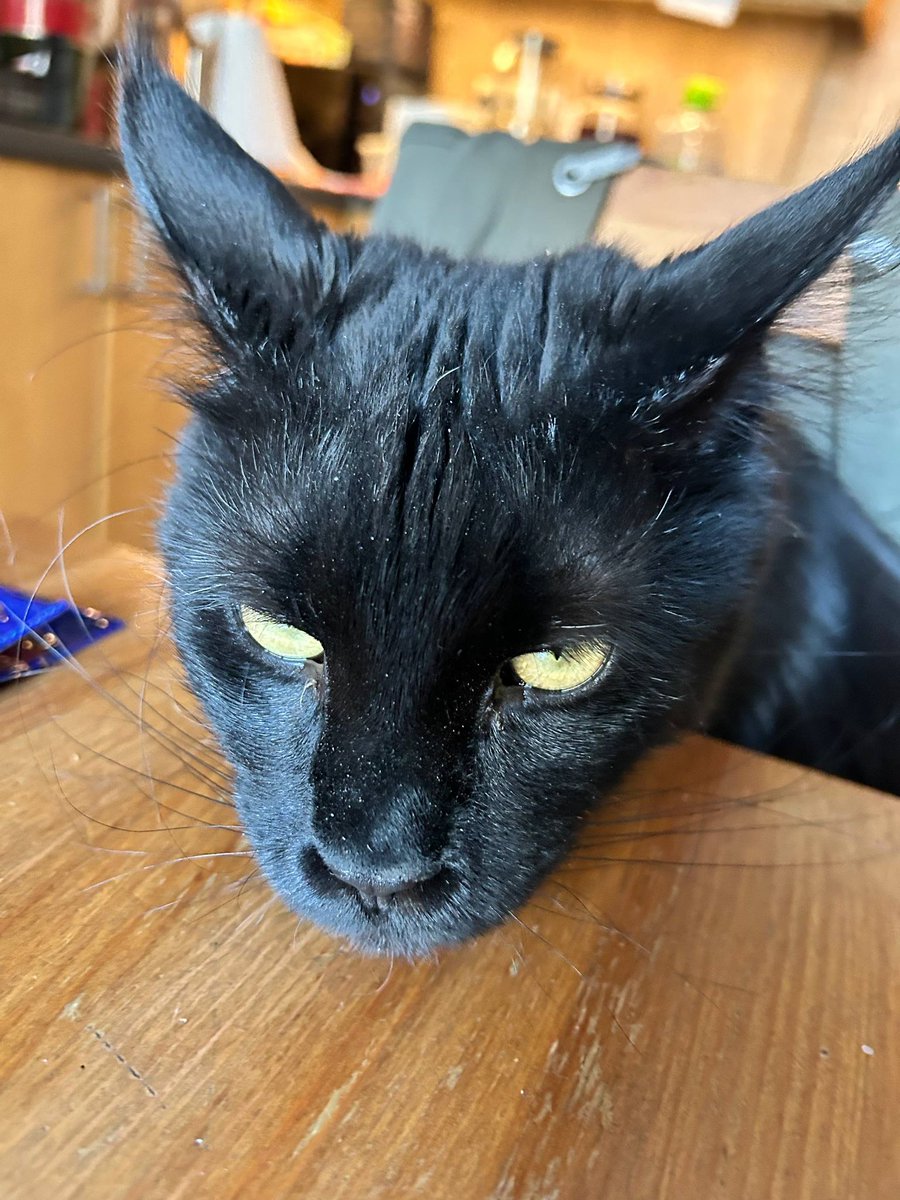
Предмартовские котики


А что у вас тут вкусненького?
А что не делитесь😼?


18
АНДРЕЙ ИЛЬНИЦКИЙ /неофициальный блог/ retweeted

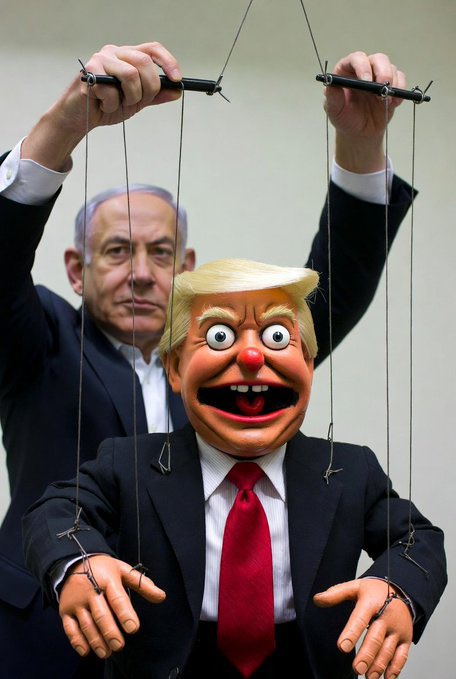
🇮🇱🇺🇸 Netanyahu: Were it not for the Jews, there would be nothing called the United States of America. We brought you into this world, and we can take you out of it.
1,642
2,668
8,141
1,674,393
АНДРЕЙ ИЛЬНИЦКИЙ /неофициальный блог/ retweeted

12h
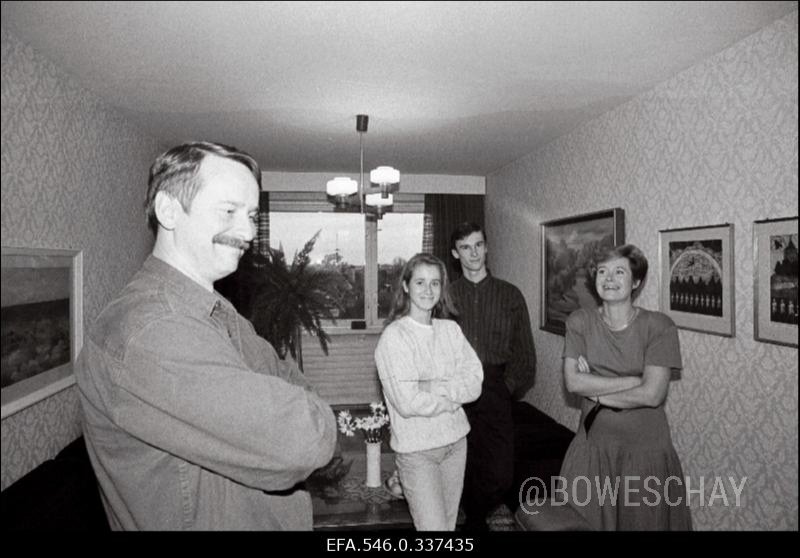
Meet the EU's top diplomat, Russia hating Kaja Kallas' father- Siim Kallas
He held several elite and profitable positions within the Soviet system, serving as a high ranking member of the Communist Party ( membership was voluntary) from 1972 to 1990.
His career included roles as a specialist in the Ministry of Finance of the Estonian SSR, director of the republic's State Savings Bank, and deputy editor of the Communist Party newspaper Rahva Hääl. He went on to become Prime minister.
Kaja, likes to pretend she suffered terribly under the Soviet yoke, but she lived in a large apartment, had a nice car and plenty of perks thanks to her Daddies lucrative position.
Much like her husband, who's company continued to profit by trading with Russia long after the Russians intervention on Ukraine, Kaja likes to play pretend when it comes to her outrage with Russia.
She's actually done very well out of it. Shes a fraud.
84
781
2,167
40,256
АНДРЕЙ ИЛЬНИЦКИЙ /неофициальный блог/ retweeted
You @BorisJohnson👹 , vile demon and instigator, have already helped start a big war in Ukraine! And you want to start another one... Burn in Hell, you scumbag👎🏻
Feb 21

Iran may be months away from getting a nuclear bomb. But by refusing to let Trump use UK air bases for potential strikes, the PM is effectively backing the mullahs...whose side is Starmer on?
mol.im/a/15578857
2
3
178
АНДРЕЙ ИЛЬНИЦКИЙ /неофициальный блог/ retweeted
А что у вас тут вкусненького?
А что не делитесь😼?
5
2
10
237
АНДРЕЙ ИЛЬНИЦКИЙ /неофициальный блог/ retweeted

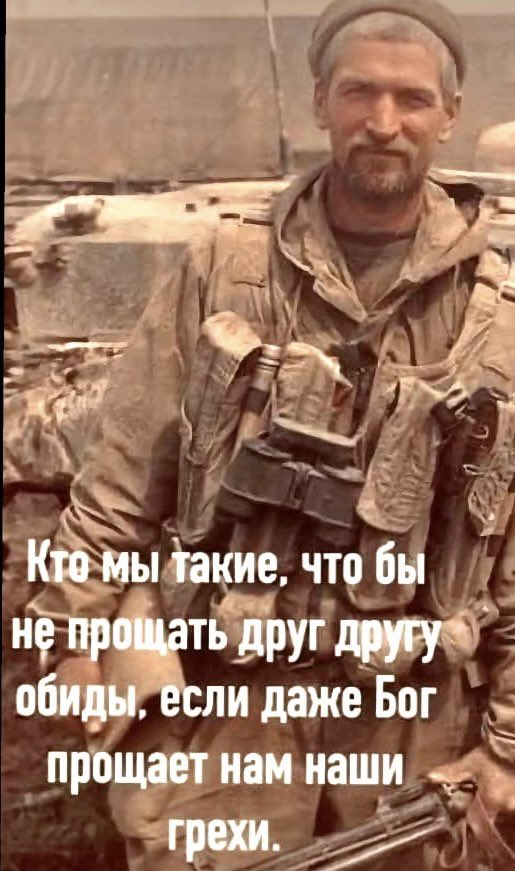
Бог простил нам всё… и Слава Богу🙏🏻🙏🏻🙏🏻
1
3
37

АНДРЕЙ ИЛЬНИЦКИЙ /неофициальный блог/ retweeted
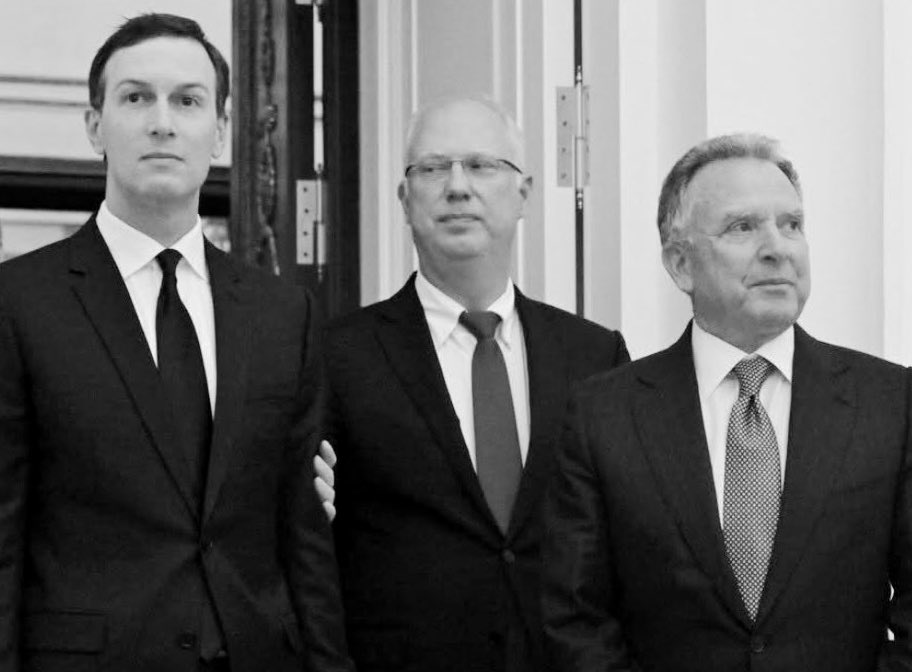
Anything that is called #Ukraine will be anti-Russia. Karma/fate of the name. And anything that is called a #peacedeal for UA will ultimately turn out to be a deception for Russia.
Therefore, there should be no Ukraine!
Especially for: @kadmitriev @SEPeaceMissions @jaredkushner

2
7
15
650
АНДРЕЙ ИЛЬНИЦКИЙ /неофициальный блог/ retweeted
Так не слушайте, но просто посмотрите…
Cмешон #Пашинян, суетливо вылезающий из-за спины Вэнса подобострастно за локоток его прихватывающий, … да и #Алиев, весь на пафосе ловящий улыбку и взгляды Кушнера с Трампом, - не лучше…
Вассалы и гегемон🥴
Feb 19

смешно слушать про аллиева и пашиняна. это разные вселенные. Армения пусть присасывается.
3
10
24
2,303
АНДРЕЙ ИЛЬНИЦКИЙ /неофициальный блог/ retweeted

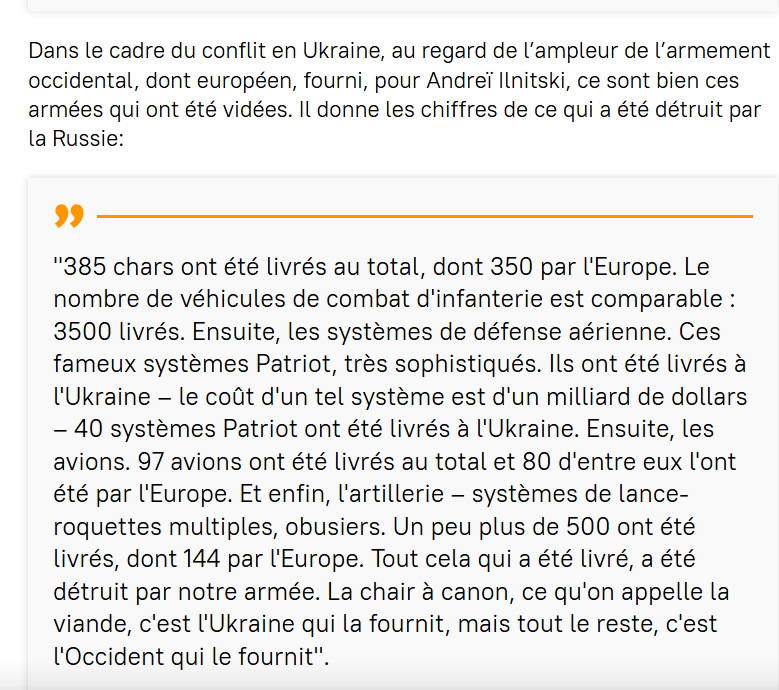
#SansDetour Andreï Ilnitski @amicableru donne le détail de ce qui a été détruit par #Russie sur le front ukrainien - ce sont les armées atlantistes 🇪🇺🇺🇸
Ecoutez l'interview ici - fr.sputniknews.africa/202602…
2
8
15
292

All the time western mainstream media keeps telling me how the war in Ukraine is "unprovoked"
But then i see this video, whereby EU politicians are stirring up hatred at the Maidan Square in 2014.
Then I realize I have been been swallowing a fabricated, manipulative load of bullshit the whole time.
171
1,929
4,811
72,689
АНДРЕЙ ИЛЬНИЦКИЙ /неофициальный блог/ retweeted

Feb 21
On January 7, 1943, Nikola Tesla died alone in Room 3327 of the Hotel New Yorker. He was 86 years old. A maid found him two days later after he had left a “do not disturb” sign on his door. The official cause was coronary thrombosis. But the deeper truth was quieter — years of isolation, poverty, and a world that had moved on without the man who helped power it.
This was the inventor of alternating current, the system that still runs through our homes today. He pioneered wireless transmission, radio technology, and electric motors. He held hundreds of patents and imagined ideas — like wireless communication and renewable energy — long before they became reality. Yet by the end of his life, he was nearly penniless.
In his final years, Tesla lived simply. He survived mostly on milk, bread, honey, and vegetable juice. Every day he walked to nearby parks to feed pigeons, especially one white pigeon he loved deeply. He once said he loved her as a man loves a woman. When she died, something in him seemed to fade too.
There was a time when Tesla dazzled New York society, lighting bulbs with his bare hands and creating artificial lightning in his laboratory. Investors once backed him. Crowds once admired him. But as his ideas grew more ambitious — especially his dream of free wireless energy for the world — funding disappeared. He became known more as an eccentric than a genius.
And yet, when he died, the world paused. Thousands attended his funeral. Leaders and scientists sent tributes. Years later, the Supreme Court recognized his priority in radio patents. History slowly corrected itself. The world he electrified had not truly forgotten him — it had simply taken time to understand him.
Today, his name lives on in science, technology, and even in companies that shape the modern age. Tesla died alone in a hotel room, feeding pigeons while the current he created hummed through cities. He did not die forgotten. He died having changed the world — and that legacy still shines.
It makes you wonder how many visionaries we ignore while they’re still alive. How many brilliant minds are dismissed as “too different” or “too ahead of their time” until it’s too late?
What do you think — does the world truly value its geniuses, or only recognize them after they’re gone?
156
631
3,695
1,233,819
Теснит потихоньку наглый янки старика брита …
16h

Красавчик! Такому не откажешь! 😂💯
1
1
4
133
АНДРЕЙ ИЛЬНИЦКИЙ /неофициальный блог/ retweeted

12 лет назад бойцы спецназа "Беркут" вернулись домой, побывав в аду киевского майдана. В них стреляли, предавали, но они выстояли и встали на защиту мирных жителей!
На видео возвращение бойцов в свою часть в Севастополе. Люди встречают своих Героев! 🇷🇺
3
132
617
24,578
АНДРЕЙ ИЛЬНИЦКИЙ /неофициальный блог/ retweeted

Feb 21
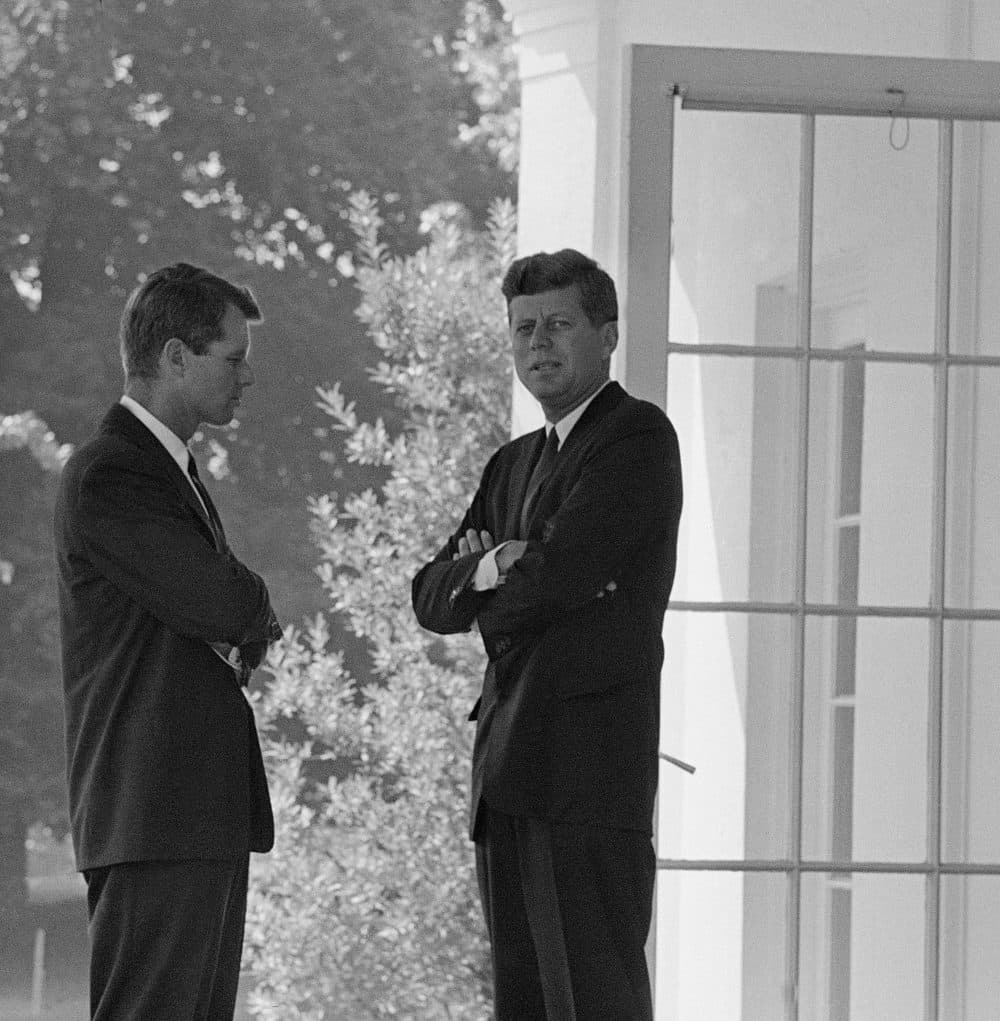
Kennedy brothers who tried to change the system of USA- shut down CIA and federal reserve and both got assassinat**
160
4,222
21,786
220,971
АНДРЕЙ ИЛЬНИЦКИЙ /неофициальный блог/ retweeted

Наш мир не перешёл на новый уровень развития, к сожалению, так как мы остались в средневековье, тут уважают тех кто этот мир держит за одно место, а не подтирает за собой красные линии, все пресмыкающиеся прибиваются к сильнейшему. 🤷♂️
1
1
74
АНДРЕЙ ИЛЬНИЦКИЙ /неофициальный блог/ retweeted

Feb 20
Scott Ritter on US Foreign Policy, CIA & What’s REALLY Happening in Vene... youtu.be/6ZagJb5RwMA?si=06Yl… via @YouTube

62
195
17,715
АНДРЕЙ ИЛЬНИЦКИЙ /неофициальный блог/ retweeted

Feb 20
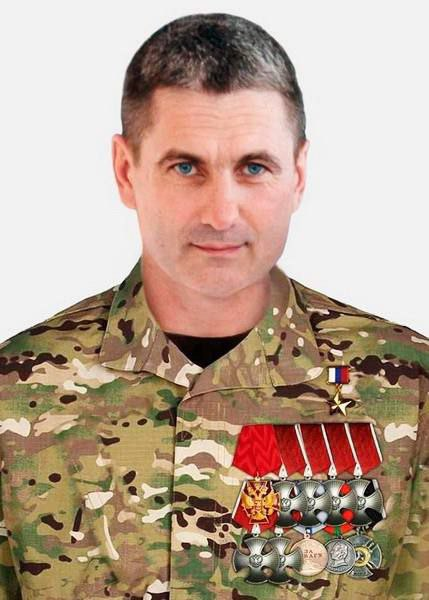
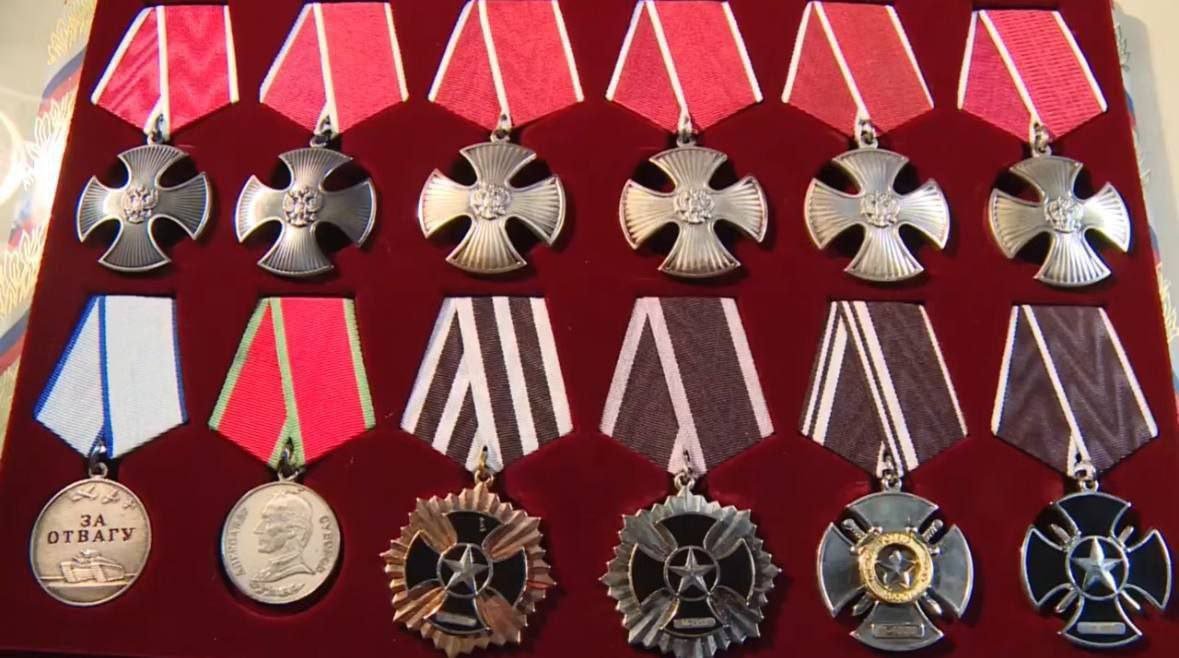
Памяти командира: жизненный путь Героя России Михаила Приходько.
Возглавлявший 9 штурмовой отряд ЧВК «Вагнер», вошел в историю как пример беспримерного мужества и профессионализма.
Его жизненный путь завершился 12 октября 2024 гв Мали, где он до последнего вздоха исполнял свой
20
75
270
6,723
АНДРЕЙ ИЛЬНИЦКИЙ /неофициальный блог/ retweeted

Feb 21
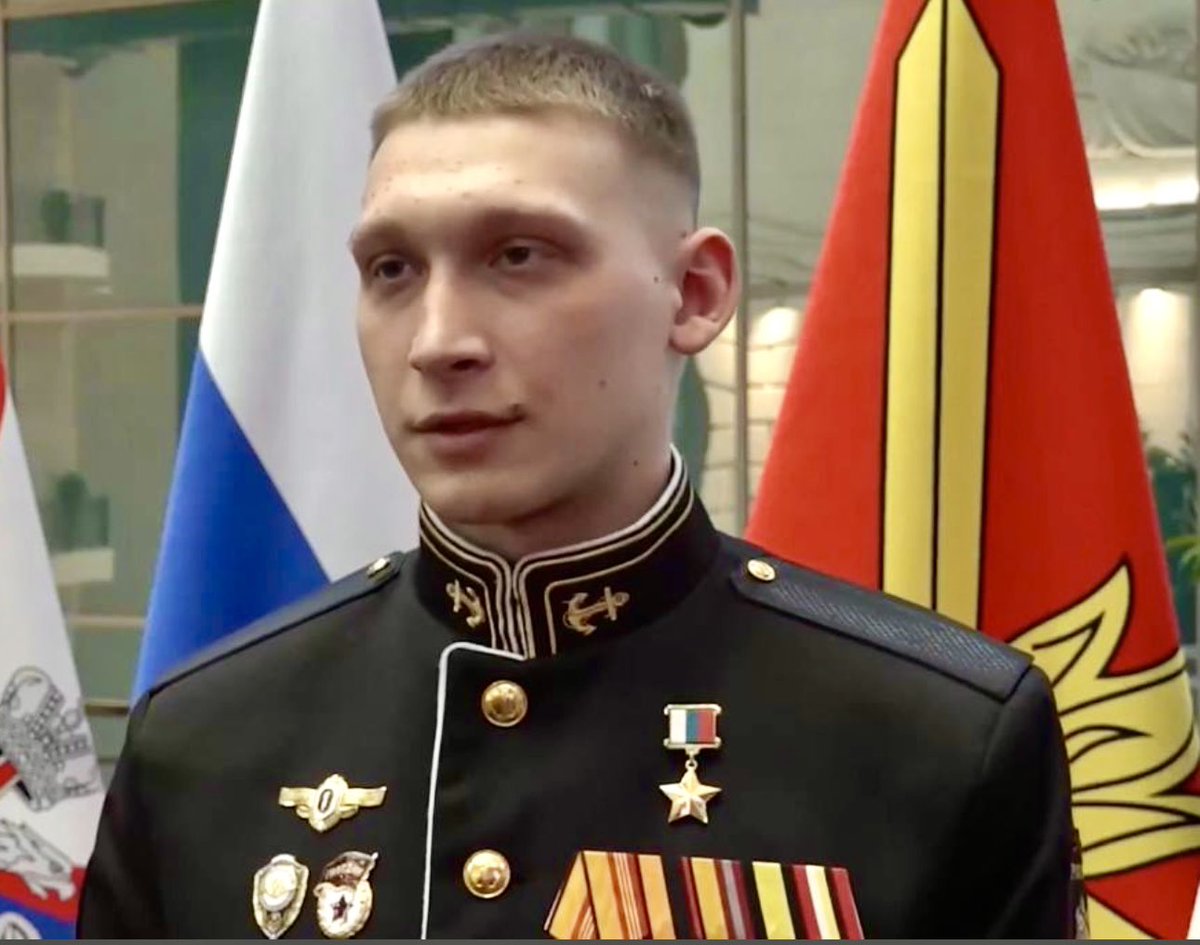
На Курском направлении он проявил настоящую воинскую доблесть. Его штурмовикам удалось взять восемь вражеских укрепов, а затем удерживать их в течение 52-х дней
Вчера Сергей был награждён медалью «Золотая Звезда»
"Звание Героя России – это заслуга всех моих парней"
16
73
421
4,439