
サイエンスは24才で現役引退して今は一介のシステムエンジニア?です。アイコン・表示名は中学・高校時代のあだ名にちなんでます。気がつく人いるかなぁ・・・
Joined February 2010
- Tweets 109,713
- Following 2,513
- Followers 692
- Likes 196,215
15,397 Photos and videos


3
【湖南みあ人狼】既読無視された翌日のベストムーブは?【宗谷いちか/龍ヶ崎リン/日向ましゅ/湖南みあ】#ななしいんく #shorts youtube.com/shorts/2IeIhnvW8… @YouTubeより

41

4
13
【 #踊ってみた 】NO BATIDÃO / ZXKAI【蛇宵ティア / ななしいんく】#shorts #nobatidao youtube.com/shorts/2Y0X08HFI… @YouTubeより

22
🍚おちゃくん🥢 retweeted

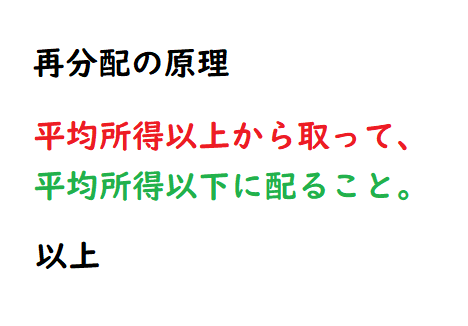
よくよく考えれば、人頭税でも再分配できるんですよ。
要点は1つだけ。平均以下から取るな。
でも、日本の税金ってすべてこれをやらかしてるんですよ。平均所得って500万ですよ。
1
6
20
306
最終的にはこれになるよね
zerohedge.com/energy/quiet-r…


1
836
【#メロLADY歌枠リレー】フェニカの歌にメロメロになっていってね♡【#日向海フェニカ/ユニプロ】【#Vtuber 】 youtube.com/live/040LlmewhFo… @YouTubeより

1
25

26
🍚おちゃくん🥢 retweeted

На днях Эрмек Омуралиев был назначен послом в Италии.
Однако эта новость вышла далеко за пределы Кыргызстана - наш дипломат внезапно стал героем социальных сетей в Японии...
centralasia.media/news:24194…


Эрмек Омуралиев назначен послом Кыргызстана в Италии
kg.akipress.org/news:2417674
108
3,655
12,571
4,540,026
🍚おちゃくん🥢 retweeted

Feb 20
「財政規律ガー」という自分たちのロジックが通じなくなった日経は、今度は外国人の国債大量購入を「海外依存だ!」と言い出した。まったく呆れて物も言えない。本当に財政危機のある国なら長期債を外国人が大量に購入するわけがないだろ。だから“マスゴミ“と言われるんですよ nikkei.com/article/DGKKZO945…

37
462
1,578
19,831
🍚おちゃくん🥢 retweeted

Feb 20
伊勢崎賢治氏は断じる。旧統一教会の政権浸透は米国なら国家反逆罪、日本なら死刑しかない「外患誘致罪」に相当する亡国の危機だ。平和ボケの裏で、主権は既に外部勢力に食い荒らされている。この異常な支配をいつまで見過ごすのか。今、怒らなければ手遅れだ。
#れいわ新選組
#伊勢崎賢治 #安全保障


1,895
3,333
43,560

3
61
【 #踊ってみた 】はちゃめちゃわちゃライフ! / FRUITS ZIPPER 【蛇宵ティア / ななしいんく】#shorts #fruitsz... youtube.com/shorts/3vSrpQrL3… @YouTubeより

1
58

839
🍚おちゃくん🥢 retweeted

Feb 20
とうとうきた…!!!
ASMR3作品目🎧
今回も整音など全て自分で担当❣️
リアルな距離感や配信版と彼女版でよりドキドキしちゃう…💙
Feb 20

✧⁺‧┈┈┈┈┈┈┈┈┈┈┈‧⁺✧
🎧DLsite音声作品🎧
完全新作8作品販売決定
✧⁺‧┈┈┈┈┈┈┈┈┈┈┈‧⁺✧
✅ 期間限定❕セットで25%OFF
✅ 新作&旧作どちらも対象
✅ 2026年2月27日より販売開始
#ななしいんく メンバーの
録り下ろし音声作品を是非お楽しみください
▼ 各予告ページはツリーまで

18
61
329
7,010
🍚おちゃくん🥢 retweeted

Feb 20
x.com/TuckerCarlson/status/1…
The United States dislikes nations with successful economies. Japan should never have surpassed the United States. China must not surpass the United States either. Just as the United States is now attempting to crush China's economy, it once shattered Japan's economy. Destroying Japan's economy was easy because there were American collaborators at the heart of Japan. Japan has never regained its sovereignty since being occupied by the United States. Japan's defeat began the moment it invaded China.
28 Jul 2025

World-renowned economist Richard Werner on where money comes from: banks just create it out of thin air, and keep a pile for themselves.
(0:00) How Werner Predicted the Japanese Financial Crisis
(14:16) How Banks Create Money From Nothing
(24:09) You’re Being Lied to About the Bank’s Role in Economics
(33:59) The Evils of the Federal Reserve
(38:51) Why Are Banks Allowed to Create Money?
(57:12) Was Leaving the Gold Standard a Mistake?
(1:09:30) The Difference Between Banks and Central Banks
(1:24:26) How Society and Culture Are Impacted by Banks
(1:33:11) Did the US Purposely Destroy the Japanese Economy?
(1:35:42) The Central Bank’s Attempt to Blacklist Werner
(1:39:03) The CIA’s Threat to Werner
(1:47:24) Why Werner’s Research on Credit Creation Scared the Central Banks
(2:03:55) The Link Between Central Banks and Warfare
(2:18:02) Where Is the US Economy Headed?
(2:29:49) The World Bank’s Debt Trap to Exploit Developing Countries
(2:35:34) The Dark Truth About Central Bank Digital Currency
(2:40:19) Where Can People Learn More About This?
Includes paid partnerships.
2
4
9
1,198
🍚おちゃくん🥢 retweeted

Feb 19
🇯🇵 Why Japan’s Decline Is Psychological, Not Just Economic
Everyone talks about Japan’s economic stagnation — lost decades, shrinking influence, declining industries.
But there’s a deeper layer almost nobody touches:
Japan’s geopolitical identity crisis is inseparable from its hostility toward China.
Not because China threatens Japan.
But because China shattered the psychological structure Japan has lived inside for 80 years.
1. Japan once believed it understood how Asia should work.
Modern Japan’s national mindset is built on one story:
• The U.S. defeated us.
• The U.S. rebuilt us.
• The U.S. protects us.
• The West accepts us as the “civilized Asian,” the honorary white nation.
Japan internalized this hierarchy.
And then it projected the same logic onto China.
Japan slaughtered 35 million Chinese. Ran Unit 731. Used women as sexual slaves.
But Tokyo always believed:
“I am richer, I am more advanced, I have better reputation.
So China should ‘move on’ the same way I moved on under U.S. rule.”
Japan thought dominance creates obedience.
Because that is how it behaved toward America.
2. When China was weak, Japan mistook silence for acceptance.
For decades, China didn’t have the power to push back internationally.
Japan interpreted this as:
• “China accepted our narrative.”
• “China doesn’t dare confront us.”
• “The war is over — we won the moral argument.”
This is absolutely not reconciliation; it is merely a power illusion.
Japan became comfortable believing:
“If China must bow to someone, it should bow to me, just like I bowed to America.”
3. Then China rose — and Japan’s entire worldview collapsed.
China didn’t just grow.
China overtook Japan in every pillar of national power:
• GDP
• Manufacturing
• Technology
• Diplomacy
• Military
• Global influence
China now competes with the United States itself —
the very empire Japan historically imitates.
And this is where the psychological rupture begins:
Japan cannot emotionally process a world where China stands on the same level as America.
Because in Japan’s internal hierarchy:
• America is the master.
• Japan is the apprentice.
• China is supposed to be below both.
But suddenly…
the “student of America” watches the “victim of Japan” surpass them both in power and prestige.
For many Japanese nationalists, this feels like an existential insult:
“How dare China rise to the level of my master?
How dare China erase the hierarchy that defines me?”
So the hatred intensifies.
Not just political hatred — existential hatred.
4. And the irony? China never asked Japan to kneel.
China only asked Japan to face history.
But to Japan, acknowledging history means acknowledging loss of superiority.
So instead, resentment grows.
And Japan’s geopolitical relevance shrinks even faster.
5. Japan’s economic decline is inseparable from this psychological stagnation.
- While China built entire industrial ecosystems, Japan clung to nostalgia and Western validation.
- While China out-innovated, out-built, out-scaled, Japan obsessed over keeping China “in its place.”
Japan’s decline is not just economic,
it is a refusal to accept a world where it no longer defines Asia.
Feb 17

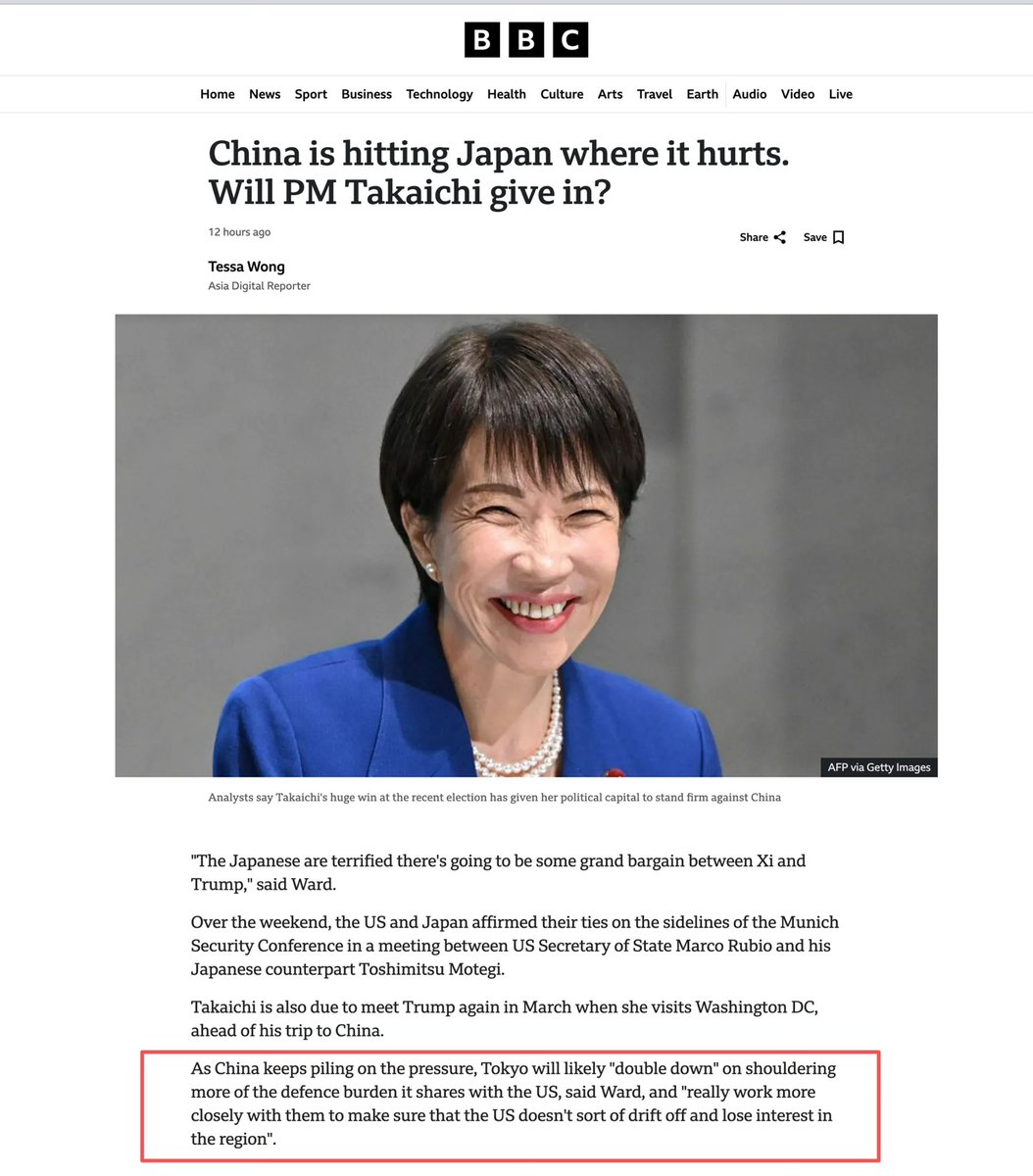
The BBC’s analysis exhaustively described warships, rare earths, and diplomatic storms, yet missed the single sentence that reveals the entire colonial psychology:
“We must do more, or the US might lose interest.”
This is not the language of a sovereign state, but the voice of a pet terrified of abandonment:
“Please don’t loosen the leash.
I can bark louder, bite harder.
Just don’t decide I’m no longer useful.”
Japan’s so-called “regional balance” is merely a euphemism for fear, and its celebrated “partnership” is nothing more than dependence dressed as strategy.
Here, the empire’s mask cracks, and you finally see the real choreography beneath:
it is not China exerting pressure, but a colonial pet nervously performing obedience, begging its master not to let the leash slip.
This was never geopolitics.
It has always been domestication masquerading as diplomacy.
92
315
1,288
160,109
🍚おちゃくん🥢 retweeted

Feb 20
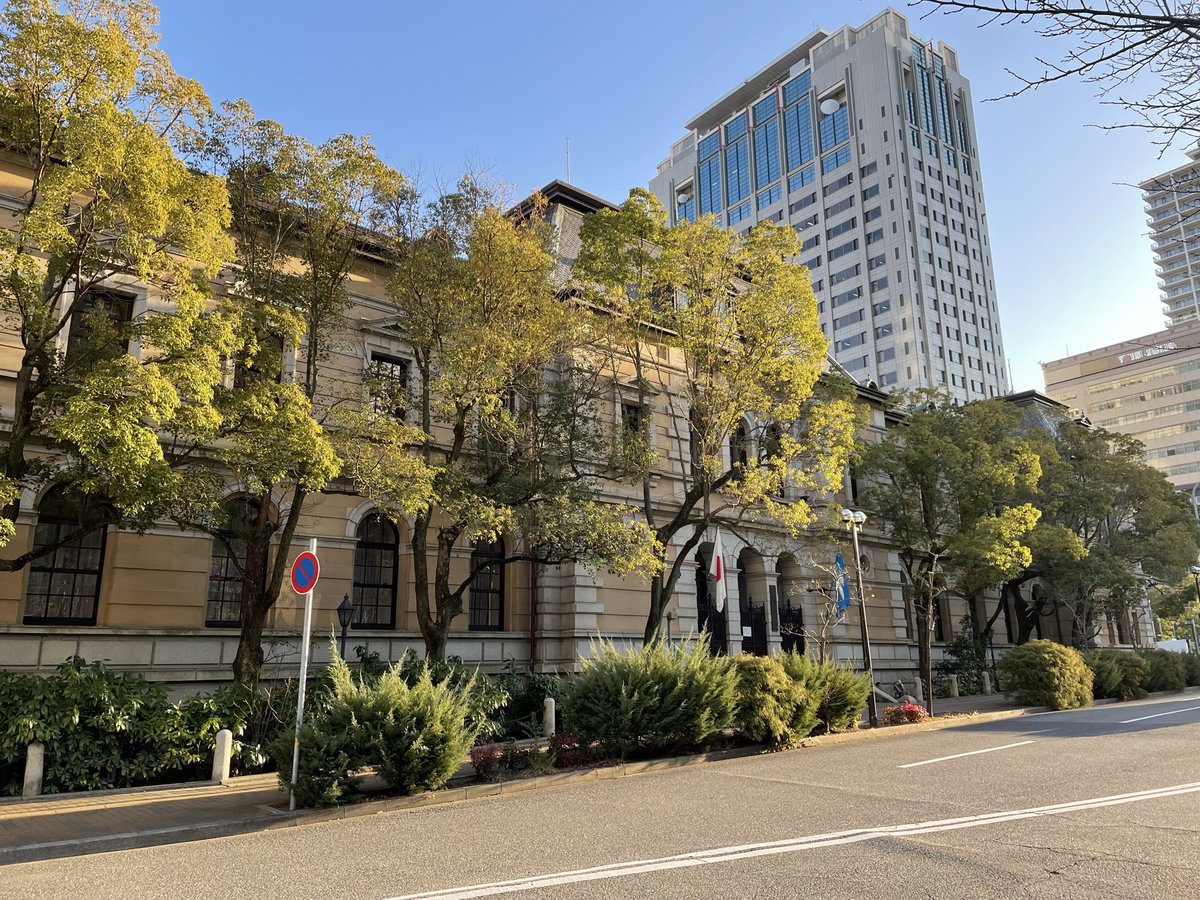
立花孝志さんのデマ動画を配信していた「ふくまろさん」が、兵庫県議会の中継に来ていたので、「(名誉毀損の)訴状をどこに送付したら良いか教えて下さい。」と聞いたのですが、「自分で調べて下さい」との返事が返ってきました。
訴状を所属している会社などに送付することを考えます。
彼には、「あなたに怒りなどは持っていないが、デマ動画を広げる構造にメスを入れなければならないので、対応を進めていきます。」との趣旨をお伝えしました。
皆さんも、ご理解、ご協力をいただければ幸いです。
356
1,871
6,278
498,228
🍚おちゃくん🥢 retweeted

Feb 20
以前、雑誌で高市氏のことを「モスキート保守」と書いたが、本当に言葉の軽さがモスキートだ。衆院選では争点潰しのために「消費減税は私の悲願」とブチ上げていたが、ライターが公式サイトのコラムを遡っても、そんな記述は出てこない。指摘をうけ高市氏はコラムを全削除。これでは日本まで軽くなる。
57
2,227
7,717
107,671