
1,661 Photos and videos




OMAR retweeted

44
628
1,355
90,178
OMAR retweeted

Feb 21
عندما سُئل نتنياهو هل رأيت أحداً يلحس أكثر من كلبك؟ قال نعم، الإماراتيون
Feb 20

This is incitement wrapped in religious language. It deserves firm and public condemnation.
When a senior Saudi cleric signals support for another October 7-style attack, the message travels far beyond a sermon or a lecture hall. Such rhetoric legitimizes violence in the minds of those already vulnerable to extremist narratives. Responsible religious authority carries the duty to calm tensions, protect civilian life, and elevate ethical discourse.
Sheikh Saad Al-Shathri holds positions of significant influence. He is a member of the Council of Senior Scholars in Saudi Arabia, a minister-rank advisor at the Royal Court, a faculty member at King Saud University, and one of the eight preachers entrusted to deliver the Arafah sermon during the Saudi era. Words delivered from platforms of this magnitude shape perceptions across regions and audiences.
Describing Israel as an “entity planted by the USA” and invoking the language of renewed attacks feeds a dangerous ecosystem of antisemitism and mobilization. This rhetoric erodes stability, inflames tensions, and empowers the very forces that responsible leadership across the region has worked to contain.
Incitement to violence and antisemitic agitation violate the basic norms expected by international partners in Europe and the United States. Public figures who engage in such rhetoric invite scrutiny regarding their access to Western platforms and travel privileges.
Condemning this language is a matter of principle and security. Clear accountability, firm rejection of extremist incitement, and sustained pressure against voices that promote violence remain essential for any serious path toward regional stability and durable peace.
30
110
888
38,234

امي عمرها في ال٥٠ وتتابعه عادي
بعض الناس عادي يتابع كل الافلام والمسلسلات اللي في جميع العالم ويعيش القصه فقط بدون مايحكم على مجتمع كامل
بس عند الاعمال اللي تخص بلده يبيها كأنك تصور مقطع يوتيوب
مايعترفون ان في قصص خياليه او ممكن واقعيه تكون سلبيه يبونه كله تلميع بدون نقد
1
2
364
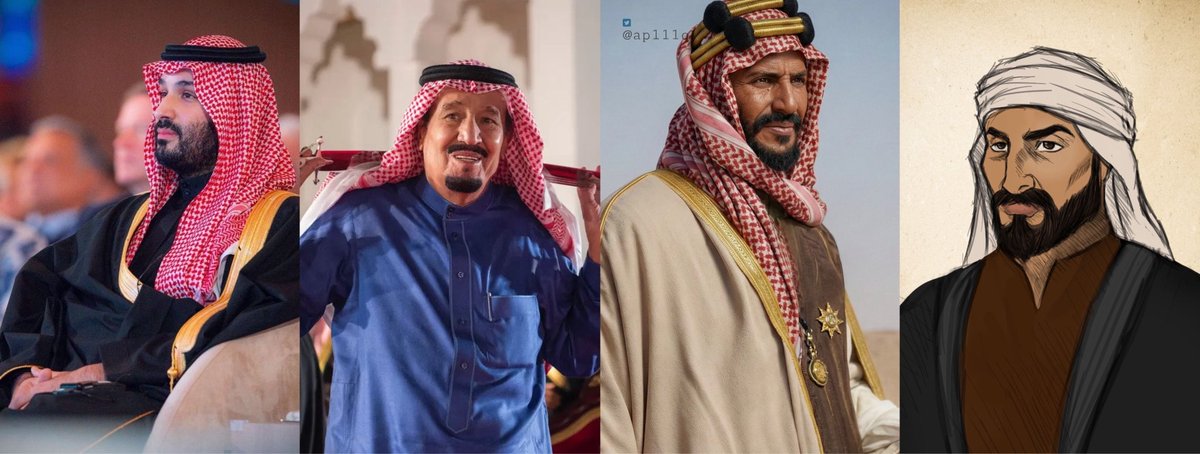
نحارب السعودي لين يفشل وندعم الغريب حتى ينجح🤷🏻♂️

لانه مسلسل سعودي
قسم بالله اشوفهم طايرين بمسلسلين كل واحد اقرف من الثاني بس عاجبتهم لانها مو سعوديه
4
58
8,906
الحين بفهم شي
ليش اذا تابعنا الأعشى يتحسسون ويقولون مراهقين؟

وحدة من الجدات تتابع شارع الأعشى وزعلانة على عزيزة ، ضحكتني يوم طاحت عزيزة عند ناصر قالت هاه خرجت علوم الحبحبة ياعزيزة قري قر عقلك 😅
7
3
74
15,248
OMAR retweeted

12h
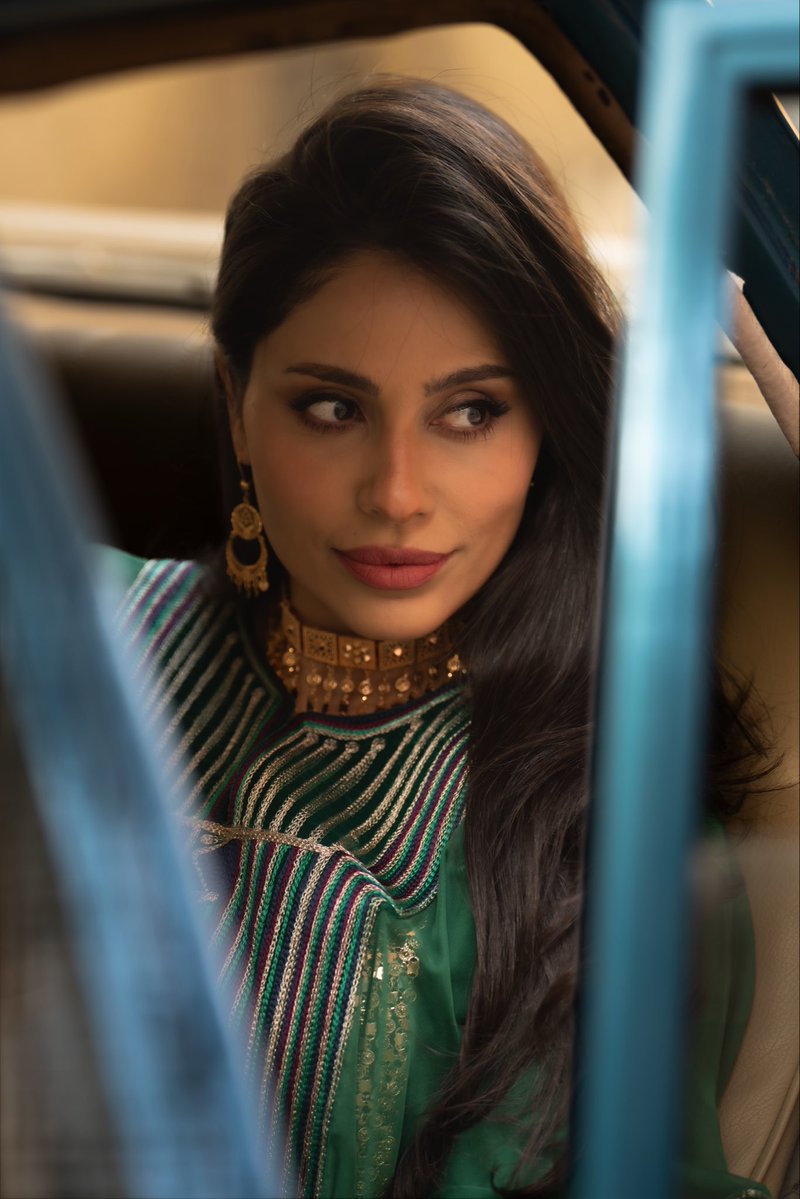
ثلاثة قرون من المجد والعز والفخر🫡
جعل ربي يحفظك يا اغلى بلد🇸🇦
#يوم_بدينا_1727
#يوم_التاسيس
184
127
1,788
74,826
OMAR retweeted

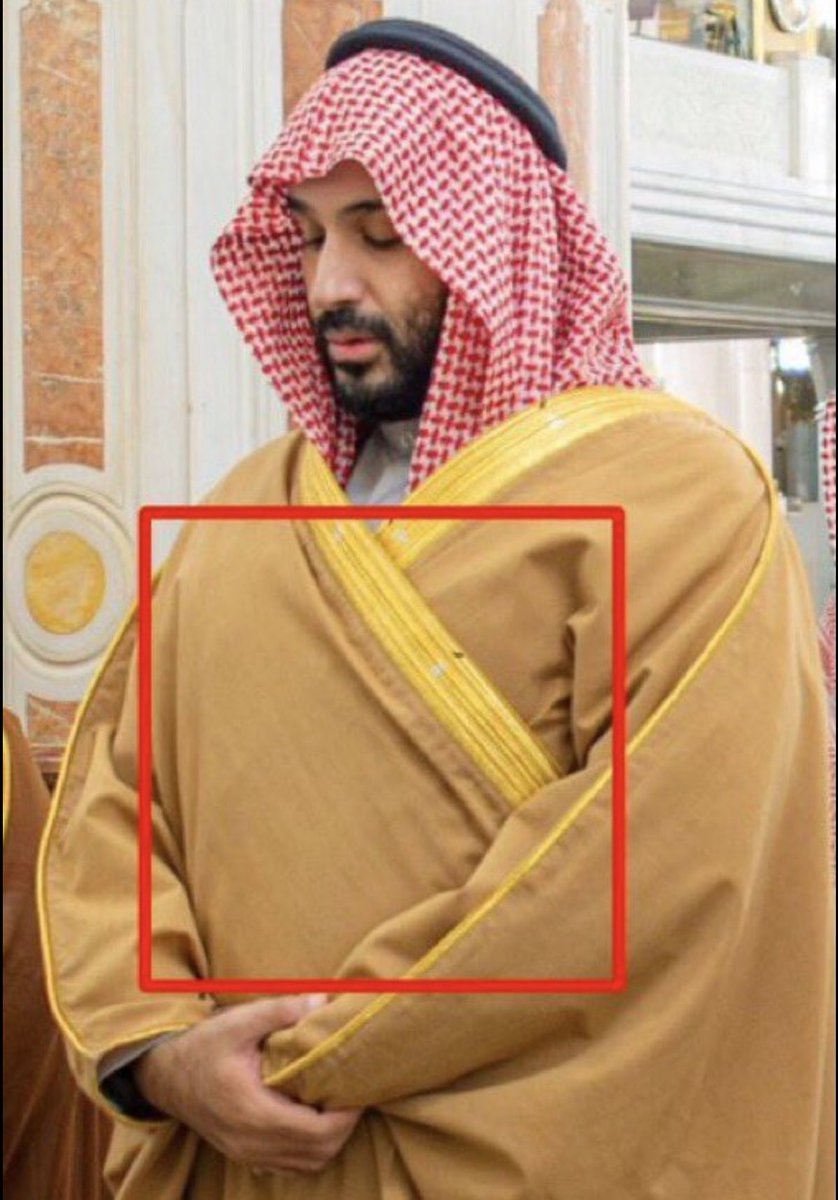
تقول محمد بن سلمان يخاف من الغدر ويصلي وهو لابس درع؟
شكلك ملخبط بينه وبين بو زايد الجبان اللي دايماً يتجنب يشرب من قهوة شعبه خوف من انهم حاطين له شي

قاعد يصلي و هو لابس درع… أمير يخاف من غدر شعبه ولا يثق فيهم… الله المستعان ماذا سيحدث في خلال الأيام القادمة…

8
26
101
7,632
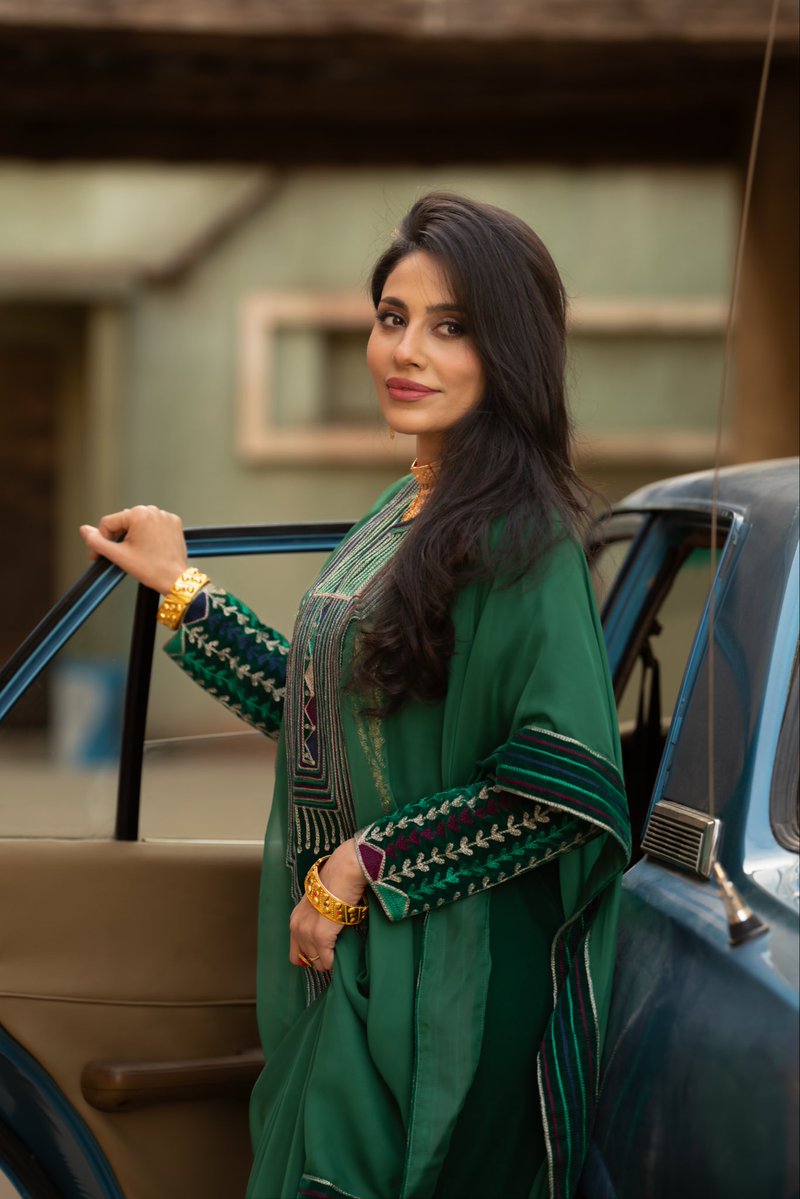
الحوارات بالموسم الثاني في شارع الأعشى ملفته وشدني الموسم الثاني أكثر من الأول ✨🇸🇦

شارع الأعشى خيال خيال خيال دراما سعودي ..
الكلام عجيييب
اللبس صح
المكياج صح ومناسب
الادورا صح
التمثيل صح
طريقة البيوت والشارع
كل شي في هذا المسلسل صح براااڤووووووووو عيشونا فيه
الجزء الاول خيال وهذا الجزء طلع أخيل منه وسلامتكم..
🤍🤍🤍🤍🤍🤍🤍🤍🤍🤍🤍🤍
2
110
17,450
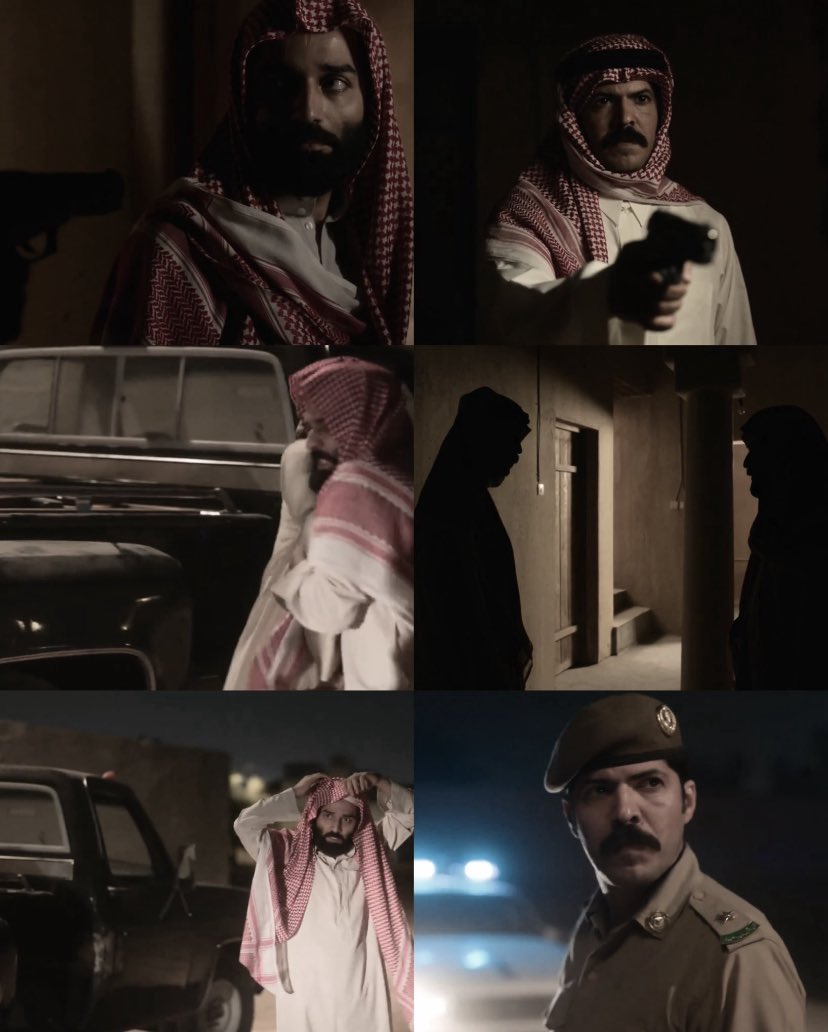
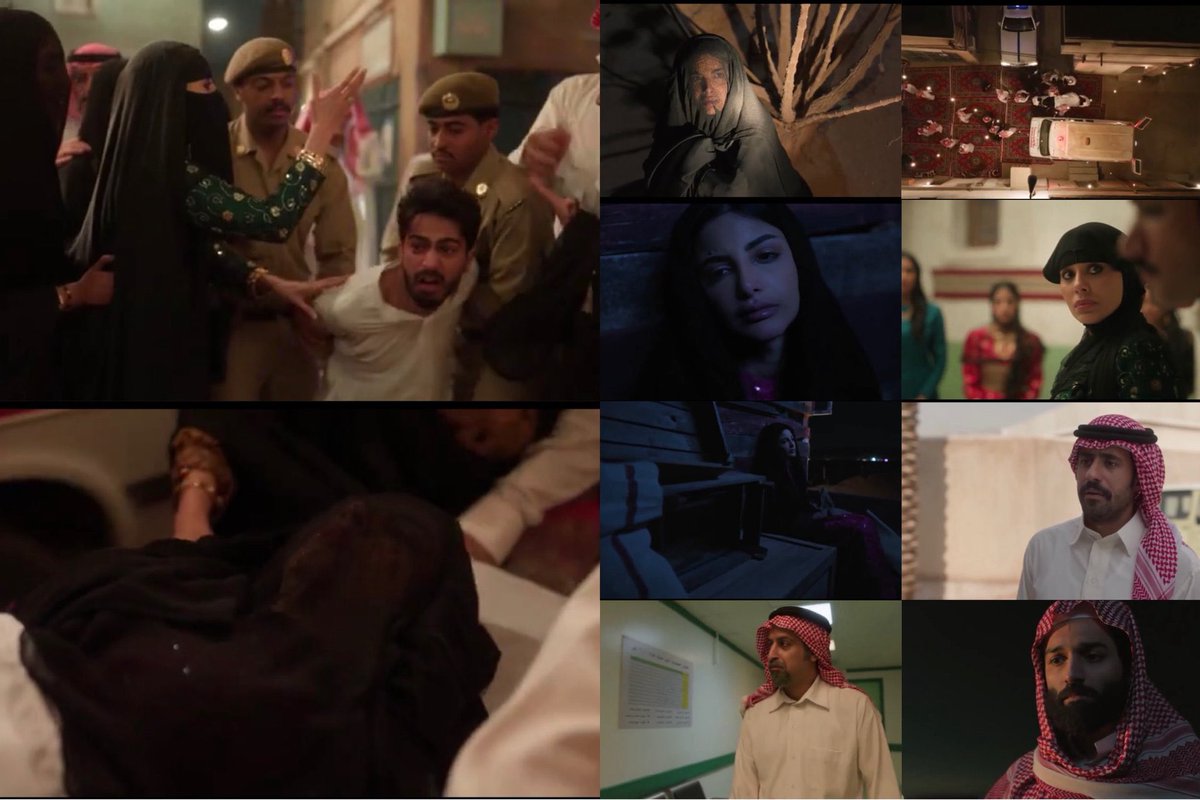
في استهداف ممنهج ومحاولة شيطنة لـ #شارع_الأعشى
مو بحث عن حق وباطل… بل تضخيم وانتقائية عجيبة
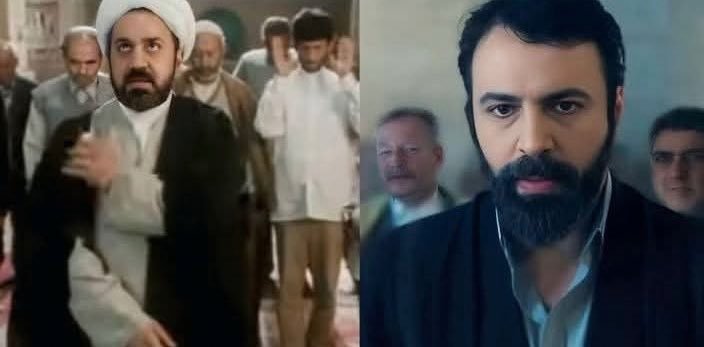
ينتقدون مسلسل محافط وطبيعي… ويتغاضون عن مسلسل مولانا السوري اللي فيه كلمات 🔞
لكن بالأرقام 👇🏻
#شارع_الأعشى
الأكثر مشاهدة على شاهد
الأعلى في الزخم
الأوسع انتشارًا
والأكبر تأثيرًا 🤯🇸🇦
23
4
113
22,547
OMAR retweeted

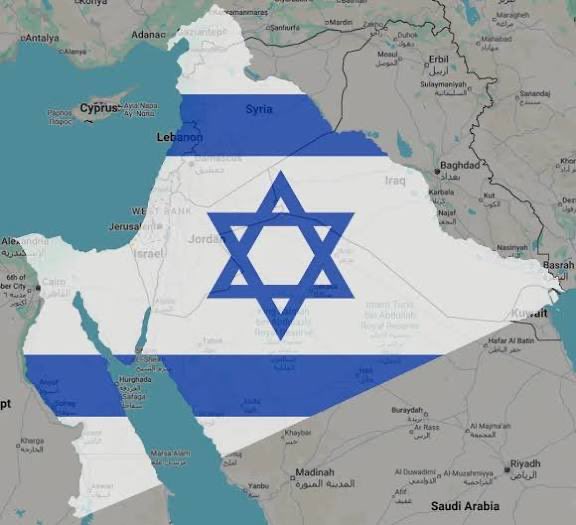
هذا حلم ابليس في الجنة, والله ما تشمون شبر من اراضينا.
לעולם לא תקבלו אפילו אינץ’ אחד מהאדמות שלנו, זה חלומו של השטן להיכנס לגן עדן.
477
140
2,888
2,532,904
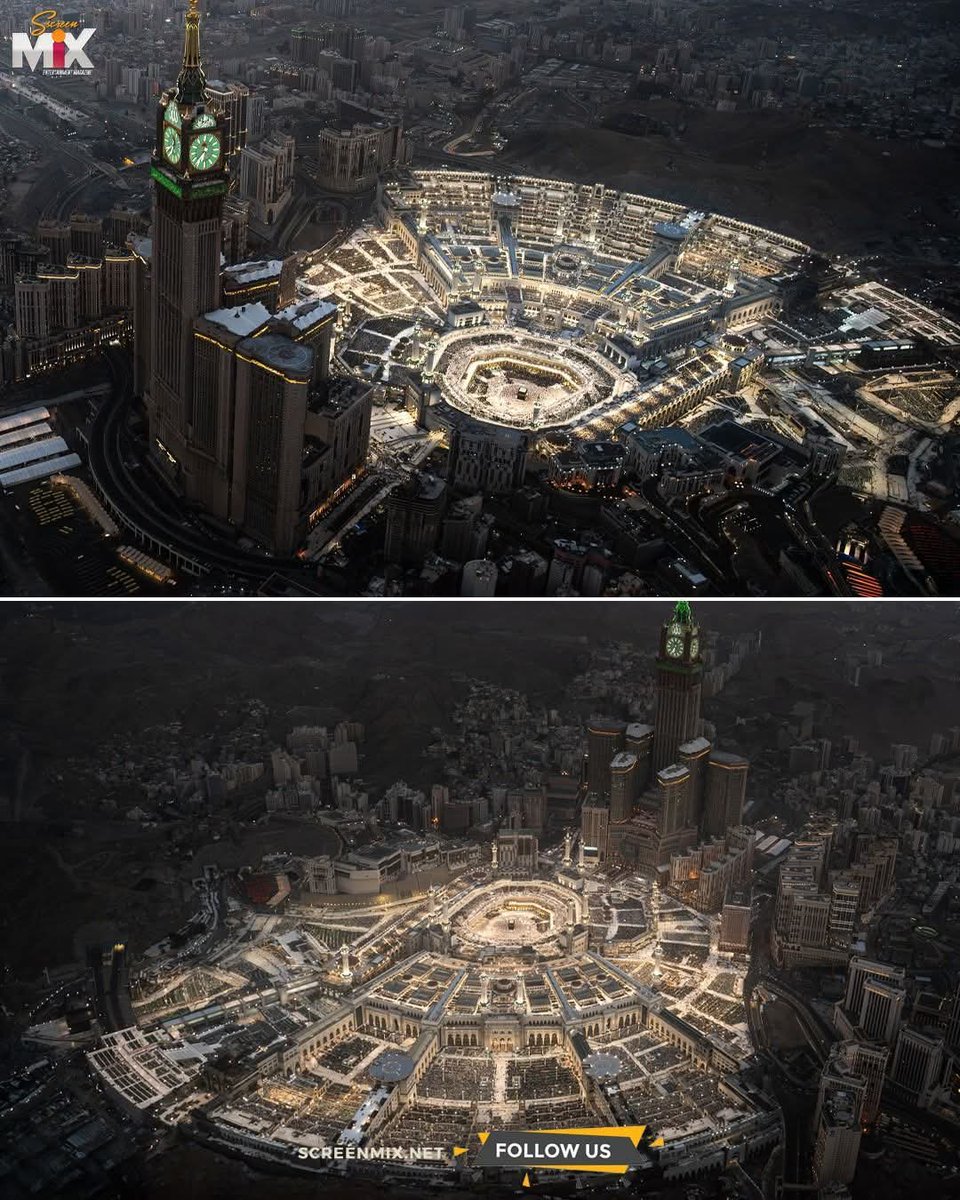
ابداع وماتوقعت الجزء الثاني ينجح لكن المخرجين الأتراك والسيناريست مبدعين 👌🏻🔥
#شارع_الأعشى

المخرج تركي يعرف للقفلات التاريخيه👌🏻👌🏻👌🏻
1
3
22
8,076

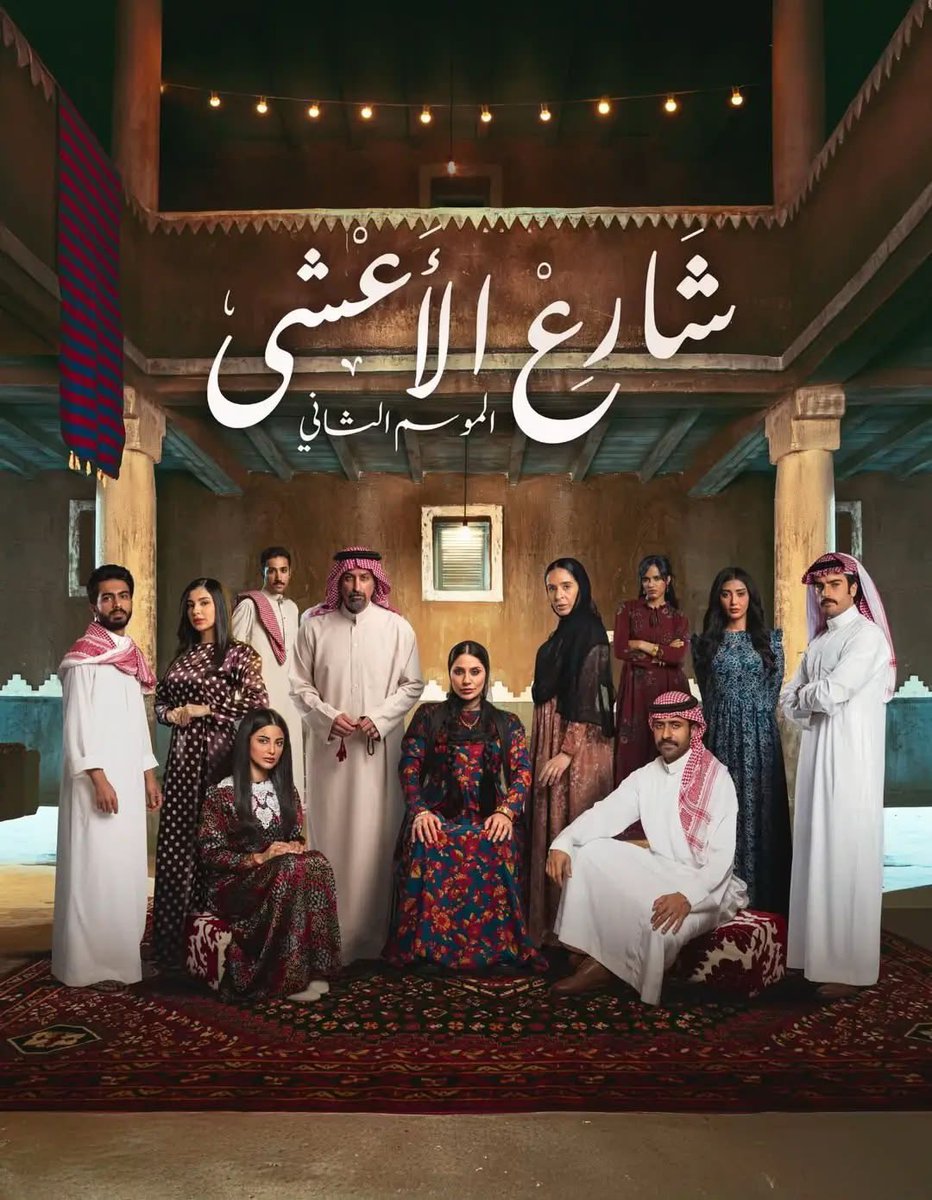
#شارع_الأعشى يساتر يالجنون أقسم بالله الحلقة الرابعه تاااااريخيه واول مره اتابع مسلسل عربي الاحداث حماسية والقفلات تاااااريخيه 🔥👏🏻
16
10
228
21,549
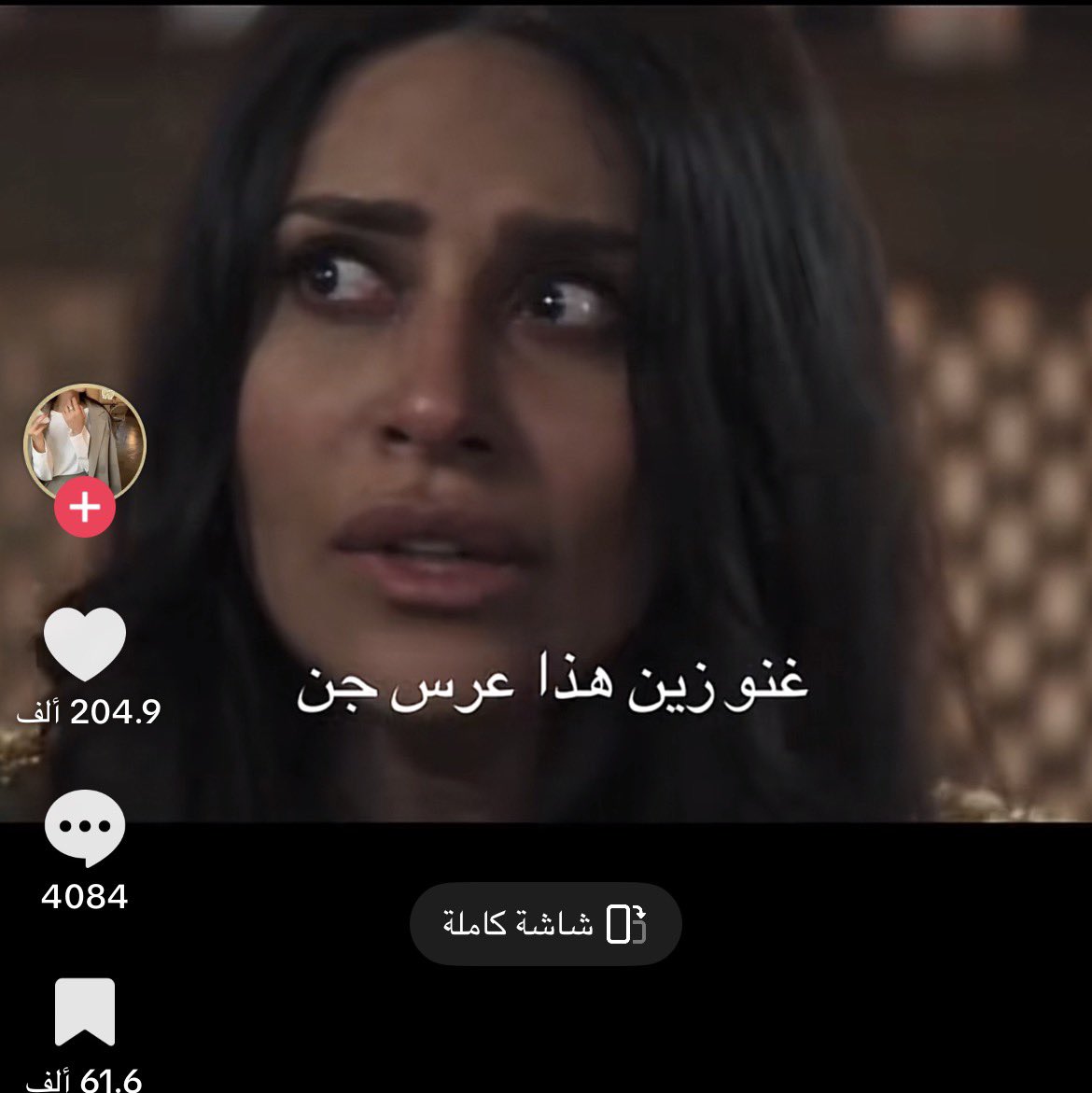
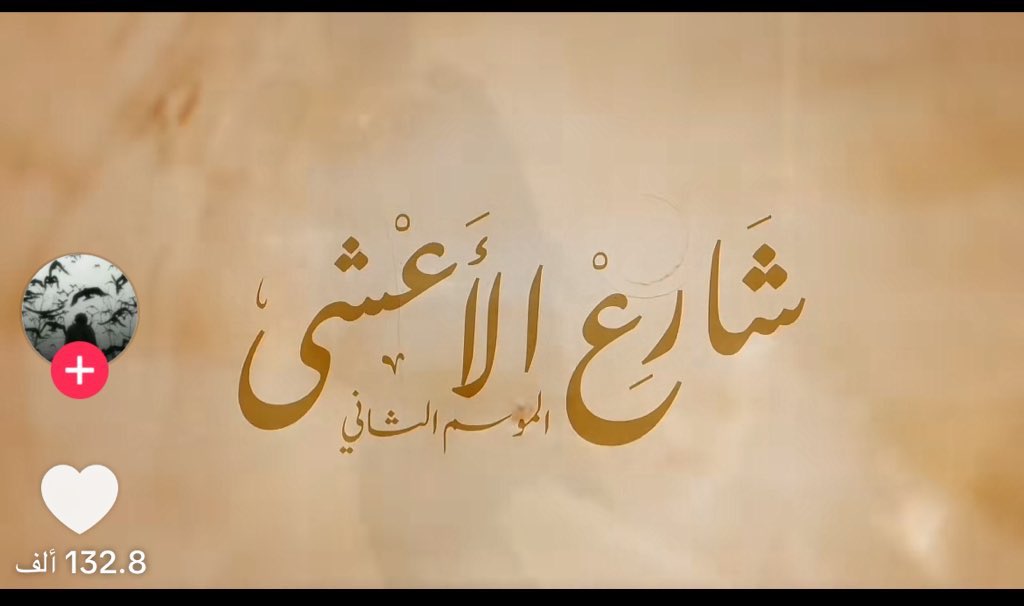
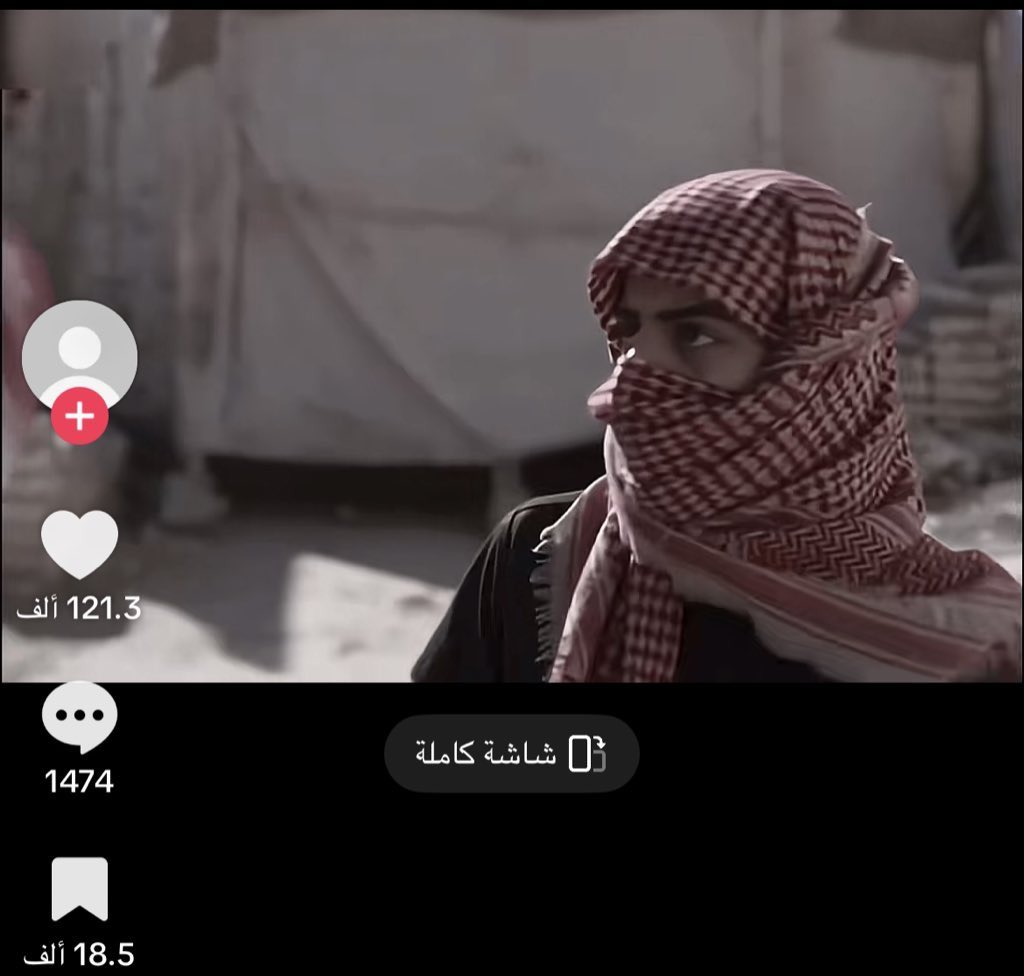
سويت مقارنة بين #شارع_الأعشى
وبين مسلسل #مولانا المقتبس بالكامل من فيلم إيراني
راجعت التفاعل في تويتر والتيك توك…
النتيجة واضحة وصريحة 👇🏻
الهيمنة لـ #شارع_الأعشى و #عرس_الجن
الأعلى في محركات البحث
الأكثر تداولًا
الأكبر في الزخم
الأوسع في التفاعل
والأكثر مشاهدة 🤯🇸🇦

14
10
206
49,004
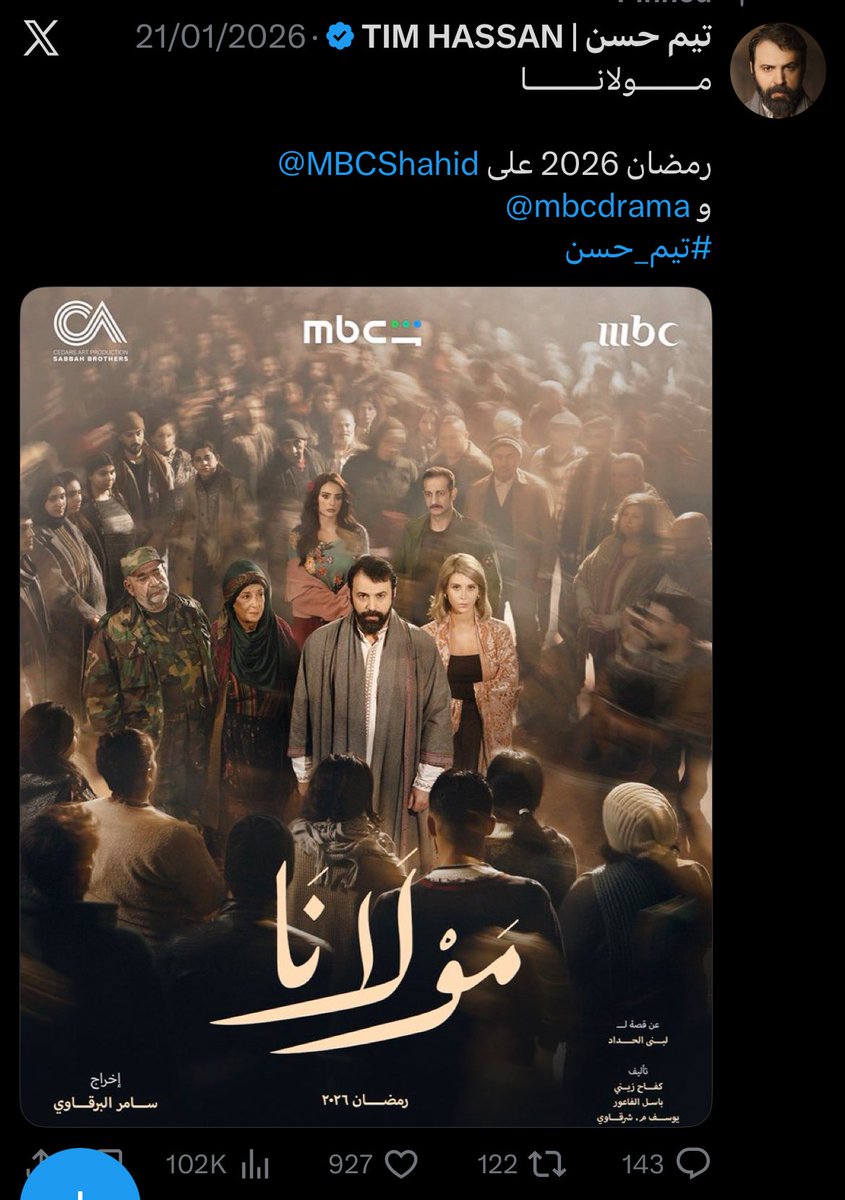
الأرقام تتكلم عن نفسها 🤷🏻♂️

براء عالم في تويتر
و
تيم حسن في تويتر
اكتساح
وهيمنة
لتغريدات براء عالم عن شارع الأعشى
أعرف فيه ناس ما راح تتقبل هالحقيقة
لكن الأرقام تتكلم و #شارع_الأعشى
صار ظاهرة عربية
في آخر موسمين 👏🏻🔥

1
1
7
5,548
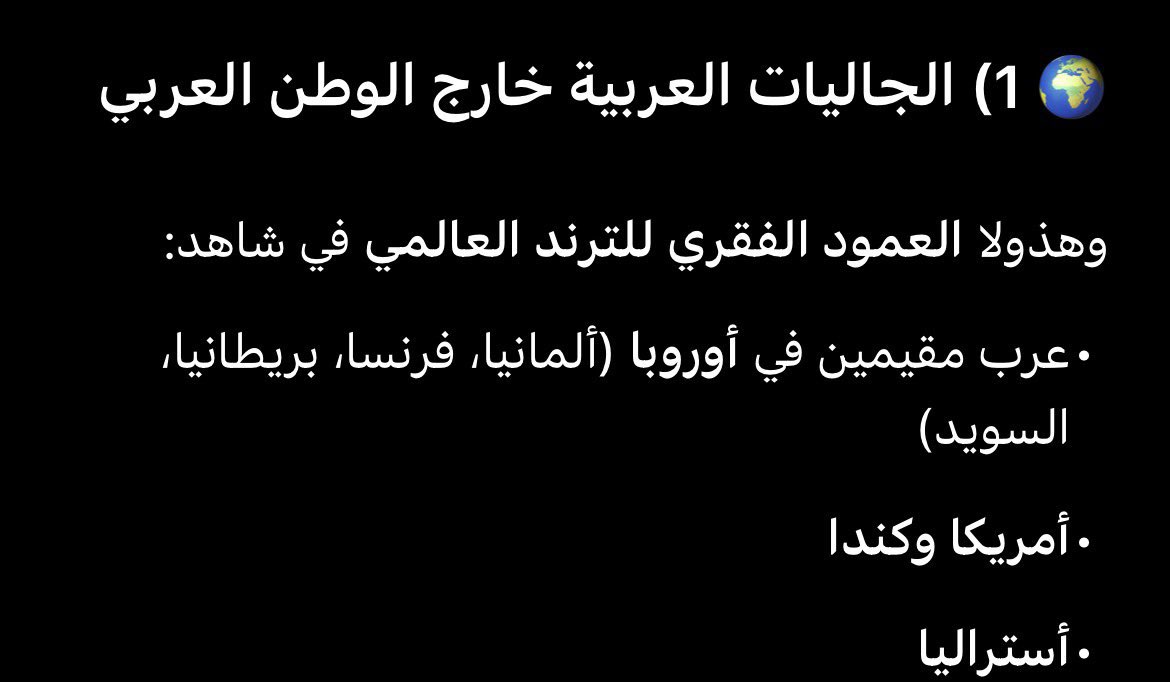
اللي متداول كـ ترند عالمي في شاهد هو في حقيقته ترند المغتربين العرب بالخارج وأعدادهم قليله في شاهد
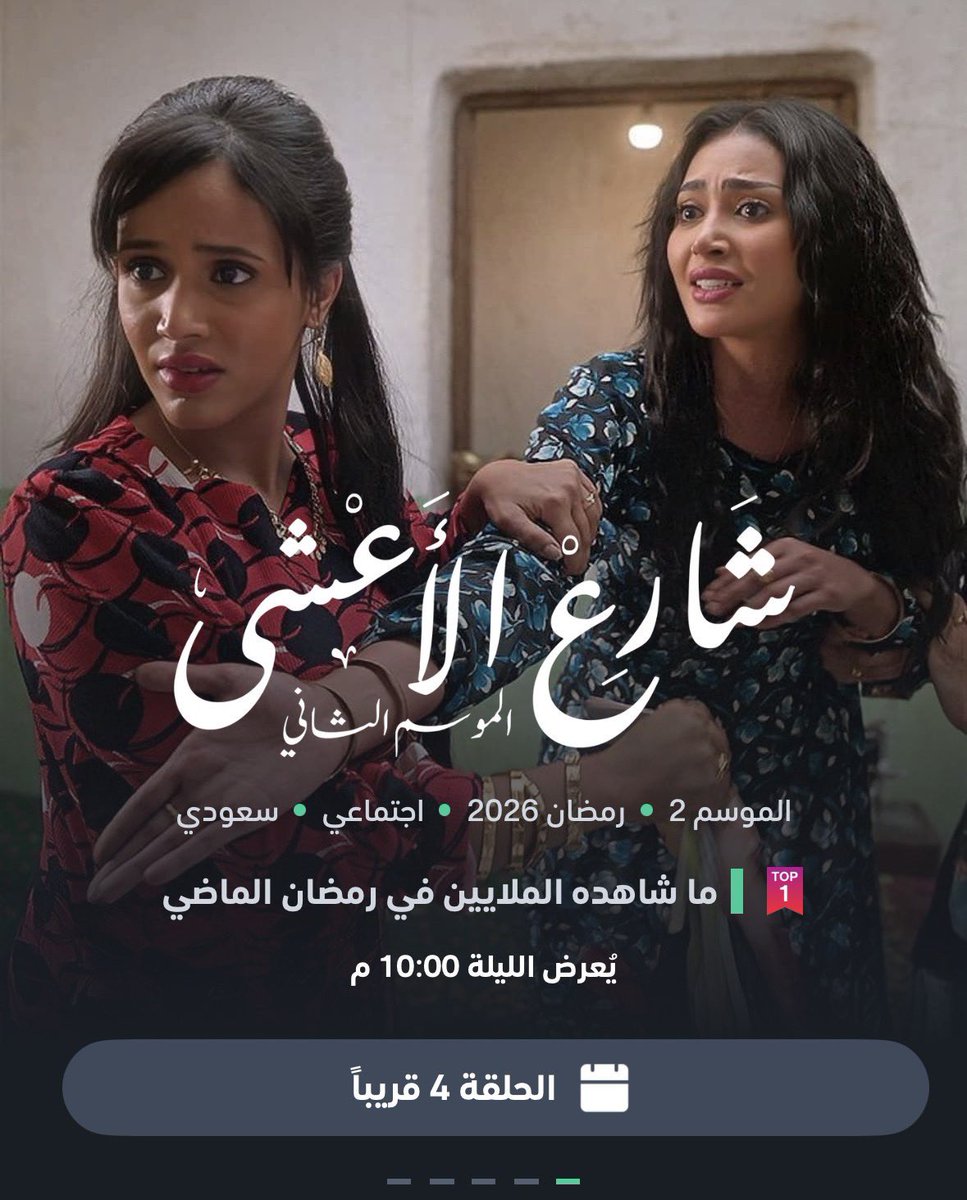
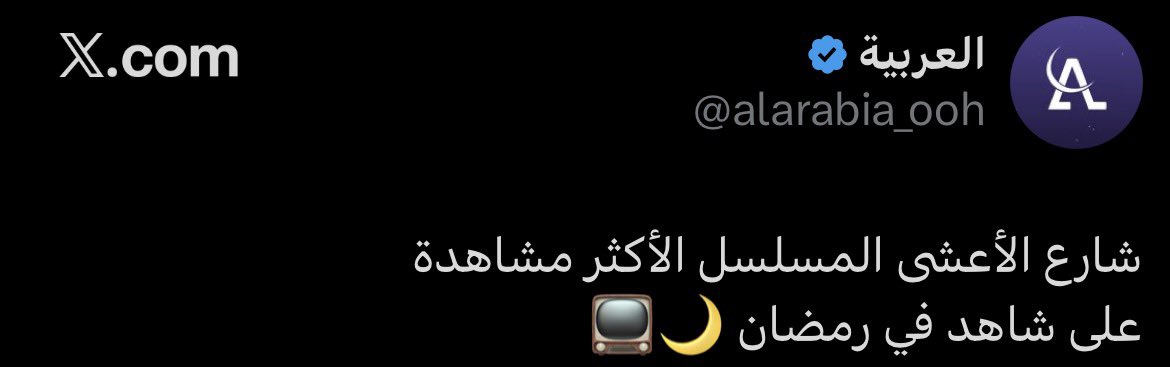
الترند السعودي هو الترند الأكبر من حيث المشتركين والتفاعل داخل منصة شاهد.
شارع الأعشى بموسمه الاول كمجموع مشاهدات كان الأعلى على شاهد وعشان توضح الصورة اكثر الأعلى من حيث اعداد الناس اللي تابعوا الحلقات👌🏻🇸🇦
Feb 20

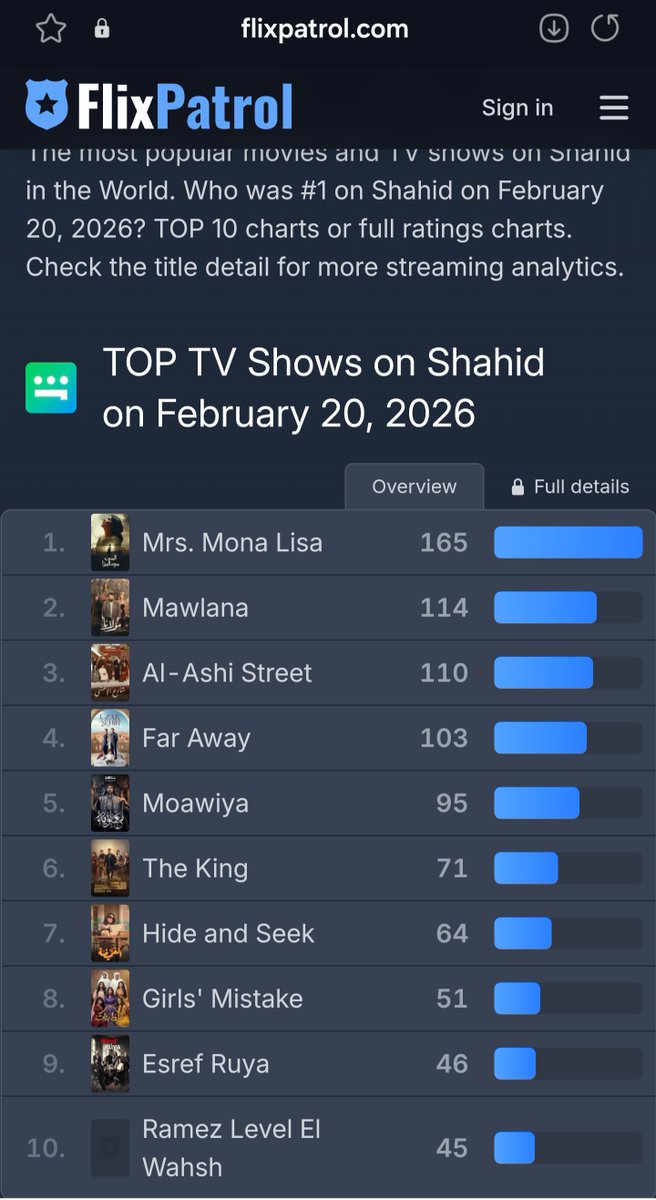
بس الارقام تقول غير هالكلام
وفيه فرق بين نجاح محلي فقط
ونجاح على مستوى عربي
1
6
4,040