

Joined April 2016
- Tweets 4,320
- Following 46
- Followers 73
- Likes 3,869
1,327 Photos and videos





一文字c58 retweeted

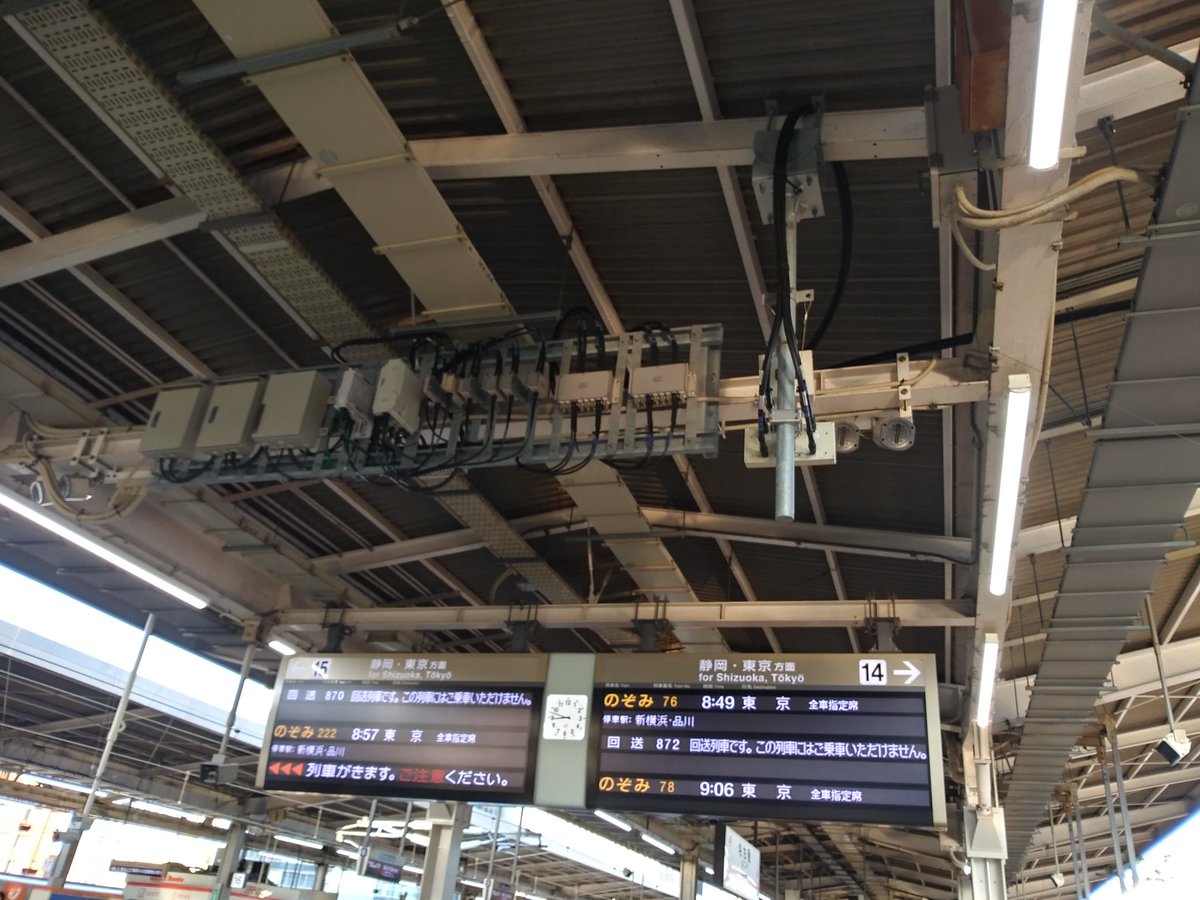
3/1(日)に開催される「#小牧基地航空祭」(最寄り:名鉄小牧線牛山駅)にあわせ、見物に来られるお客さまの利便性向上を図るため、地下鉄上飯田線・名鉄小牧線において、臨時列車を運行します🚇
詳しい情報はこちら
kotsu.city.nagoya.jp/jp/sp/S…

115
251
11,190
一文字c58 retweeted

20h
アフリカにいる世界最小の猫
『クロアシネコ』🐾
猫科で最も優れたハンターで
捕獲率は約60%🙀
そそそれにしても可愛い😹

63
2,056
12,809
233,019
一文字c58 retweeted

Feb 21
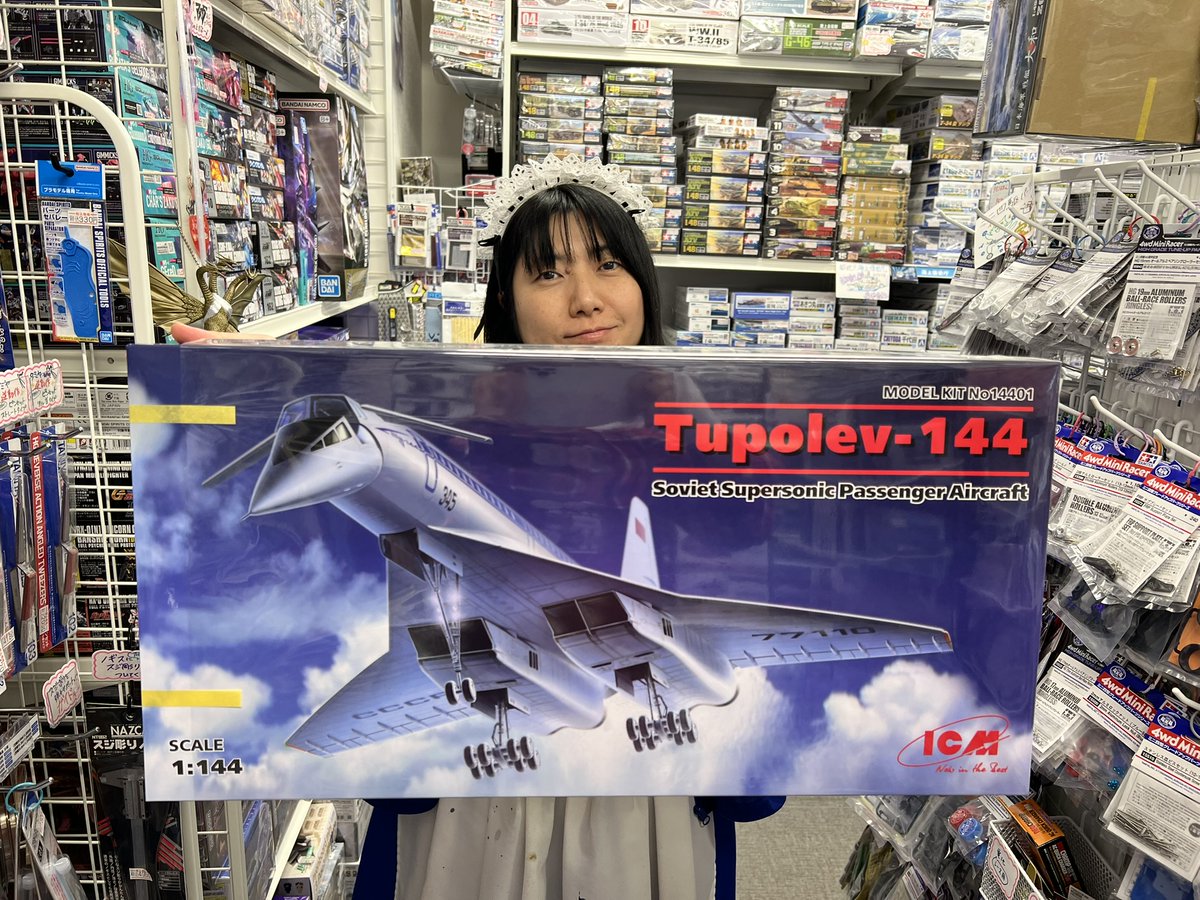
このパッケージの大きさでたった税込 3600円。何度も納品書を見直しました💦 1/144 旧ソ連の実在した超音速旅客機『ツポレフ 144』です。1968年に初飛行し、1975年には旅客便としての運航を開始しました。当時は東西冷戦時代でしたので、西側のコンコルドに対抗する目的で開発されたのでしょうね。
30
301
1,300
50,374

20h
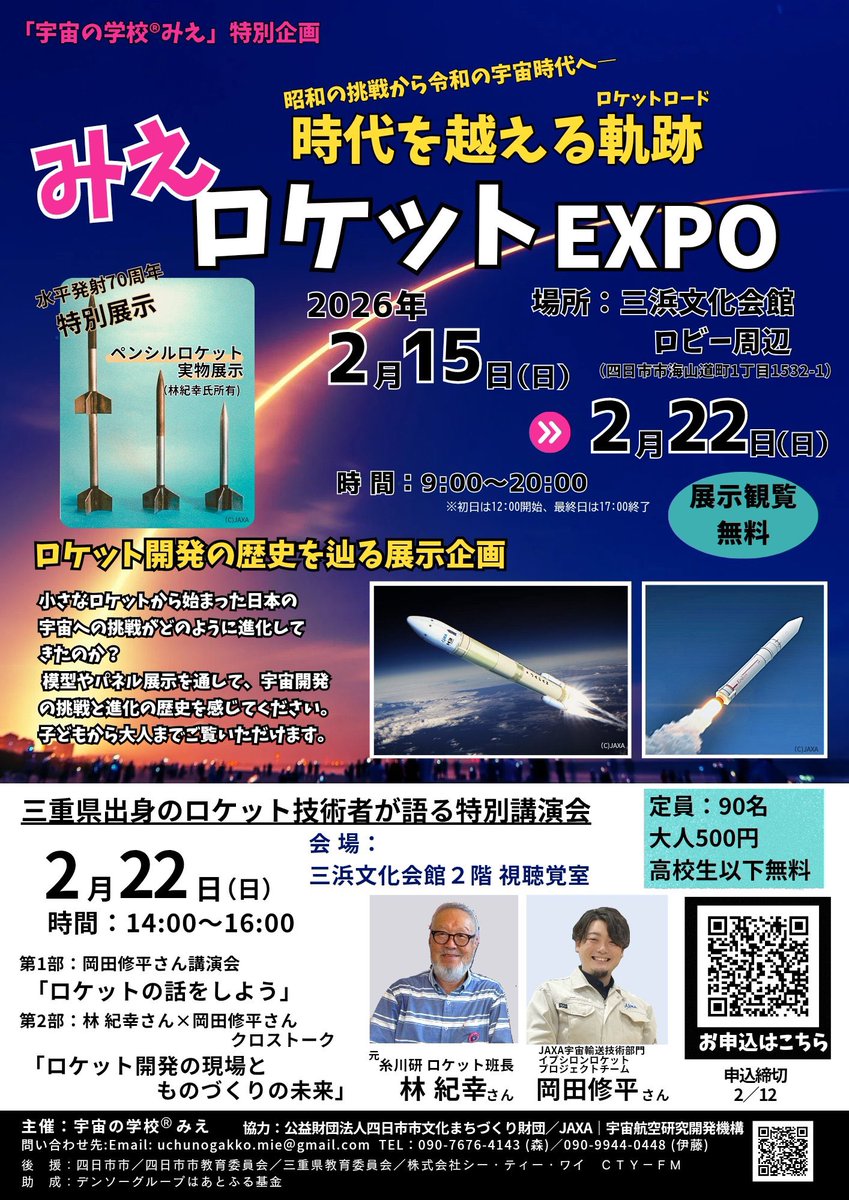
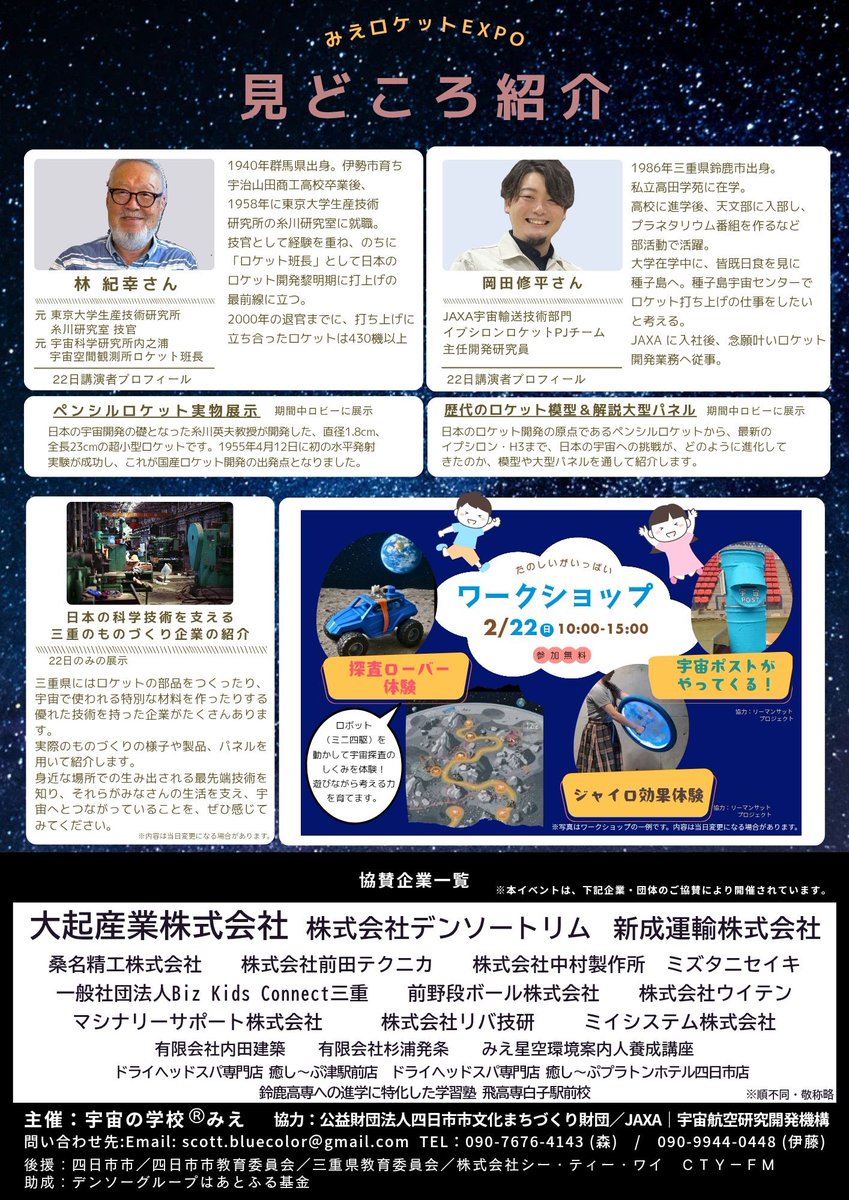
明日はみえロケットEXPO‼️
講演会当選したので久しぶりの四日市
楽しみだ🚀

#まいにち宇宙
📅2026年2月22日(日)14:00-16:00
🏫三重県四日市市 三浜文化会館
🚀「ロケットの話をしよう」
⛑️ 「ロケット開発の現場と ものづくりの未来」
👤 主催:宇宙の学校みえ
📕:ロケット開発の最前線や、ものづくりの未来についてのお話です!
3
360
Feb 21
2年位前、金山駅周辺の市客引き禁止区域内で営業に捕まった時、市のサイトに掲載されてる客引き禁止エリア地図見せて指摘したら「前から歩いてくるお兄さんが悪い」とキレだし「電話がかかってきた」と嘘を言いつつ街中に消えていった。即金山店に苦情入れた(たぶん効果なし)
Feb 21

オープンハウスの社員の声掛けで、気分を害した人いない?
強引に話しかけてきて断っても話し続けるというしつこさ。
大手の会社であのような営業手法を取ること自体異常ですわ。
キャッチ規制の法律改正して禁止にしてほしいわ。
74
Feb 15
ほぇ~‼️


13
一文字c58 retweeted

Feb 14
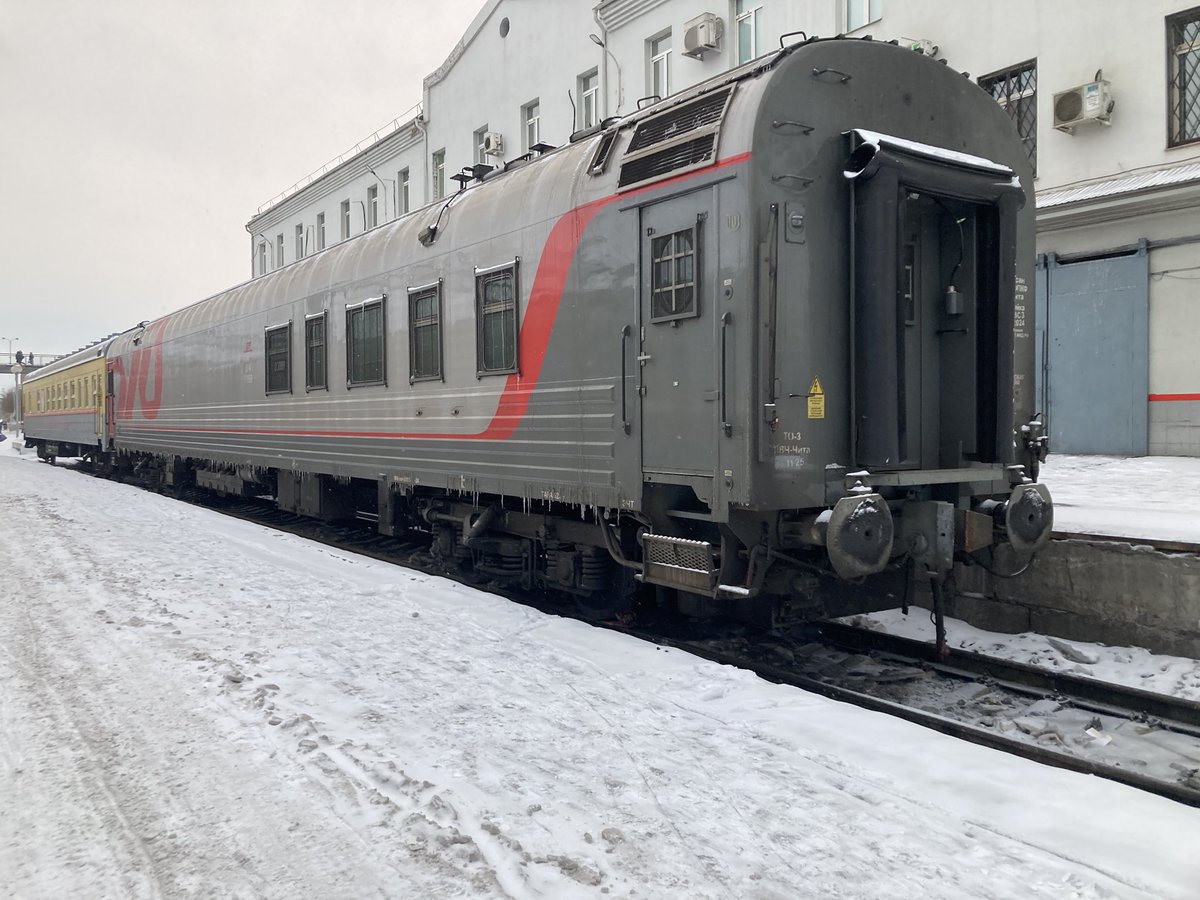
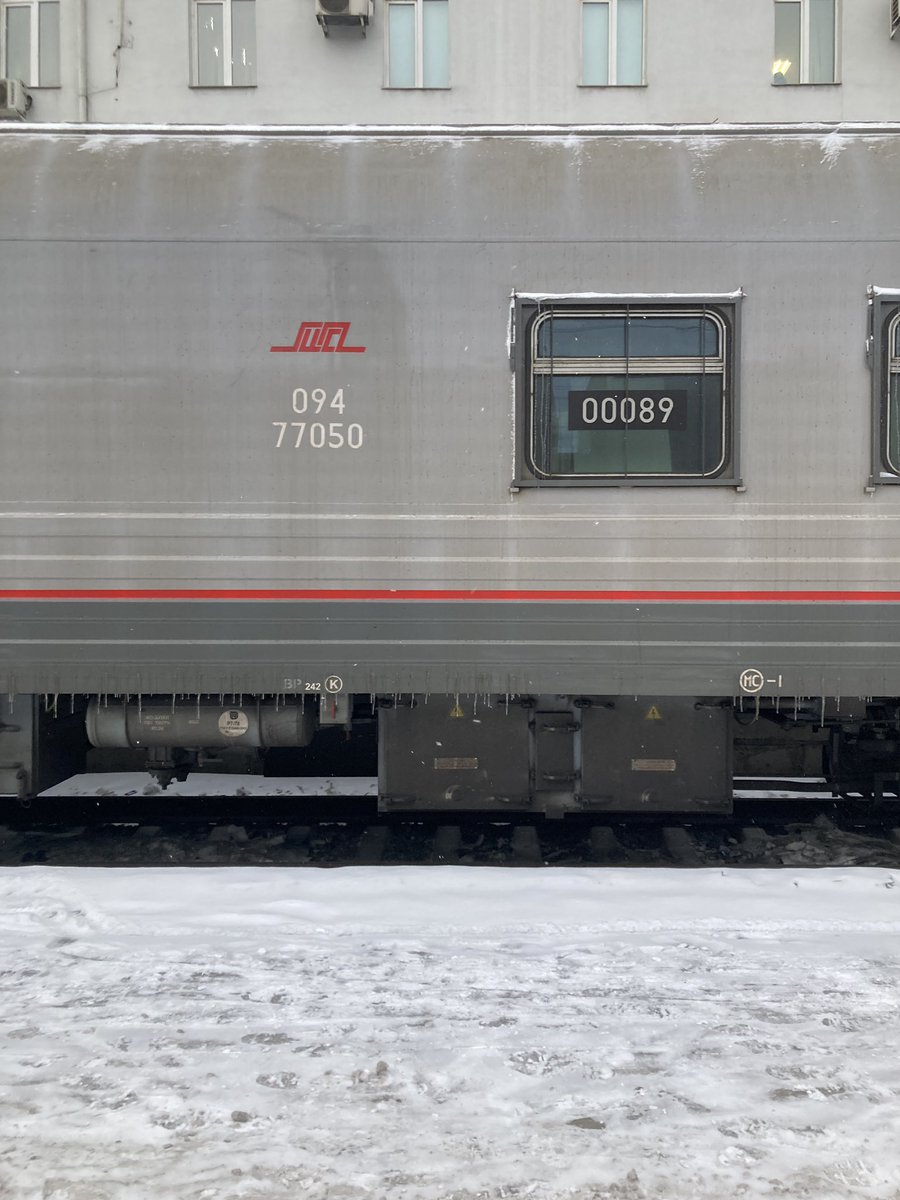
これは囚人輸送車か? ロシアには ワゴン0号車ってゆう車両があり、囚人輸送に使われていましす。 2回ほどお客様(囚人)目撃しましたが機関銃持った警察官が車両を囲み乗降して居ます。写真撮ると面倒なので側面だけ…(もしかしてこれは現金輸送車?)
9
50
295
13,397
一文字c58 retweeted

Feb 13
あ、今ソユーズのサバイバルキットに入ってる鉄砲ってこのクマ撃ち銃じゃなくなってたんだ。てかこれ大西さん達も訓練で撃ってるんだろなぁと思うとなんか面白い。日本では銃撃てる数少ない職業の一つが宇宙飛行士…。
Feb 13

Between 1982-2007, every Russian Soyuz capsule carried an unusual piece of equipment—the TP-82 survival pistol. This wasn't about threats in orbit. It was about what waited on the ground. The weapon addressed a specific problem: Russian cosmonauts might land anywhere across thousands of miles of wilderness, facing temperatures that could kill and predators that could maul. In March 1965, cosmonaut Alexey Leonov discovered this reality firsthand when his Voskhod 2 capsule landed 600 miles off course in the Ural Mountains. Armed with only a nine-millimeter pistol, he spent two nights in bear and wolf territory before rescue teams could reach him through the dense forest.
The TP-82 emerged from Leonov's experience. By 1981, as a major general overseeing cosmonaut training, he commissioned a proper survival weapon. Tula Arms Plant delivered an ingenious design—essentially a sawed-off double-barreled shotgun with an added rifle barrel underneath. The right hammer fired 12.5mm shotgun shells from a smoothbore barrel. The left hammer could switch between a second shotgun barrel and a 5.45mm rifle barrel below. This gave cosmonauts options: bird shot for small game, signal flares for rescue, and rifle rounds powerful enough to deter a thousand-pound brown bear. A machete slotted into the pistol grip to form a stock, and doubled as a tool for building emergency shelters from snow.
The weapon first flew aboard Soyuz T-6 in June 1982. Every cosmonaut trained with it, learning both its mechanics and the Voskhod 2 survival story that justified its existence. The gun's simple manual action prevented jams in the damp cold of Siberian forests. Its ammunition belt carried 11 rifle rounds and 10 each of shot and flare cartridges—enough firepower and signaling capability to bridge the gap between crash landing and rescue. The Soviet military produced ammunition until 1987, and the TP-82 remained standard equipment on every Soyuz mission through 2006. Even international crews, including American astronauts bound for the International Space Station, trained with the weapon as part of mandatory Russian survival courses in Siberia and the Black Sea.
The TP-82 disappeared from space in 2007 when its custom ammunition exceeded shelf life. Russian officials replaced it with standard military sidearms, though the space agency refuses to discuss specifics. Modern GPS and satellite communications have reduced stranding risks, but they haven't eliminated them. In 2008, a Soyuz capsule made an emergency ballistic reentry and landed 250 miles off course. Mission control lost contact. For thirty minutes, the crew—including South Korea's first astronaut—sat completely off the grid before calling in their location via satellite phone. Today, Russian crews vote on whether to carry weapons at all, and increasingly choose not to. Some argue guns have no place in spacecraft, especially given the psychological pressures of space travel. Others note that accidents remain possible, and wilderness survival sometimes demands more than a phone.
The TP-82 represents a distinctly Russian approach to space travel—pragmatic preparation for worst-case scenarios shaped by geography and history. While American astronauts trained for ocean splashdowns, Russian cosmonauts prepared for Siberian taiga. The weapon acknowledged a simple truth: technology fails, weather changes, and sometimes the greatest danger isn't in space but in the moments after coming home. Whether future crews should carry guns remains debatable, but Leonov's experience established a precedent that lasted four decades. When you might land in bear country 600 miles from civilization, better to have the firepower and not need it than face wolves with empty hands.
#drthehistories

9
31
1,433
一文字c58 retweeted

Jan 27
<告知> みえロケットEXPO@三浜文化会館(主催:宇宙の学校🄬みえ)
(詳細はリプ欄で)
2/15~22日、ペンシルロケット実物展示をはじめとし日本のロケット開発のを紹介するイベントを開催します。
22日にはロケット技術者による講演会 (要申込、抽選)
#みえロケットEXPO
forms.gle/dqS6JeFF8EetCKmZ7


2
16
28
7,358
Feb 4
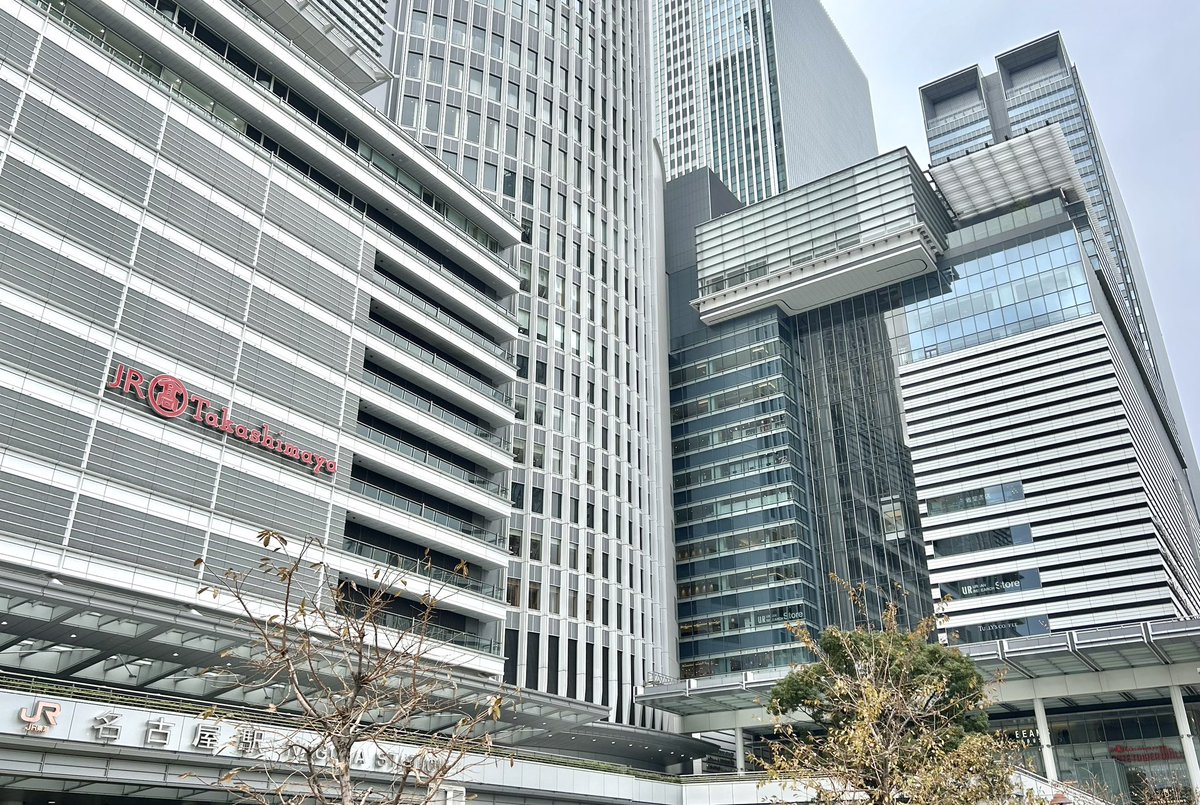
😭

1
1
71
一文字c58 retweeted

Jan 29
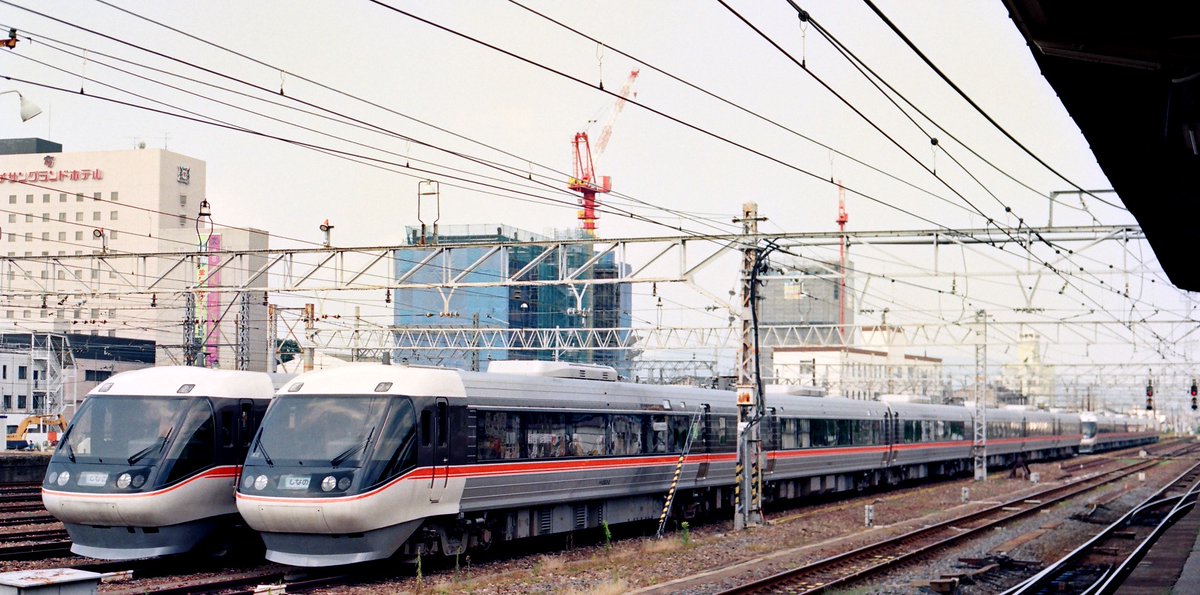
385系の登場で、383系の終わりが近づいてきたようです
自分が生まれた後に登場した車両の終焉を見ますと、歳を取ったことを実感します
写真は、運用開始前に大垣駅に留置されていた383系です

4
145
1,297
73,385
一文字c58 retweeted

Jan 29
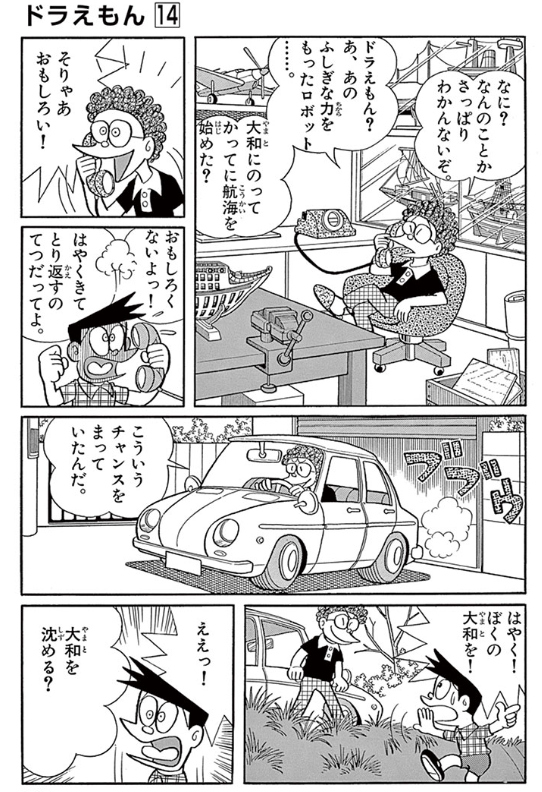
「ラジコン大海戦」(ドラえもん)
dorachan.tameshiyo.me/COMIC2…
スネ吉兄さん初登場回の無料公開来た!
93
3,278
11,374
2,494,790



一文字c58 retweeted

Jan 24
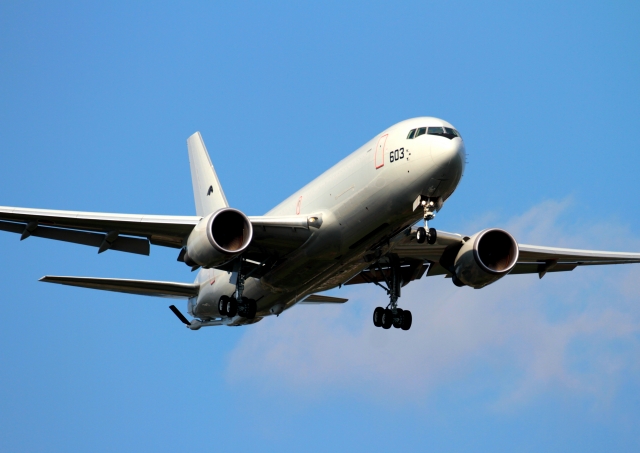
KC-767で東京沖縄が3,000円以内ならいいわな笑
窓ないけど、まぁ大丈夫か笑
26 Apr 2023

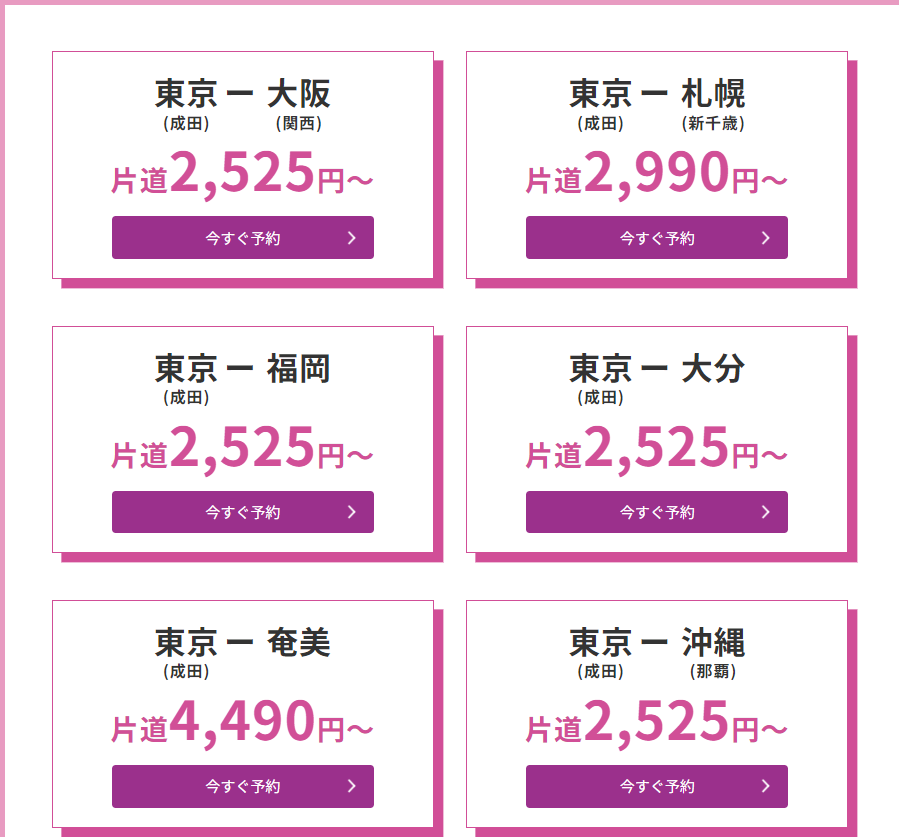
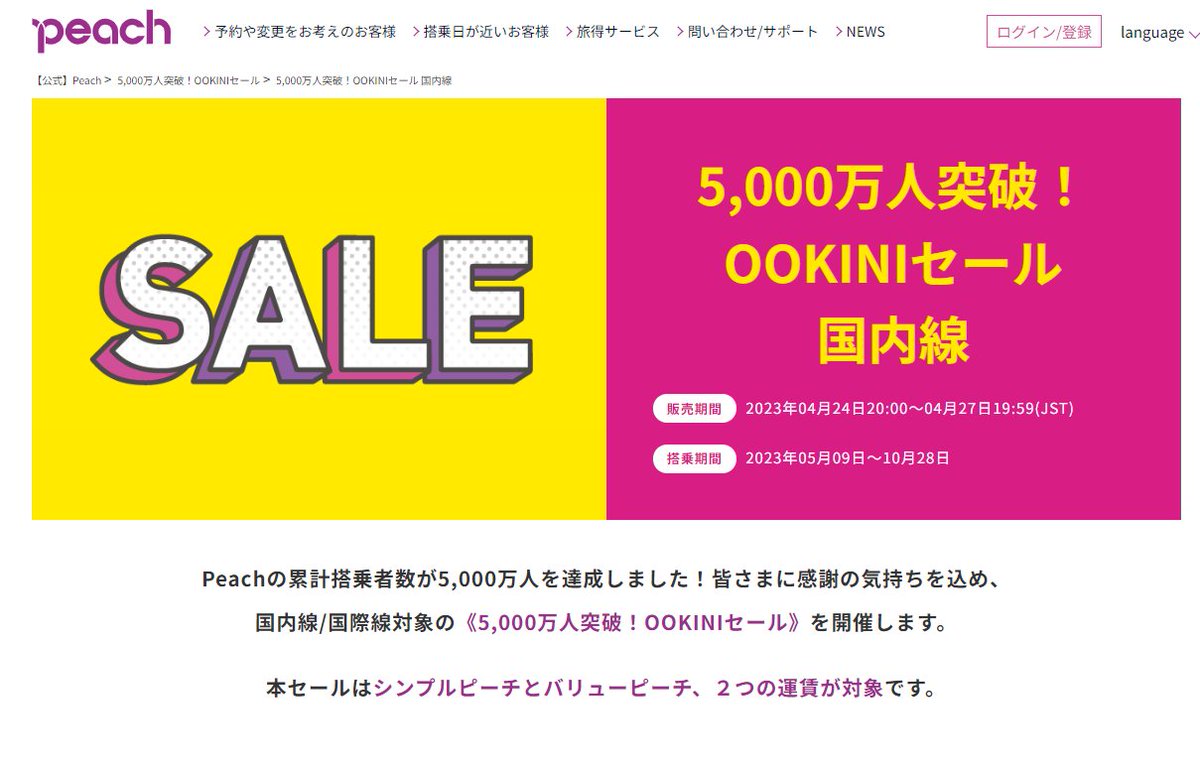
これはガチ。「東京→沖縄2,525円」「東京→札幌2,990円」航空券を格安ゲットできちゃうのはJALでもANAでもない。27日までキャンペーン中の『peach』。さらに、搭乗期間は10月28日までなので、夏休みに全国旅行支援も1泊3,000円OFFで利用できて、マジ最高。これよりもっとお得を知りたい人は…。
9
204
1,271
398,305
一文字c58 retweeted

貴方の名前が宇宙船に乗って
月の周りを回れる!!!🚀
NASAが実施しているキャンペーンの締め切りは
2026年1月21日(水)まで!
(アメリカ現地時間)
🚀 申し込みページ
nasa.gov/send-your-name-with…
名前とパスコードを入力するだけ!
30秒もかかりません!!!!
この機会を逃すな💥💥
2
166
347
149,592
一文字c58 retweeted

Jan 21
【ニュース】ロシア政府、“ロシア版『コール オブ デューティ』”の開発に「数百億円規模」の援助表明。「『CoD』はロシアを敵にしてばかりだ」として自前で作る
automaton-media.com/articles…

171
1,557
6,107
1,284,270
一文字c58 retweeted

Jan 20
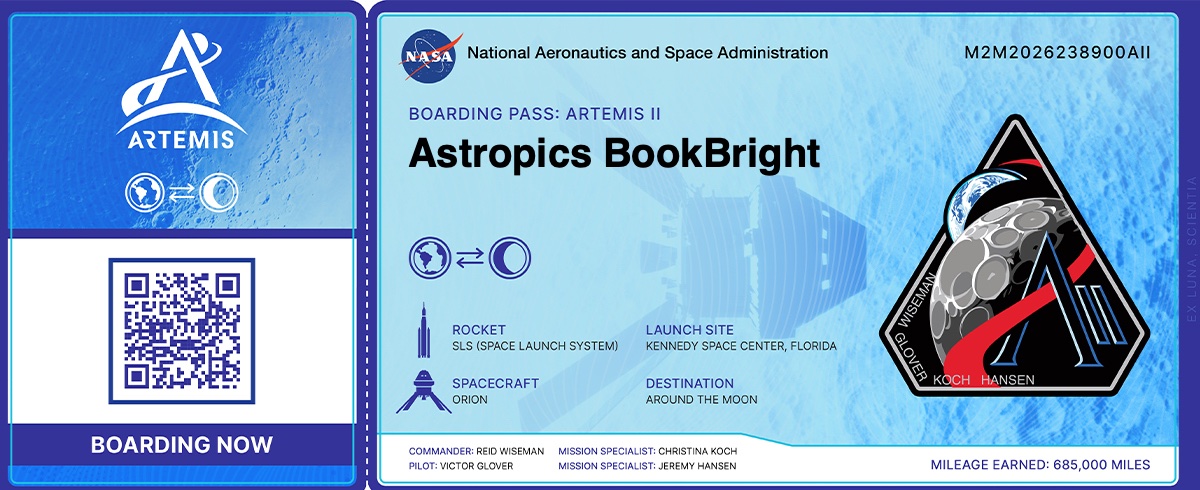
有人で月まで往復するNASAのアルテミス2ミッションでは、名前を登録することで、その名前がSDカードに記録されて4人の宇宙飛行士とともに月へ向かうことになります。登録すると「搭乗券」も発行されます。登録は1月21日までとのことですのでお早めに。
astropics.bookbright.co.jp/b…
Jan 19

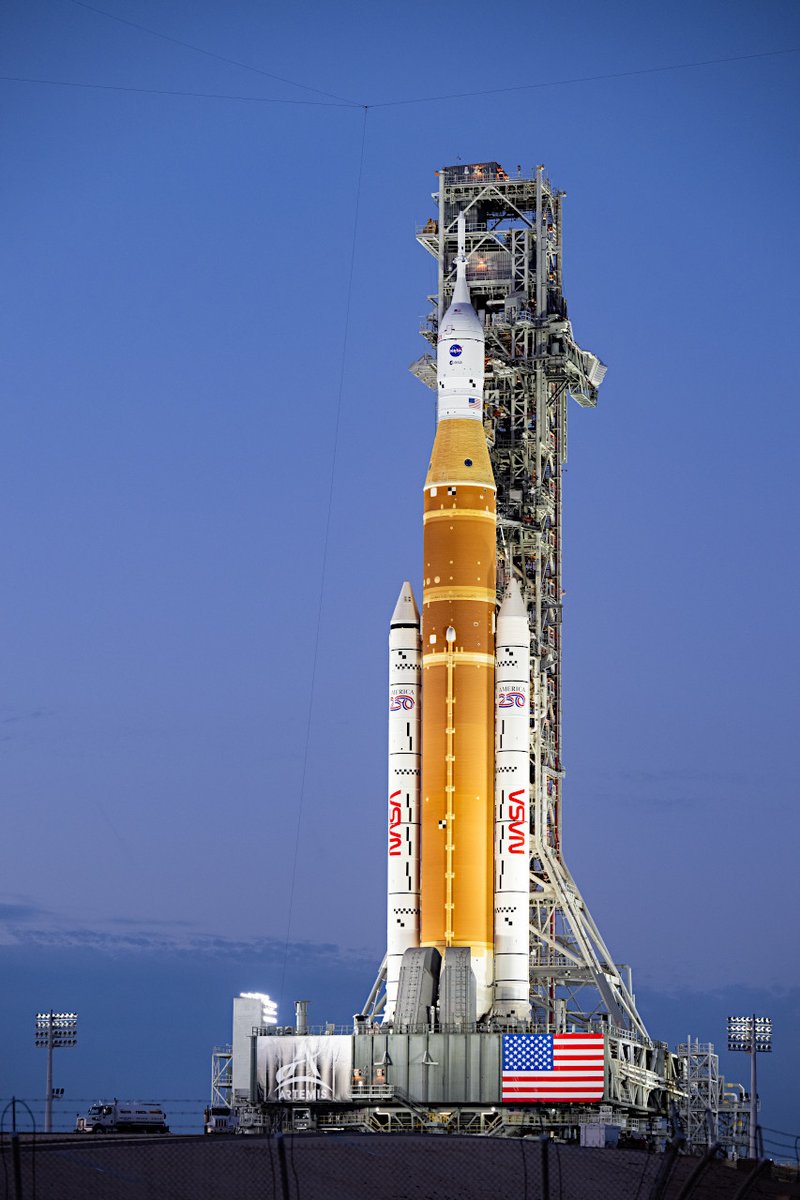
NASAのアルテミス2ミッションで打ち上げられるSLSロケットが射点(39B発射台)への移動を完了しました(写真)。アルテミス2は、4人の宇宙飛行士がオリオン宇宙船で月の裏側を回って帰還する約10日間のミッション。早ければ2月6日に打ち上げです。
Image Credit: NASA/Keegan Barber
(1/2)
3
941
2,533
359,441
一文字c58 retweeted

Jan 20
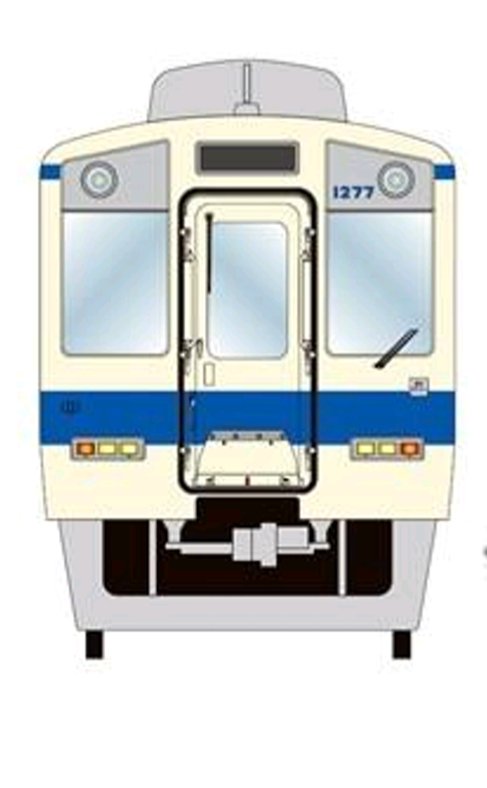
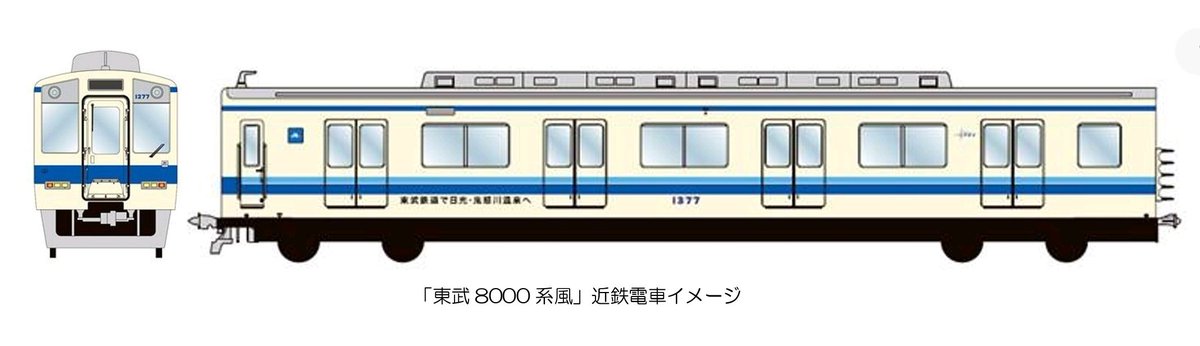
【速報!】
近鉄✕東武 東西エリア連携施策
車両外装デザインを“相互交換”
ラッピング車両運行へ
1月22日から
近鉄1252系2両1編成が
東武8000系風に!
奈良線・京都線などで運行
近鉄電車風東武車両は今春運行開始へ
(画像は近鉄リリースより)
63
2,494
6,479
702,873