
The official twitter account of Dr Tahir-ul-Qadri, Founding Leader and Patron-in-Chief of Minhaj-ul-Quran International (MQI), being run by his spokesperson.
Joined August 2009
- Tweets 7,795
- Following 10
- Followers 1,983,165
- Likes 0
892 Photos and videos






Feb 18
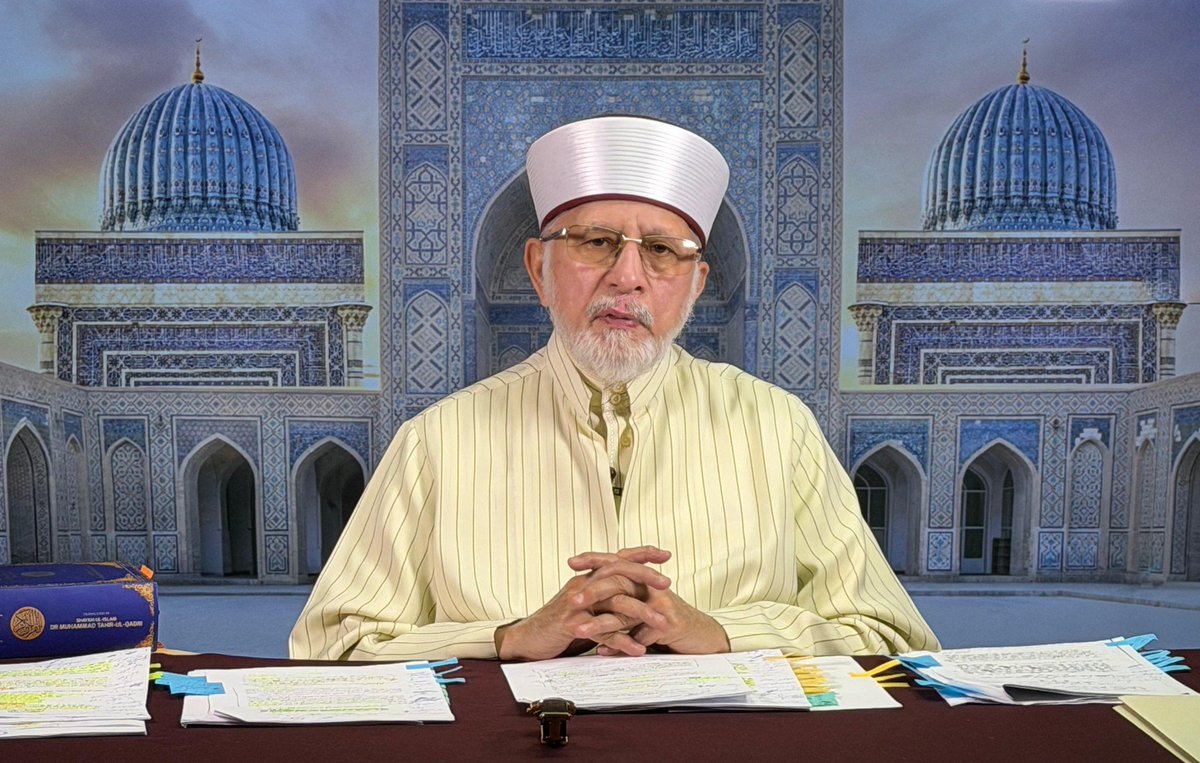
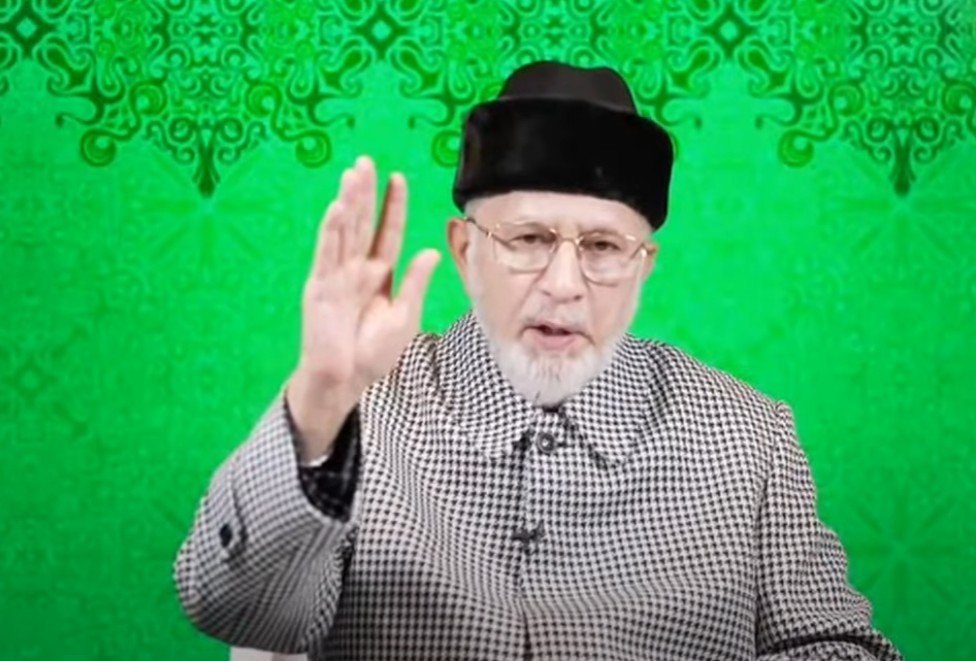
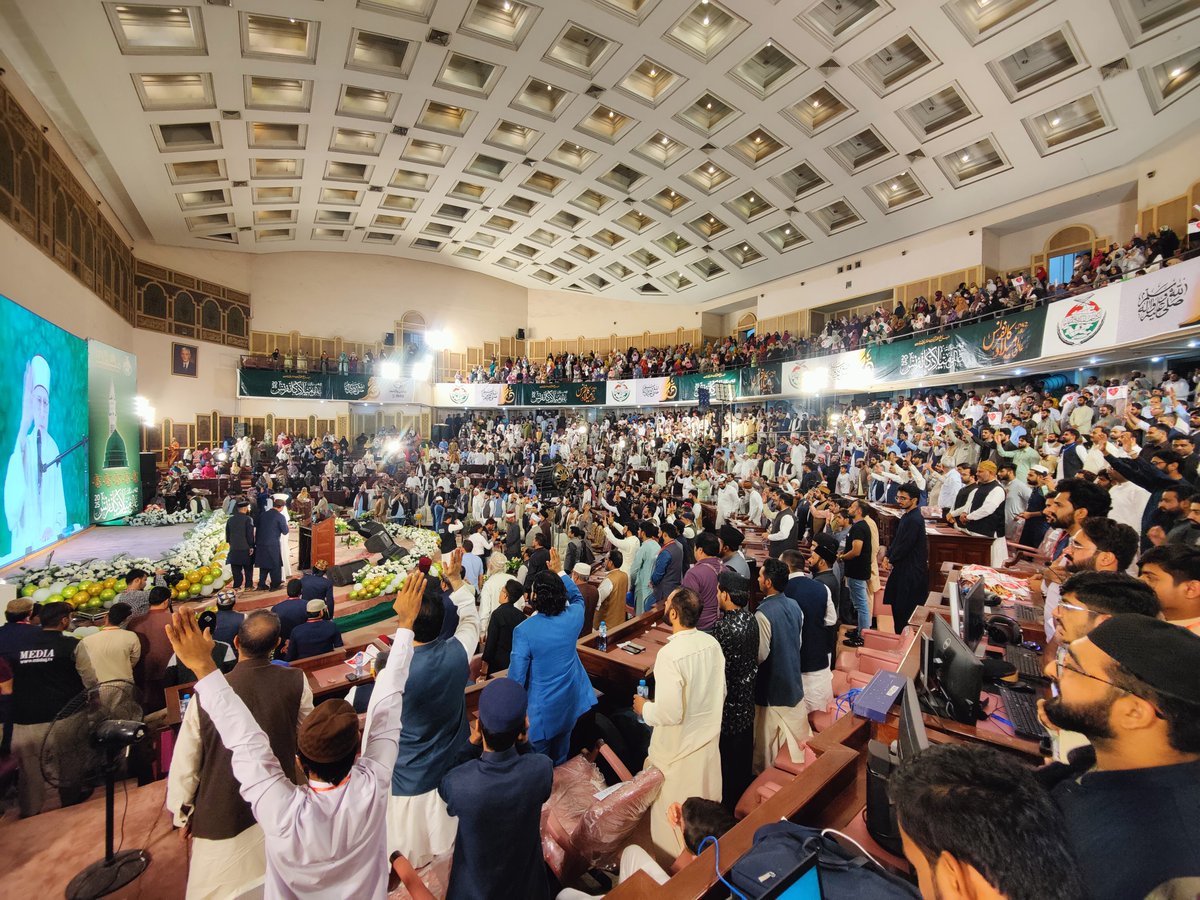
All praise be to Allah, the Lord of Majesty, who has once again blessed our lives with the blessings of the month of Ramadan. This sacred month brings divine mercy, showers of forgiveness, and glad tidings of salvation from the Hellfire.
As this blessed month arrives, I extend my heartfelt congratulations to Muslims around the world. I pray that the Most Generous Lord grants us the ability to honor its sanctity and conduct ourselves properly, to truly benefit from its spiritually uplifting moments, and to reach the highest level of piety and God-consciousness. Amen
#Ramadan2026 #RamadanKareem
30
108
306
4,866
Feb 15
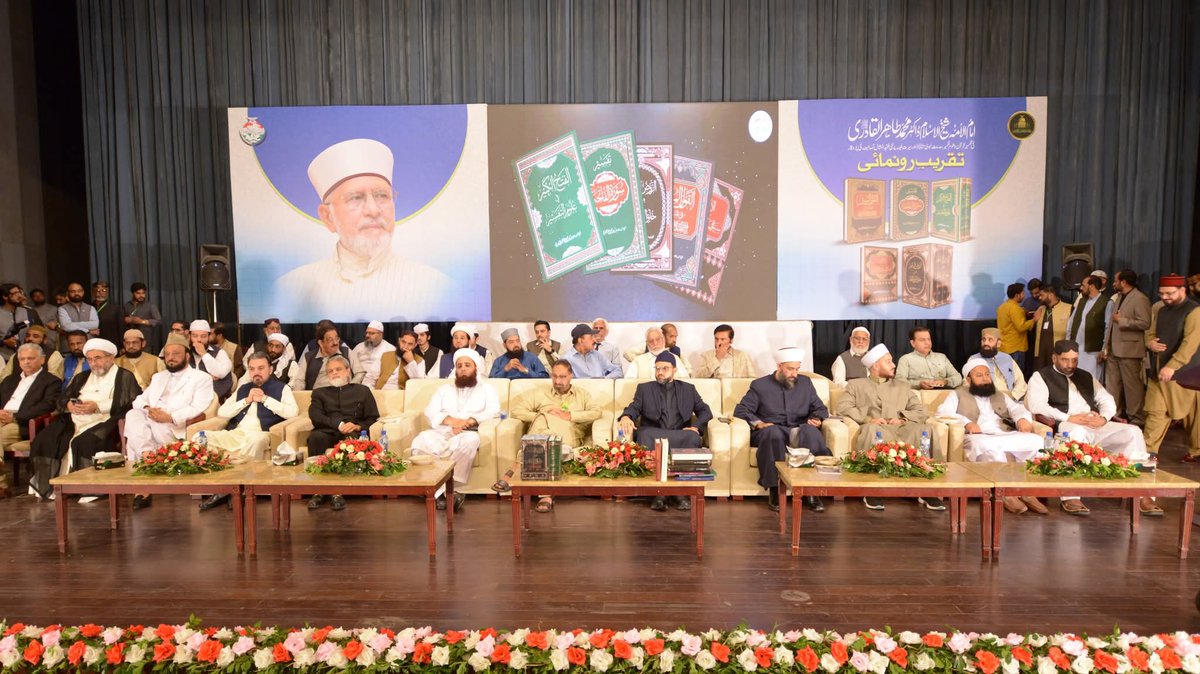
I extend my heartfelt congratulations to Prof. Dr. Hussain Mohi-ud-Din Qadri on receiving the UNESCO Chair on Peace Education and Intercultural Dialogue, a distinction conferred for the first time in Pakistan.
This achievement is not merely personal; it reflects the collective peacebuilding efforts of Minhaj-ul-Quran International and Minhaj University Lahore. For years, we have strived to promote dialogue, harmony, and mutual understanding among cultures and communities.
I pray that this Chair becomes a stronger platform to advance the mission of peace with renewed dedication, deeper scholarship, and greater global impact. May Allah grant success in serving humanity through knowledge, wisdom, and dialogue.
#DrTahirulQadri #DrQadri #ShaykhulIslam #UNESCO #ChairforPeace #Peace #Education #Intercultural #Dialogue #DrHussainQadri
40
120
188
2,324
Three Paths to Wakefulness of the Heart | Shaykh-ul-Islam Dr. Muhammad Tahir-ul-Qadri
A concise reflection on cultivating inner awareness: confronting the self honestly, detaching from what lowers the soul, and remaining constant in the remembrance and command of Allah.
Join the blessed company of Shaykh-ul-Islam Dr. Muhammad Tahir-ul-Qadri at Al-Hidayah 2026
📍 McMaster University, Hamilton, Ontario, Canada
📅 August 1–3, 2026
Register: al-hidayah.camp/
#AlHidayah2026 #Taqwa #SpiritualAwakening #SelfPurification #MinhajulQuran
53
110
178
2,638
Today is that magnificent and blessed night when Allah Almighty (ﷻ), opens the doors of His boundless mercy. It is a night of #devotion, #repentance, turning back to Him, and renewing one’s covenant with Him.
On this blessed night, the deeds of His servants are presented; decisions regarding sustenance, lifespan, and matters of destiny are decreed; and the Most Merciful Lord, out of His grace, forgives the sins of His creation.
Every moment of life is a sacred trust, and the door to making amends for our shortcomings has not yet closed. Whoever returns to #Allah (ﷻ) with a broken heart, sincere remorse, and true repentance is enveloped in the shade of Divine mercy.
#ShabeBarat
24
125
387
12,343
Minhaj-ul-Quran International Canada proudly presents: al-Hidayah 2026! An exclusive al-Hidayah is coming to North America for the first time in 20 years.
📅 Dates: Saturday 1st August to Monday 3rd August 2026
📍 Location: McMaster University, Hamilton, ON, Canada
✨Join us for a 3-day residential spiritual retreat in the company of His Eminence Shaykh-ul-Islam Dr Muhammad Tahir-ul-Qadri, featuring lectures, workshops, dhikr, exhibitions, and stalls.
🔗 Register now: al-hidayah.camp/registration… spaces • Residential camp • Secure your place early
If you're in North America, don’t miss this life-changing opportunity.
#AlHidayah2026 #ShaykhulIslam #TahirulQadri #Islam #Youth #DrQadri #DrHassanQadri #DrGhazalaQadri #ShaykhHammadQadri
45
125
210
3,681
Jan 16
As human intellect and consciousness have evolved, and as scientific inventions and discoveries have advanced, the analytical and inductive approaches that have emerged have made it relatively easier to understand the temporal and spatial dimensions of the event of Mi‘raj. As the light of knowledge and wisdom continues to spread, the reality of the Mi‘raj will become increasingly clear to hearts and minds, revealing itself in all its depth and detail.
#شب_معراج
38
125
253
7,999
Jan 14
Minhaj-ul-Quran International Canada proudly presents: al-Hidayah 2026!
An exclusive al-Hidayah is coming to North America for the first time in 20 years.
📅 Dates: Saturday 1st August to Monday 3rd August 2026
📍 Location: McMaster University, Hamilton, ON, Canada
✨Join us for a 3-day residential spiritual retreat in the company of His Eminence Shaykh-ul-Islam Dr Muhammad Tahir-ul-Qadri, featuring lectures, workshops, dhikr, exhibitions, and stalls.
🔗 Register now: al-hidayah.camp/registration…
Limited spaces • Residential camp • Secure your place early
If you're in North America, don’t miss this life-changing opportunity.
#AlHidayah2026 #ShaykhulIslam #TahirulQadri #Islam #Youth #DrQadri #DrHassanQadri #DrGhazalaQadri #ShaykhHammadQadri
49
142
218
3,296
Self-conceit and self-praise are deadly afflictions in which a person sees nothing beyond their own self. People of true faith never fall prey to self-conceit. Self-admiration and unwarranted flattery are actions that mislead the Nafs, and one should avoid these spiritual maladies as much as possible. Flattery has been strongly condemned by the Holy Prophet ﷺ, the Noble Companions ﷺ, and the righteous predecessors.
False praise and flattery ruin one’s deeds and good actions. It is narrated by Sayyiduna Anas ibn Malik ﷺ that the Messenger of Allah ﷺ said: Even if you were not to commit sins, the thing I fear most for you is self-conceit and self-admiration.
20
138
204
3,363
In this era, Minhaj-ul-Quran Women League is conveying the Mustafavi teachings to every corner of the world. On this historic occasion, I extend my heartfelt congratulations to all my daughters and sisters on the 38th Foundation Day. I pray to Allah Almighty to grant acceptance to the efforts of our sisters and daughters and to reward them with immense recompense. #38thYearsOfMWL
28
141
207
3,480
A person should regard life not merely as the passage of time, but as a divine trust, and should hold himself accountable at every moment for his words and actions, for he will be answerable before Allah regarding his beliefs, deeds, character, and social conduct.
The process of self-accountability is complete only when one safeguards the rights of others along with one’s own. Justice, integrity, trustworthiness, tolerance, and service to humanity are principles whose neglect warrants accountability. The younger generation must make knowledge and character their defining traits, for tomorrow depends upon the actions of today. A strong, just, and peaceful society emerges only when individuals practise self-accountability.
#JummahMubarak
47
139
224
4,235
31 Dec 2025
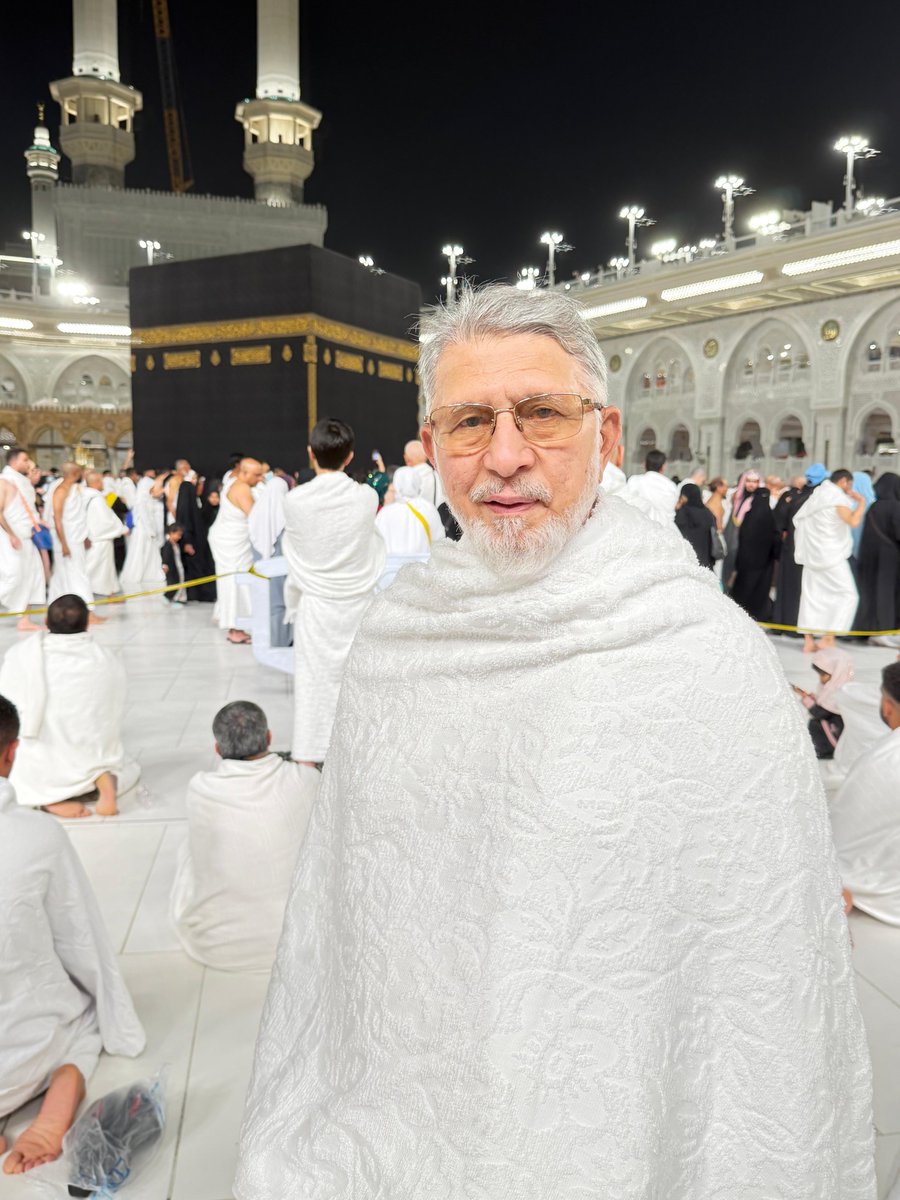
لَبَّيْكَ اللَّهُمَّ لَبَّيْكَ لَبَّيْكَ لاَ شَرِيْكَ لَكَ لَبَّيْكَ إِنَّ الْحَمْدَ وَالنِّعْمَةَ لَكَ وَالْمُلْكَ لاَشَرِيْكَ لَكَ
His Eminence Shaykh-ul-Islam Dr Muhammad Tahir-ul-Qadri has been blessed with the opportunity to perform #Umrah.
After completing the sacred rites, he offered special prayers in the Divine Court for the peace, progress, and stability of Pakistan, as well as for the unity, prosperity, and well-being of the Muslim Ummah.
147
283
2,050
47,562
29 Dec 2025
In #Islam, “Infaq fi al-Māl” refers to spending one’s #wealth or resources purely for the sake of #Allah to alleviate the economic deprivation of financially disadvantaged individuals. Infaq fi al-Māl is a practical manifestation of benevolence and compassion. The finest example of Infaq fi al-Māl is the Mu’ākhāt of Madinah, for no more beautiful model of love for humanity and fraternal solidarity can be presented.
13
98
167
3,160
27 Dec 2025
Islam is the only divine way of life that has provided humanity with a comprehensive economic system for its welfare and well-being. The structure of the #Islamic financial system rests on the pillars of brotherhood (muwākhat) and collective prosperity. Islam has established a definite right for the economically deprived within the wealth we earn—a right that is not merely moral or advisory, but obligatory and legal. Financial support for the underprivileged is not a voluntary act of virtue; rather, it is a mandatory duty, and failure to fulfill it is unlawful and a punishable offense.
#Allah Almighty commands in the Holy Qur’an to give to orphans, those who ask, the needy, relatives, the poor, the destitute, and travellers—meaning that they must be included in one’s prosperity. The teachings of the Prophet of Islam ﷺ are not confined to individual welfare alone; they are meant for the collective good and well-being of the entire #Ummah.
8
110
192
3,335
25 Dec 2025
25 December marks a day in the Subcontinent’s history when the Muslim Ummah was bestowed a leader who embodied truthfulness in character, steadfastness in thought, and principled leadership. His birth anniversary reminds us that nations are built on character, principles, and sacrifice. In the darkness of subjugation, #QuaideAzam lit the lamp of law, reason, and morality. Through constitutional struggle, democratic processes, and principled politics, he made the establishment of an independent state possible. The focus of his politics was not merely the pursuit of power and authority but the right to self-determination, social justice, and human dignity.
Quaid-e-Azam declared that #Pakistan would be founded on justice, that minorities would be protected, and that the state would make no distinction among its citizens on the basis of religion, race, or language. These principles represent a beautiful synthesis of Islamic teachings and modern state values. For Quaid-e-Azam, Unity, Faith, and Discipline were not mere slogans but a practical code of life. He united a fragmented nation around a single vision, transformed despair into hope, and turned bondage into freedom. Today, we must reflect on whether we have safeguarded the constitutional, moral, and intellectual path he laid down. Have we built Pakistan into the welfare-oriented, peaceful, and dignified state that Quaid-e-Azam envisioned?
In today’s challenging times, there is a pressing need not to confine Quaid-e-Azam’s thought to speeches and commemorative events but to implement it in our politics, economy, education, justice system, and state governance. Pakistan will become truly strong only when the supremacy of the Constitution, the rule of law, and ethical leadership are actively promoted.
#QuaidDay #25December
14
97
172
3,260
15 Dec 2025
The world is like a shadow: if you chase it, you'll never catch it, but if you turn away, the shadow will follow you. Pursuing the #world will never truly satisfy you—only your endless #desires will wear you out and bring humiliation. However, if you turn away from the world, it will start to follow you. #Allah has not sent humans just to earn the world, but to prepare for the #Hereafter.
69
163
275
6,994
14 Dec 2025
In recounting the event of the Hijrah, the Holy Qur’an states: “The second of the two (emigrants) when the two of them (i.e. the Messenger (blessings and peace be upon him) and Abu Bakr) were in the cave (of Mount Thawr), he (the Prophet (blessings and peace be upon him) said to his companion (Abu Bakr): ‘Do not worry, surely Allah is with us.’” Through this divine testimony, the Qur’an affirms the selflessness, sacrifice, loyalty, and devotion of Hazrat #AbuBakr Siddiq (RA) at that crucial moment, and unequivocally endorses his precedence in serving the Messenger of Allah ﷺ, his distinguished status as a Companion, and his close connection to the Prophet ﷺ. His early acceptance of faith, his unparalleled sacrifices of wealth and life, and his steadfast support during the most dangerous times stand as shining proof of the strength and perfection of his faith.
67
155
257
7,040
10 Dec 2025
Human rights are not merely an international doctrine, they are the universal language of humanity that leads the world toward #Peace, #Justice, and #Equality. The Prophet of Islam ﷺ elevated the dignity and sanctity of a human being above even the sacred House of Allah, the Ka‘bah, thereby establishing the necessity, importance, and indispensability of human rights far beyond conventional debate and discourse.
#HumanRightsDay
87
272
593
40,594
27 Nov 2025
Tears shed in the presence of Allah Almighty are a blessing—there is no act more beloved to Him than this.
#ThoughtoftheDay
19
118
230
6,995
21 Nov 2025
Showing respect, humility, and gentleness toward one’s parents is not just a moral duty; it is a divine command. By forbidding even the expression of “uff,” which is the mildest, soundless sign of displeasure, Allah has made it clear that any word, gesture, or even a look that could hurt the hearts of parents—regardless of how subtle—is entirely unacceptable.
#JummahMubarak #Parenting
14
126
216
6,354
15 Nov 2025
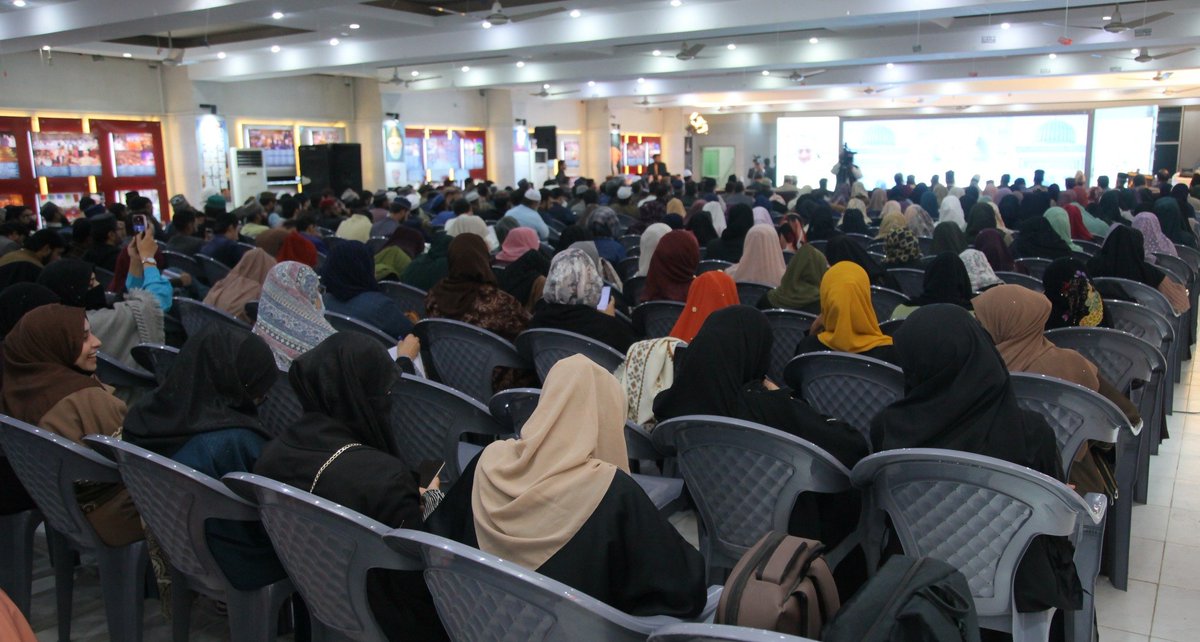
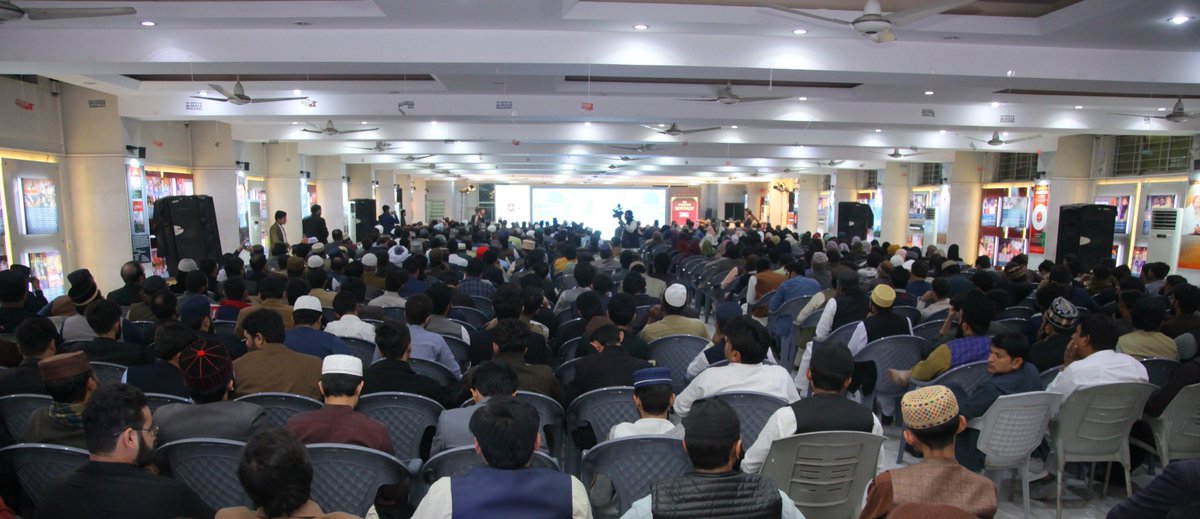
“Inviting others to Islam is a personal obligation (Farz-e-Ain) on every Muslim; neglecting it will make one answerable before Allah,” says His Eminence Shaykh-ul-Islam Dr. Muhammad Tahir-ul-Qadri.
Addressing a special interactive session with scholars, researchers, and PhD/MPhil students from across the country, Shaykh-ul-Islam Dr. Muhammad Tahir-ul-Qadri (دامت برکاتہم العالیہ) emphasized that Dawat-e-Deen is a great obligation in Islam—one that is individually binding upon every Muslim. He stated that Qur’anic verses and Prophetic traditions clearly establish that, just as prayer, fasting, zakat, and Hajj are obligatory upon every believer, similarly, inviting others towards good, forbidding evil, and conveying the message of truth is also an individual duty upon every Muslim.
He further clarified that although some jurists considered this duty as a collective obligation (farz-e-kifayah) due to the word “مِنْ” in the verse “وَلْتَكُن مِّنكُمْ أُمَّةٌ”, authentic research shows that the word “مِنْ” here is explanatory, meaning the entire Ummah is included in this command. If this duty were considered collective, then even belief in Allah could fall under collective obligation, which is impossible.
Referring to the Hadith of the Prophet ﷺ “مَنْ رَأَى مِنْكُمْ مُنْكَرًا...”, he explained that removing evil places a practical and moral responsibility on every individual. Likewise, the command “بَلِّغُوا عَنِّي وَلَوْ آيَةً” proves that every Muslim must participate in spreading goodness. Shaykh-ul-Islam warned that in today’s age, when society is overwhelmed by moral and social corruption, this obligation has become more critical than ever. Neglecting it, he said, results in divine consequences: unjust rulers are imposed, and supplications go unanswered.
Commenting on the Qur’anic verse “وَمَنْ أَحْسَنُ قَوْلًا مِّمَّن دَعَا إِلَى اللّٰهِ”, he described the essential qualities of a true Da‘i: one who invites to Allah, acts righteously, and maintains consistency between words and actions. Gentleness, patience, tolerance, and self-control are foundational traits of a caller to Allah, whereas Satan incites anger and reaction—thus seeking Allah’s protection is necessary.
Shaykh-ul-Islam stressed that every Muslim must adopt the resolve: “I am a Da‘i” and contribute to the moral and spiritual uplift of their home, family, and society. Participating in Dawat-e-Deen, he said, is not only an obligation but the only path to the Ummah’s survival and spiritual advancement.
The scholarly session was attended by Shahid Lateef Qadri (President Minhajians), Haji Amin-ul-Haq Qadri, Prof. Dr. Mumtaz-ul-Hassan Barvi, Noor Ullah Siddique, Dr. Farooq Rana, Ain-ul-Haq Baghdadi, Jawad Hamid, Mazhar Mahmood Alvi, Abdul Sattar Minhajian, Dr. Hafiz Zaheer Ahmad al-Asnadi, Shaykh Farhan Aziz, Faiz Alam Qadri, Haji Muhammad Arshad, Muhammad Aftab Khan, Umar Daraz, and a large number of scholars, Mashā’ikh, and Minhajian graduates from across Pakistan.

36
162
269
4,974