
Emirati Writer 🇦🇪
Joined December 2011
- Tweets 61,375
- Following 6,412
- Followers 50,765
- Likes 119,974
8,893 Photos and videos





علي العامري retweeted

Manchester City 2-1 Newcastle: Premier League – as it happened | Premier League | The Guardian theguardian.com/football/liv…

3
261
علي العامري retweeted

#الحوثي يقرع طبول الحرب.. تحشيدات «كبيرة» على مختلف جبهات القتال
#عينك_على_العالم
al-ain.com/article/houthi-mi…

1
27
72
4,108
علي العامري retweeted

قصيدة الميراج اهداء لسيدي رئيس الدولة الشيخ محمد بن زايد آل نهيان الله يحفظه
محبوبتي وان جردت سيف و سنان
وسنان طرف عيونها عاشقنه
هي بنت من بالنار و المطرقه لان
وانا نصل من هو ملاعب الأسنه
محمد اللي سلّنا ماضي طعّان
أغمادنا حر الكبود و أكنّه
نفلق بعزمه صلاد صخرٍ و صوان
نرقى السماك الرامح وبه الاعنه
و محمد اللي عدنا عد فرسان
نغشى الطحان و نتقن اسلوب فنه
لبيه لك لبيه شيبٍ و شبان
سمعٍ و طاعه فرض حبٍ و سنه
ويا شيخ خبرك باقين مثل ما كان
نقش نقشته في الصغر حافظنه
وبنت الحديد اللي علي عقص نيران
مقلود أفزر خصرها شابرنه
مجنحه و انا لها موس جنحان
أبرِق بها و لها من الرعد دنّه
سلام يا ميراج لابة نهيان
مشكور من أرخى لج الكيس فنّه
ما قاس في ربحه من المال خسران
كنّه دفع فيها مهر حور جنّه
شهبا مرنقط لونها كن ثعبان
متأبطه شرٍ و سيف تسنه
قرنا و لا إلها على الرهوه أقران
كاساتها كمٍّ خصيمٍ سقنه
سم المنايا من صواريخ نيبان
زعاف ما يوحي الذي ادركنه
كنه جدايلها لهبهن اذا بان
شقايق النعمان عانق سمنّه
والله لو تويِق على آنو شروان
خلت خورنقهم تحت دك كنه
سلهم بها و اكبد خصيمٍ و خوان
و الغدر لا تأسى على اللي يشنه
وانت الذي خبرك نبا كل ميدان
مصقلات الهند عنك رونه
ما ينجحد تاريخ فعلك و ما كان
مجدك نواميس الدهر ما سلنّه
ياللي تبديك الفناجي برسلان
قطر الزمرد بالفخر زعفرنّه
7
22
61
7,429
علي العامري retweeted

في مبادرة هي الأولى على مستوى العالم لتطبيق برنامج الفحص المبكر للسرطان لأفراد المجتمع عن طريق الكشف عن الخلايا السرطانية بتقنيات حديثة في الدم , أطلقت دائرة الصحة – أبوظبي ومركز أبوظبي للصحة العامة في دولة الإمارات برنامجًا جديدًا ومبتكرًا للكشف المبكر عن عوامل الخطر لعدة أنواع من السرطان، وذلك من خلال فحص دم متقدم للكشف المبكر عن السرطان (اختبار متعدد السرطانات من عينة دم واحدة).
البرنامج متوفر لحاملي بطاقة ثقة من عمر ٤٠ عامًا فما فوق، ويُضاف إلى برامج الفحص القائمة حاليا، مع إمكانية الكشف المبكر عن أنواع من السرطان قد لا تُكتشف إلا بعد ظهور الأعراض، مثل سرطان البنكرياس، والكبد، والدماغ , المعدة والعديد من السرطانات الأخرى.ويُستثنى من البرنامج من لديه تاريخ مرضي مع السرطان، أو يخضع حاليًا لتقييم احتمال الإصابة بالسرطان.
مبادرة مهمة لجميع أفراد المجتمع فوق سن الأربعين والشكر موصول لقيادتنا الرشيدة على حرصها الدائم على صحة أفراد المجتمع.
16
119
325
63,043

الامارات تركت اليمن.. واليمن لم يترك الإمارات hattpost.com/الØ… via @@hattpost
1
7
24
968
يطوفون ليكسروا تحالفاته وفشلوا .. تحالفاته بنيت بالوفاء مع ناس يشبهونه بالصدق والالتزام والوفاء.
157
107
348
139,007
علي العامري retweeted

Jan 24
Peace in the Middle East
The Middle East has long suffered from cycles of hatred, racism, and terrorism. While poverty and lack of education in some areas contribute to instability, they are not the root causes of extremism. Hatred is cultivated, racism is inflamed, and terrorism emerges when these forces are deliberately nurtured and exploited.
What fuels this destructive cycle is not ignorance alone, but the calculated actions of states and actors that harness their financial, political, and media resources to support extremist organizations. These groups are not empowered by accident. They are used as tools to expand influence, destabilize societies, and undermine any serious prospect for peace. This is a dangerous strategy—one that removes the region from the path of stability and places it permanently on the edge of conflict.
The reality is no longer hidden. In the digital age, even the simplest open-source analysis can reveal who strengthens, funds, and protects terrorist movements such as the Muslim Brotherhood, ISIS, and al-Qaeda. The evidence is visible, documented, and repeatedly exposed. Western governments and international actors are well aware of these networks, yet too often choose silence—driven by economic interests, political calculations, or strategic convenience.
Peace in the Middle East is not a fantasy. It is possible between Arabs and Israelis. It is possible between Sunni and Shiite communities. It is possible between Arabs and all other ethnic and religious groups. But peace cannot coexist with double standards, nor can it grow while financiers of terror and instigators of hatred are left unchallenged.
The question is no longer who is responsible—many already know the answer. The real question is: how long will the world remain silent about the major sponsors of terrorism in the Middle East? Silence does not buy stability; it only delays accountability and deepens the cost of future conflict.
True peace begins when truth is acknowledged, extremism is confronted without hesitation, and moral responsibility outweighs short-term interests.
Dr. Ali Alamri
Dubai , UAE
#UAE
#Israel
#USA
#Terrorism #Saudi
#MuslimBrotherHood
#ISIS
#Alqaeda
8
24
81
5,425
علي العامري retweeted
10 Apr 2024
فيديو يجب ان يشاهده كل اماراتي ويفتخر بدولته ، ويجب ان يشاهده كل عربي ليفهم الحقيقة التي تحجبها عنه وسائل الاعلام المضللة..
#الفارس_الشهم3
#الامارات_بلد_الانسانية
24
147
266
18,230
علي العامري retweeted

Feb 20
UAE Solar Plant Achieves Round-the-Clock Energy Supply With Advanced Storage
by @Sajwani
#Sustainability #TechForGood #CleanEnergy
15
261
156
6,315
علي العامري retweeted

Feb 20
اليد البيضاء للإمارات في بلادي 🇮🇶🙏🏻🇦🇪.
@emiratesrc

الهلال الأحمر الإماراتي يقدم مأدبة إفطار للصائمين في الجامع النوري، وفي العوجات القديمة بمدينة الموصل، بعد أنقطاع دام نحو تسع سنوات 🇦🇪🇮🇶.
9
12
29
5,106
علي العامري retweeted

Feb 20
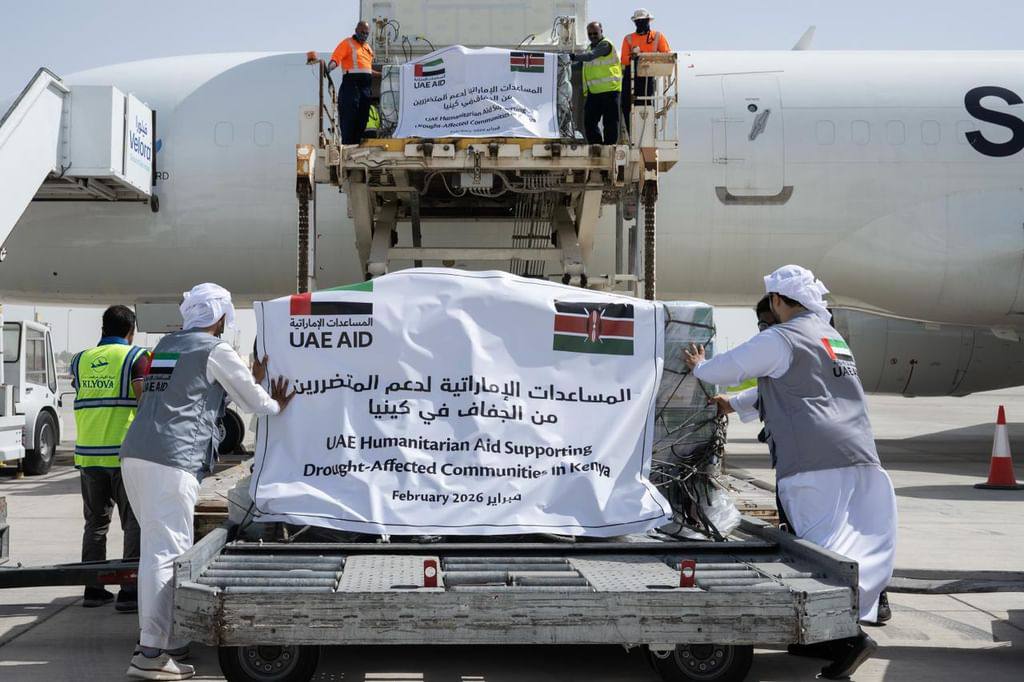
دعما للمتضررين من الجفاف .. الإمارات ترسل 30 طناً من المساعدات الغذائية إلى كينيا.
#مصدر_للأخبار
4
20
32
9,152
Feb 20
A Calm Reading of the Justifications for the Media Attack on the UAE
The Saudi media attack on the United Arab Emirates is unjustified. Nevertheless, some Saudi writers have attempted to explain it by linking the dispute to two main files: the Yemeni file and the Sudanese file. However, this argument appears weak and does not withstand scrutiny even on social media, so how can it be promoted through official media?
Regarding Yemen, the UAE is a member of the international Quartet alongside Saudi Arabia, the United Kingdom, and the United States. This framework constitutes the legitimate umbrella for any formal political arrangements within Yemen. The UAE participated at the request of the Yemeni legitimate government and within the Arab Coalition in operations that contributed to pushing back the Houthis from southern Yemen, under clear international cover.
In 2019, the UAE announced the redeployment and withdrawal of its forces from Yemen while continuing its humanitarian and charitable work. Subsequently, the Yemeni legitimate government requested the termination of any Emirati presence. Since then, the UAE has no longer been a field actor in the file, making it lacking in objectivity to hold it responsible for any later developments.
As for Sudan, the UAE is also a member of the international Quartet alongside the United States, Saudi Arabia, and Egypt. Abu Dhabi has repeatedly affirmed its support for a ceasefire, political dialogue, and the transfer of power to a civilian administration, while rejecting the unilateral control of Sudan’s future by any military party. It has also officially denied funding any side in the conflict, and no documented evidence has been presented to prove otherwise.
Accordingly, the UAE’s position in both files appears consistent with the decisions of the international frameworks in which it participates, and it points toward de-escalation and stability rather than complication or escalation.
For this reason, many observers seek to understand the real motives behind the media escalation, especially since the justifications presented do not appear sufficient to explain its intensity.
UAE–Saudi relations are greater than any temporary divergences, and the hope remains that any differences if they exist will be managed with political wisdom away from media escalation, preserving the weight of both countries and their pivotal role in regional stability.
Feb 20

قراءة هادئة في تبريرات الهجوم الإعلامي على الإمارات
الهجوم الإعلامي السعودي على دولة الإمارات غير مبرر، ورغم ذلك حاول بعض الكتّاب السعوديين تفسيره عبر ربط الخلاف بملفين رئيسيين: الملف اليمني والملف السوداني. إلا أن هذا الطرح يبدو ضعيف الحجة، ولا يصمد حتى أمام نقاشات وسائل التواصل، فكيف يُروَّج له عبر الإعلام الرسمي؟
في الملف اليمني، تُعد الإمارات عضوًا في الرباعية الدولية إلى جانب السعودية والمملكة المتحدة والولايات المتحدة، وهي المظلة الشرعية لأي ترتيبات سياسية رسمية داخل اليمن. وقد شاركت الإمارات بطلب من الشرعية اليمنية وضمن قوات التحالف العربي في العمليات التي أسهمت في دحر الحوثي من جنوب اليمن، وذلك تحت غطاء دولي واضح.
وفي عام 2019 أعلنت الإمارات إعادة انتشار قواتها وخروجها من اليمن، مع استمرارها في العمل الإنساني والخيري. لاحقًا، طلبت الشرعية اليمنية إنهاء أي وجود إماراتي، ومنذ ذلك الحين لم تعد الإمارات طرفًا ميدانيًا في الملف، ما يجعل تحميلها أي تداعيات لاحقة أمرًا يفتقر إلى الموضوعية.
أما في الملف السوداني، فالإمارات أيضًا عضو في الرباعية الدولية مع الولايات المتحدة والسعودية ومصر. وقد أكدت أبوظبي مرارًا دعمها لوقف إطلاق النار، والدخول في حوار سياسي، وتسليم السلطة لإدارة مدنية، ورفضها لانفراد أي طرف عسكري بمستقبل السودان. كما نفت رسميًا تمويل أي طرف في النزاع، ولم يُقدَّم دليل موثق يثبت خلاف ذلك.
بناءً على ذلك، يتضح أن الموقف الإماراتي في الملفين منسجم مع قرارات الأطر الدولية التي تشارك فيها، ويصب في اتجاه التهدئة والاستقرار، لا التعقيد أو التصعيد.
لهذا، يتطلع كثير من المراقبين إلى فهم الدوافع الحقيقية وراء التصعيد الإعلامي، خصوصًا أن التبريرات المطروحة لا تبدو كافية لتفسير حدته.
إن العلاقات الإماراتية السعودية أكبر من أي تباينات مرحلية، ويظل الأمل أن تُدار الخلافات إن وجدت بحكمة سياسية بعيدًا عن التصعيد الإعلامي، حفاظًا على ثقل البلدين ودورهما المحوري في استقرار المنطقة.
علي العامري
3
9
22
2,397
علي العامري retweeted

Feb 20
بشراكة إماراتية بحرينية.. إرسال شحنة إغاثية عاجلة تزن 100 طن لدعم الشعب الفلسطيني في غزة
#وام
wam.ae/a/byu3lh0

52
68
4,285
Feb 20
#مطار_الكويت
كل التوفيق للشقيقة #الكويت
Feb 20

🔴 دولة الكويت تستعد لافتتاح مبنى مطار الكويت الدولي الجديد، الذي يُعد أحد أضخم وأحدث المطارات في العالم 🇰🇼
5
25
123
7,819
Feb 20
قراءة هادئة في تبريرات الهجوم الإعلامي على الإمارات
الهجوم الإعلامي السعودي على دولة الإمارات غير مبرر، ورغم ذلك حاول بعض الكتّاب السعوديين تفسيره عبر ربط الخلاف بملفين رئيسيين: الملف اليمني والملف السوداني. إلا أن هذا الطرح يبدو ضعيف الحجة، ولا يصمد حتى أمام نقاشات وسائل التواصل، فكيف يُروَّج له عبر الإعلام الرسمي؟
في الملف اليمني، تُعد الإمارات عضوًا في الرباعية الدولية إلى جانب السعودية والمملكة المتحدة والولايات المتحدة، وهي المظلة الشرعية لأي ترتيبات سياسية رسمية داخل اليمن. وقد شاركت الإمارات بطلب من الشرعية اليمنية وضمن قوات التحالف العربي في العمليات التي أسهمت في دحر الحوثي من جنوب اليمن، وذلك تحت غطاء دولي واضح.
وفي عام 2019 أعلنت الإمارات إعادة انتشار قواتها وخروجها من اليمن، مع استمرارها في العمل الإنساني والخيري. لاحقًا، طلبت الشرعية اليمنية إنهاء أي وجود إماراتي، ومنذ ذلك الحين لم تعد الإمارات طرفًا ميدانيًا في الملف، ما يجعل تحميلها أي تداعيات لاحقة أمرًا يفتقر إلى الموضوعية.
أما في الملف السوداني، فالإمارات أيضًا عضو في الرباعية الدولية مع الولايات المتحدة والسعودية ومصر. وقد أكدت أبوظبي مرارًا دعمها لوقف إطلاق النار، والدخول في حوار سياسي، وتسليم السلطة لإدارة مدنية، ورفضها لانفراد أي طرف عسكري بمستقبل السودان. كما نفت رسميًا تمويل أي طرف في النزاع، ولم يُقدَّم دليل موثق يثبت خلاف ذلك.
بناءً على ذلك، يتضح أن الموقف الإماراتي في الملفين منسجم مع قرارات الأطر الدولية التي تشارك فيها، ويصب في اتجاه التهدئة والاستقرار، لا التعقيد أو التصعيد.
لهذا، يتطلع كثير من المراقبين إلى فهم الدوافع الحقيقية وراء التصعيد الإعلامي، خصوصًا أن التبريرات المطروحة لا تبدو كافية لتفسير حدته.
إن العلاقات الإماراتية السعودية أكبر من أي تباينات مرحلية، ويظل الأمل أن تُدار الخلافات إن وجدت بحكمة سياسية بعيدًا عن التصعيد الإعلامي، حفاظًا على ثقل البلدين ودورهما المحوري في استقرار المنطقة.
علي العامري
177
92
237
34,058
علي العامري retweeted
Feb 20
"جلوبال ساوث يوتيليتيز" الإماراتية تمد 28 ألف منزل بالطاقة النظيفة في أرض الصومال وتطلق مبادرة "بربرة الخضراء"
#وام
wam.ae/a/byu3ktm

121
250
7,554
علي العامري retweeted

Feb 20
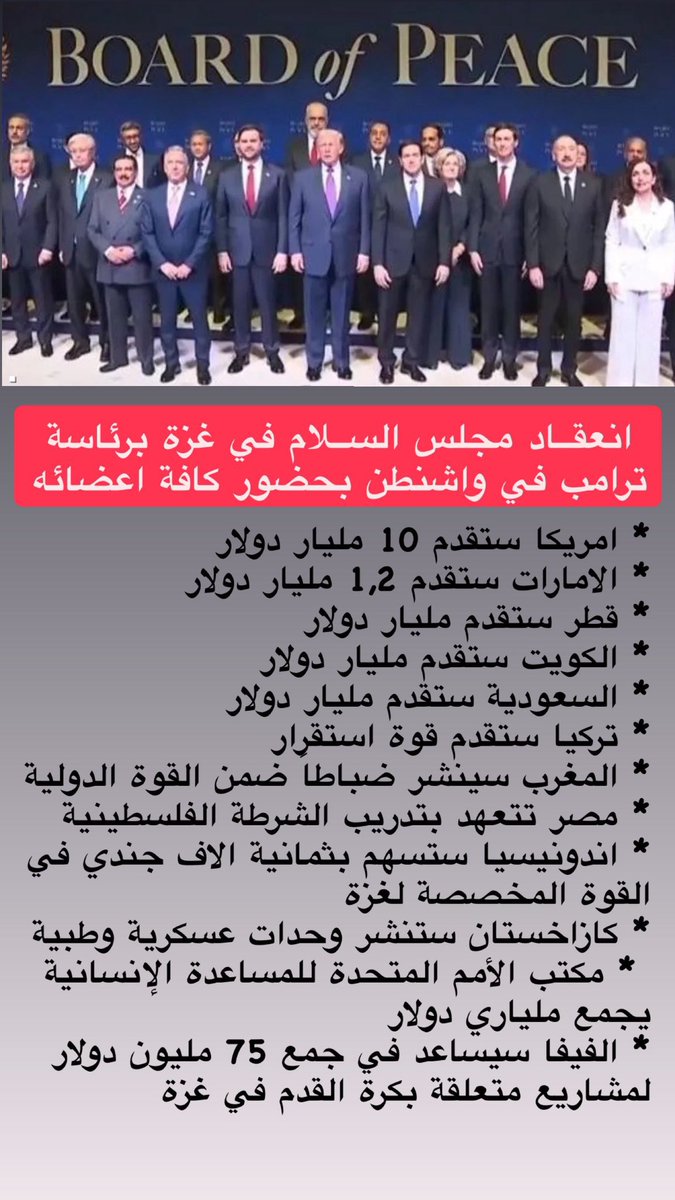
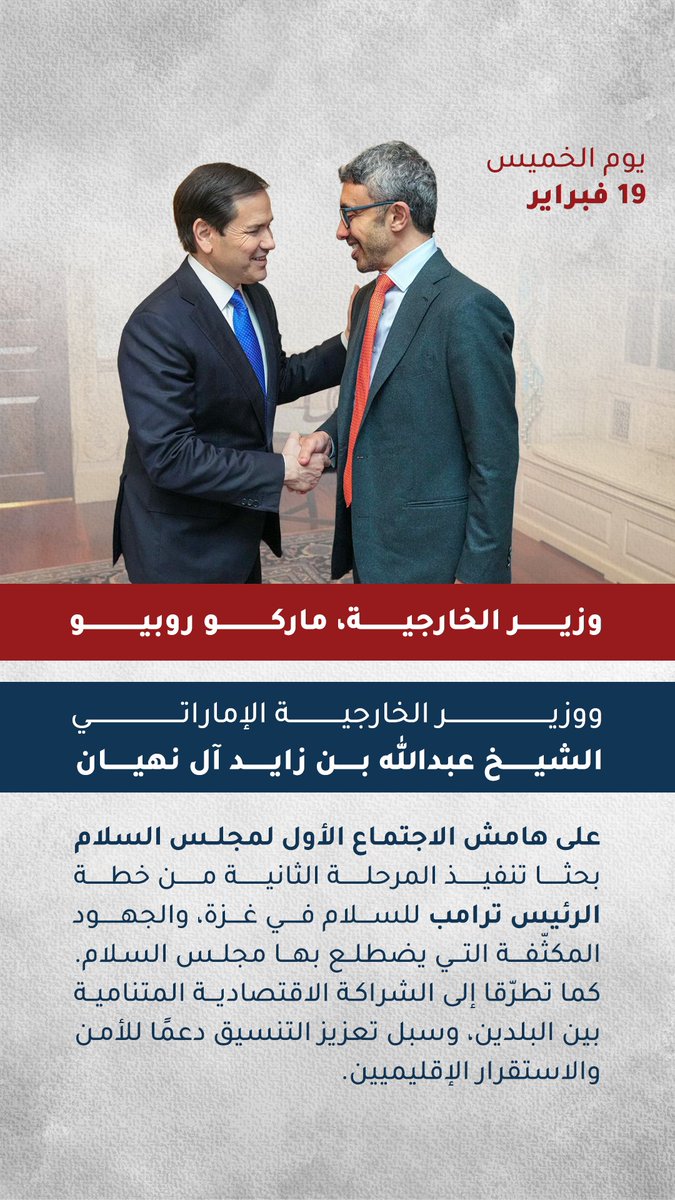
لقاء وزير الخارجية ماركو روبيو مع نظيره الإماراتي الشيخ عبدالله بن زايد آل نهيان على هامش الاجتماع الأول لمجلس السلام @ABZayed
36
127
344
18,203
علي العامري retweeted

Feb 19
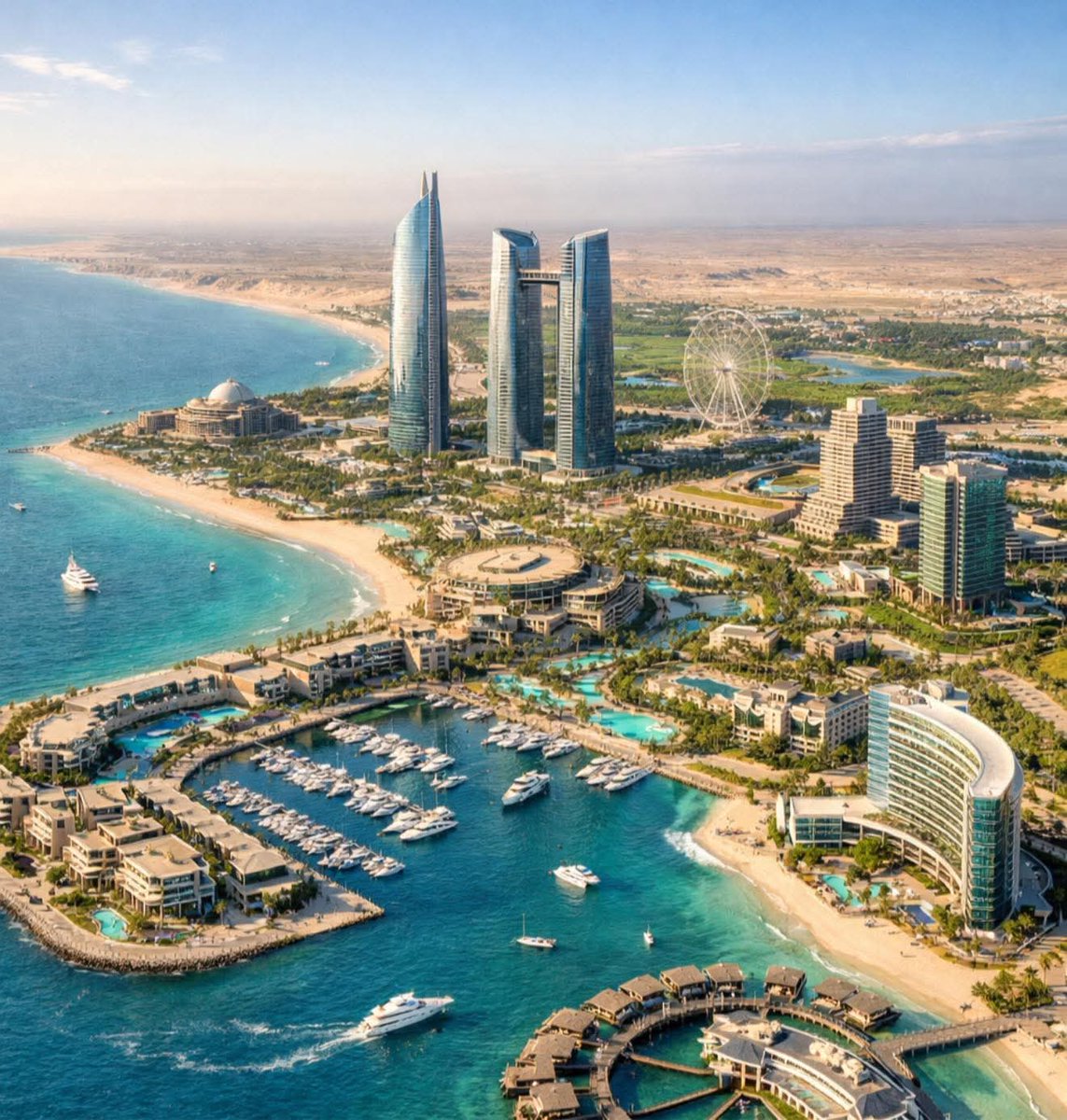
🔴- 🇲🇦🇦🇪| المغرب يطلق مشروعاً سياحياً ضخماً في الكويرة بدعم إماراتي
يرتقب أن يشمل المشروع إحداث مارينا سياحية كبرى مخصصة لرسوّ اليخوت والزوارق الفاخرة، إلى جانب أرصفة مائية ومرافق للأنشطة البحرية والرياضات المائية،
13
97
486
17,761