

أقِم بنيان روحِك تَقم لكَ الدنيا كلها مُنصاعةً أمامك
Joined January 2026
- Tweets 501
- Following 22
- Followers 4
- Likes 643
Photos and videos

1h
انا نص سنين الجامعة بقروبات المواد

كلكم تتكلمون عن الاتكاليه بس محد يتكلم عن لما تدخلين مع قروب ذكيات
اقسم بالله مب فاهمه شي وش قاعده تقولين
19


1h
بعد العشاء افعل ما تشاء ههههههههههههههههههههههههههه
1h

خلصت دلال وبلشت اصوم اليوم، ما في تيك توك ما في اغاني ما في ملهيات الحياة الدنيا ✋️✋️✋️😵💫
1
8
1h
خلصت دلال وبلشت اصوم اليوم، ما في تيك توك ما في اغاني ما في ملهيات الحياة الدنيا ✋️✋️✋️😵💫
19
11h
تعرف ايش اسوء اشي
لما شخص عنده امتيازات يحكي معك
ممننفصصصلل عن الواقع
زي كانها هذاك الميم
If you're homeless just buy a house
11
Feb 21
القصة صايرة ترتيب 1 تحت نص الهاشتاقات وحاسة بالمسؤولية هههههههههههههههههههههههههههه
1
25
Feb 21
ولما احكيلكم بكره شغلي وبكره الذكور وبكره المدارس وبكره الدول الفقيرة النامية
Feb 21
مش محتاج فتيش
معلمة وقبل رمضان باسبوعين صرت اشوف الطلاب معهم قطعة من اثاث البيت، اللي بتمسكها عشان تفتح الجرار او الخزانة وبتكون دائرية، والاسبوع الماضي كنت مناوبة شميت ريحة كبريت وصادرته
طلعوا بعبوا القطعة هاي كبريت وبحطوها بعصاي وبضربوها بالارض فبطلع صوت وشرار
45
لبنى retweeted

Feb 20
جودي (٤ سنين )بتقولي احنا كنا فين قبل ما بابا وماما يتجوزوا وفاكرة نفسها هتحشرني
قلتلها الموجودات بتتقسم لقديم وحادث الحادث مسبوق بعدمه والقديم أزلي لا أول له جودي حادث مسبوق بعدمه
وبتتقسم لمراتب
غير ممتنع الوجود وواجب الوجود
وغير الممتنع اللي هو وجوده أو عدمه
38
41
1,458
94,114
Feb 20
تم تعبئة الكرس بنجاح
وما كنت مكتئبة ونفسي اموت
كنت بس جعانة هههههههههههههههههههههههههههه
1
30
Feb 20
And that will be the second I sense emotions
Feb 19

until my avoidant personality do us apart
59
Feb 20
بحب انه الماركف اللي عندي مجتمعين على كره هيتشان هههههههههههههههههههههههههههه
1
1
51
Feb 19
دكتور بهاء هههههههههههههههههههههههههههه
Feb 19

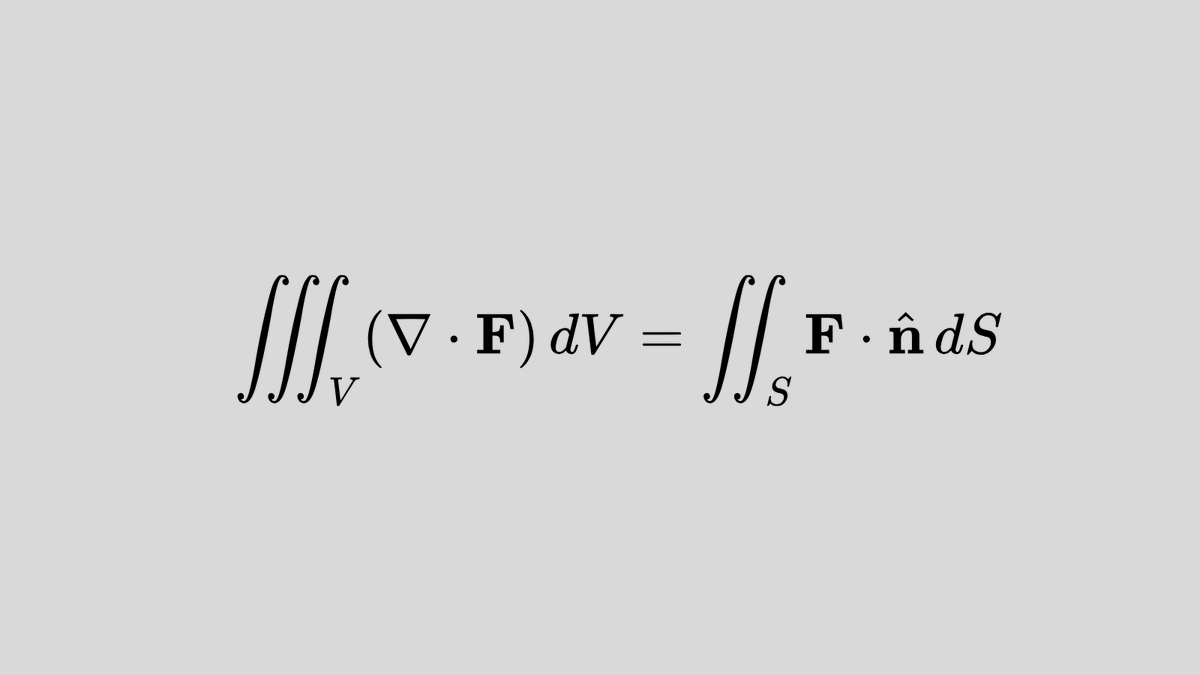
Gauss Divergence Theorem relates the flux of a vector field through an enclosed surface to the divergence of the field within the enclosed volume.
So what does that mean?
Let’s say we have a 3D solid called V, and the surface boundary of it is called S.
Now this solid has a vector field F that is diverging, or flowing out of it.
The left part of the equation is the sum of the divergence of F, which is its volume density throughout the solid.
The right part of the equation is the sum of the flux, which is how much of something flows through a surface.
The total flux across the surface is equal to the total divergence inside the solid — and that’s Gauss Divergence Theorem.
28

Feb 19
First 4 of Pinterest








2
40