
القرآن ما هو مجرد قراءة، هو طمأنينة، نور، وجبر خاطر.
هو حديث بين العبد وربه…
كل آية كأنها رسالة شخصية لك، وكل حرف يُكتب لك به أجر.
ويمكن المشكلة مو في الوقت…
المشكلة إننا ما استشعرنا قيمة اللحظة.
لو ذقنا لذة التدبر، ما صار صعب علينا نجلس عشر دقائق، بل يمكن نشتاق لها
42


#يوم_التأسيس
#يوم_بدينا_1727
#يوم_التأسيس_السعودي
@AzizbagBag
قصة وطنٍ لم يعرف الانحناء…
وُلد في قلب الدرعية،
وأعلن منذ اللحظة الأولى أن المجد عهد،
وأن الدولة رسالة.
عام 1727 لم يكن تاريخًا عابرًا،
بل ميلاد سيادة،
وبداية مسيرةٍ صنعت ثلاثة قرون من الهيبة والثبات.
من جذورٍ ضاربة في الأرض
إلى رايةٍ تلامس عنان السماء
نمضي على خطى أجدادٍ كتبوا التاريخ بالفعل لا بالقول.
نحن أبناء المجد…
إن وعدنا أوفينا
وإن عاهدنا ثبتنا
وإن سرنا سرنا واثقي الخطوة عالي الراية.
🇸🇦💚🇸🇦
✍🏻 شمس الوطن

16


دليل "صوت الجسد": فهم الألم، التشنج، والطريق نحو التعافي
رسالة إلى جسدكِ
الجسد لا يكذب، والألم ليس وهماً. عندما يصرخ الجسد بالألم أثناء الحميمية، فهو لا يحاول إفساد اللحظة، بل يحاول إخبارك بشيء ما. تذكري دائماً: الألم رسالة، وليس قدراً.
'سبحان الخالق' 😏
نفحات رمضانيه.

DYSPAREUNIA (PAINFUL SEX)
LETS TALK ABOUT PAINFUL SEX WITHOUT SHAME BECAUSE SEX IS NOT MEANT TO HURT
IT IS MORE COMMON THAN YOU THINK.
READ. SHARE. REPOST
When Pleasure Hurts: A Woman’s Body Is Speaking, and We Must Listen
There is a story many women carry quietly, and it begins in a bedroom and ends in silence. It is the story of pain where pleasure is expected, and of endurance where joy should live. Dyspareunia is the name medicine gives to painful sex, and yet the experience itself has existed long before we learned to label it. As a gynaecologist, I say this without apology and without whispering: sex is not meant to hurt, and when it does, the body is not being dramatic, it is being honest. According to the guidance of the Royal College of Obstetricians and Gynaecologists(RCOG), painful sex should never be dismissed, because pain is often a message, and messages deserve interpreters, and interpreters deserve time.
Sometimes the pain waits at the doorway of the vagina, like a guard refusing entry, and sometimes it hides deep inside the pelvis, like a secret with sharp edges. Superficial pain may come from dryness, from infections, from conditions of the vulva, and from the quiet hormonal changes of menopause or breastfeeding, when oestrogen slips away like a lover who forgot to say goodbye. Deep pain, however, may whisper the names of heavier things: endometriosis, pelvic infections, fibroids, ovarian cysts, or adhesions, and these are not small matters, even when they are spoken of in small voices.
But the body does not live alone, it shares space with memory and fear and culture. And so pain is not always only physical. Anxiety tightens muscles. Past trauma writes itself into tissue. Relationship stress creeps into nerves. Cultural shame sits heavily on the pelvis. The muscles clench not because they are stubborn, but because they are afraid. This is why silence is dangerous, and why secrecy delays healing. Many women think, This is normal, and so they endure. And endurance becomes habit. And habit becomes harm. Painful sex erodes self-esteem, strains love, dulls desire, and leaves emotional bruises that cannot be seen on a scan, yet they are real, and they are heavy.
It is also important to name things properly, because language shapes understanding. Dyspareunia means intercourse is possible, but painful, often because something medical can be found and treated. Vaginismus, on the other hand, is when the vaginal muscles tighten without permission, when the body says no even if the mind says yes. Dyspareunia says, 'Something hurts.' Vaginismus says, 'I am protecting you.' And sometimes, they walk together, hand in hand, pain and fear, feeding each other.
Care, when it is done well, begins with listening, and continues with gentle examination, and then with tests when needed, and imaging when the pain lives deep.
Treatment may look like lubricants or vaginal oestrogen for dryness, antibiotics for infections, hormonal therapy for endometriosis, physiotherapy for tense pelvic muscles, and counselling when fear or trauma is part of the story. This is not indulgence; it is medicine. This is not weakness; it is wisdom.
So let us say it clearly, and say it loudly, and say it without embarrassment: painful sex is common, and medical, and treatable. You are not broken. You are not abnormal. You are not overreacting. Your body is speaking, and it is speaking in the language of pain, and pain is a language we must learn to understand. Because pleasure should not require suffering, and love should not demand endurance, and silence should never be the price a woman pays for intimacy.

1,344

والله السيتي الحين "عايش اللحظة" وجالس يطقطق بـ برود إنجليزي الحقيقة إن خمسة انتصارات ورا بعض ذي "قوة كاسحة" والواقع إن السيتي الحين بـ قمة الـ 2026 جالس يدور "حلاقة" جديدة لـ هيبته الأكيد إن اللي سواه هالاند والبقية اليوم خلى النادي يرسل رسالة "رعب" لكل الخصوم والزبدة إن الجمهور الحين ميت ضحك وهو يشوف الحساب الرسمي للسيتي "يدلع" لاعبينه بـ فوز تاريخي وقصة شعر تليق بـ الأبطال
213
ن. retweeted

16 Jan 2025
أذكر صليت الضحى ونمت..
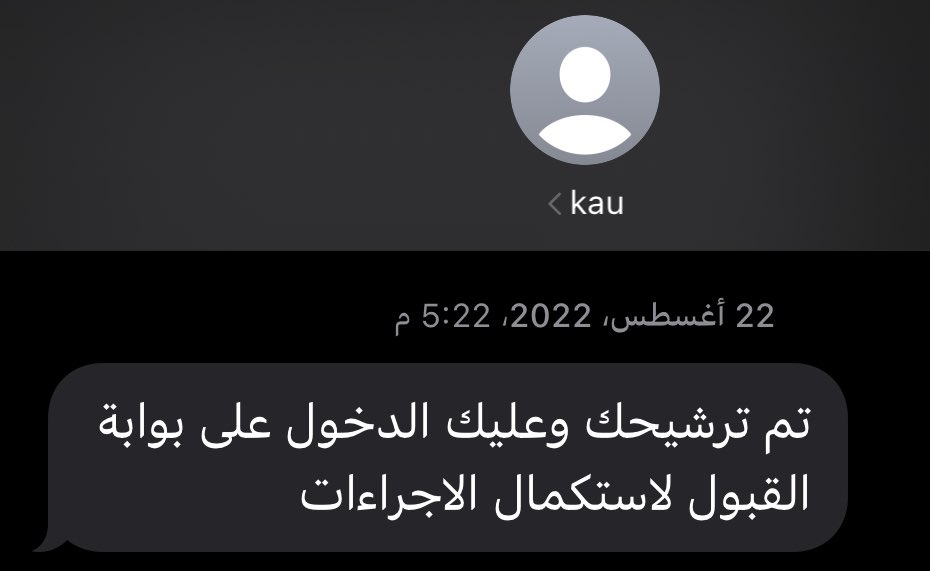
كنت استيقظ من أيّ اشعار ظنًا أنها رسالة القبول، مرّت ساعة..أذكر حينها كنت أتصفح الانستقرام.. وجاءتني الرسالة المنتظرة من KAU.
“تم ترشيحك”
تعجز الكلمات عن وصف شعوري بتلك اللحظة، ولكن حسيت بلطف الله يحيطني بكل جهة.. تذكرت آية ﴿إِنَّ مَعَ العُسرِ يُسرًا﴾
4
5
305
58,698
ابو ملاك الصنعاني retweeted

من التاريخ
🚨🚨اللحظة التي اقتحم فيها فلاديمير بوتين ميدان الرماية العسكري بشكل عشوائي ليترك الجنود والخبراء في حالة ذهول بعدما أصاب أهدافه بدقة متناهية ودون أي عناء، وكأنه يرسل رسالة:
'أنا لا أراقب فقط، أنا أجيد اللعبة'.
2
19
416
52,448
الرفيق مشعل retweeted

صرنا نخاف أن يكتشف الفرح نفسه فينا… فيرحل…
اصبحنا نلمسه خلسة ، نحضنه بصمت…
ليس خوفًا من الفقد…
بل خوفًا أن يضبطنا ونحن نبتسم…
فتختفي اللحظة قبل أن نعرف أننا عشناها.
#رسالة_اليوم
1
16
212
محمد العزعزي retweeted

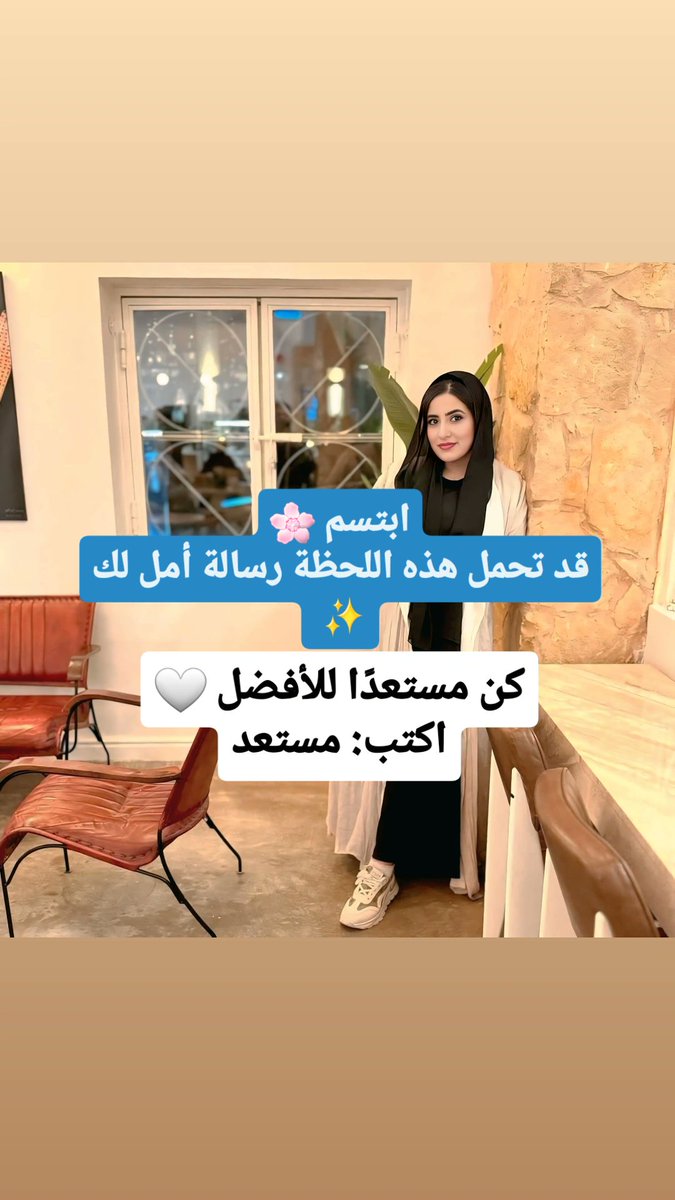
ابتسم 🌸
قد تحمل هذه اللحظة رسالة أمل لك ✨
كن مستعدًا للأفضل 🤍
اكتب: مستعد
@AlamyrhW54469
#رمضان
17
6
22
434
Reen888 retweeted

Feb 21
⚡️🚨توفي الممثل إريك داين اليوم بمرض التصلب الجانبي الضموري .
قام بتسجيل رسالة أخيرة سراً لبناته قبل وفاته وأمر أن تنشر في حال وفاته وقال فيها :
"لقد حاولت. تعثرت أحياناً، لكنني حاولت. عموماً، لقد استمتعنا كثيراً، أليس كذلك؟"
استمتعوا بحياتكم وعيشوا في الحاضر عيشوا اللحظة .
39
26
601
231,116

14h
حسب معرفتي بالسياسة
وقرأتي هي رسالة لفرنسا ولمكرون بالذات لانه لهي اللحظة حاشر انفه بالشأن السوري والداعم الاكبر لقسد الارهابية ولحزب العمال الإرهابي المصنف إرهابي وفرنسا عم تحاول كل جهدها لتثبيت الوصاية على سورية رغم كل محاولتها لتقسيم سورية حتى اموال السوريين مجمدة بفرنسا
1
16

في هذه الأيام، أشعر بأن الشاشة قد فقدت صداها الحقيقي، وكأن كل عمل يُنتج فقط لأجل اللحظة والسرعة، دون روح أو رسالة صادقة. تلاشت الكلمات المعبرة، وضاعت القصص العميقة بين ضجيج الشكل والسطحية. المشاهد يصرخ في داخله ليجد شيئًا يعكس واقعه، شيئًا يلامس قلبه ويفتح له نافذة للتفكير والشعور. لكن كل ما يرى هو نسخة باهتة من حياة لا تشبهه، من مشاكل لم تعد تُناقش بصدق، ومن ضحكات سطحية لا تصل إلى القلب.
أشعر بالحزن حين أرى ممثلًا موهوبًا يمر عبر نص ضعيف وكأنه مجبر على القبول، وأشعر بالغضب حين أرى منتجًا يضع الربح فوق الرسالة، والشاشة تتحول إلى سوق للأعمال السريعة. لكن الأمل لا يموت، فالمسألة ليست مستحيلة. يمكن أن تعود الدراما لتكون قوة ناعمة، يمكن أن يعود الفن ليكون رسالة، يمكن أن يعود المنتج ليؤمن بأهمية الفكر والوعي، ويمكن للفنان أن يتذكر مسؤوليته أمام الجمهور والأمانة الفنية.
أحيانًا، لا تكون الدموع على الشاشة، بل في قلوبنا نحن المشاهدين الذين نريد الفن أن يكون أكثر من مجرد شكل، أكثر من مجرد استهلاك، بل أن يكون انعكاسًا للحياة، صوتًا للضمير، وأملًا لمن فقد الأمل. رحم الله الأعمال القديمة التي حملت رسالة حقيقية وضحكت معنا وعلمتنا وفكرتنا، وعلّمتنا كيف يمكن للدراما أن تكون أكثر من مجرد وقت يمر.
لعل يومًا ما، نجد العمل الذي يستعيد تلك الروح، ويعيد لنا الحب للفن، ويجعل الشاشة الخليجية تتنفس من جديد كما كانت.
121
صور دعوية retweeted

Feb 20
تلك الليلة غيرت مجرى التاريخ: نزل الوحي على محمد في غار حراء بكلمة «اقرأ» فتزلزل قلبه. خديجة طمأنته وورقة ابن نوفل شهد بأنها رسالة سماوية، والقرآن الذي بدأت آياته بتلك اللحظة وصل إلينا منذ ذلك الحين
🕋🌙
#اغرد_لله #الطريق_إلى_الله #داعم_للخير #المجموعة_الدعوية
@R_t_d3wa
4
1
104